The Summer 2026 Sports Calendar: Every Event That Matters

There are summers when the sporting calendar is a schedule, and summers when it becomes a map of places to be. This is the second kind.

What makes 2026 unusual is not any single event but the sheer density of them. Inside roughly thirteen weeks, the world gets a football World Cup, two tennis Grand Slams, golf's US Open and The Open, the championship rounds of both basketball and hockey, the final leg of horse racing's Triple Crown, the 24 Hours of Le Mans, and both grand tours of cycling. Any one of these would headline a normal summer. In 2026 they arrive stacked on top of one another, across three continents and more than a dozen cities, in an unbroken run from early June to the end of August.

A second thread runs underneath the schedule. Much of this summer is staged against the United States' 250th anniversary, and the sports calendar has organized itself around the moment. The World Cup returns to North America for the first time. The MLB All-Star Game lands in Philadelphia, the birthplace of the country, built around the semiquincentennial. NASCAR debuts its first race on an active military base in San Diego, timed to the Navy's 250th. The result is a summer where the biggest events are not just competitions but civic occasions, designed to bring people out and into the same rooms.

The shape of it is easy to read once you see it. June is the ignition, when the championships and majors begin firing in overlapping bursts. July is the crescendo, when the World Cup final, Wimbledon, the All-Star Game, and The Open all land within days of one another. August is the long tail, when the calendar exhales and the action spreads out toward the fall. Below is the complete rundown, organized by month, so you can see how it all fits together and plan where to show up.

June: the ignition

June 3: NBA Finals, Game 1. The New York Knicks face the San Antonio Spurs, tipping off in San Antonio. A study in contrasts: New York treats a Finals run as a civic event, while San Antonio pours an entire city into a single team.

Early June: Stanley Cup Final. The NHL's championship round runs concurrently with the NBA Finals, with Game 1 expected in the same opening week of June and a possible Game 7 no later than June 21. Two North American championship series at once.

June 5 to 7: Monaco Grand Prix. Formula 1's crown jewel winds through the streets of Monte Carlo, with the race on Sunday, June 7. For the first time, it has moved out of its traditional late-May slot, part of a calendar reshuffle built around logistics and sustainability — which lands it squarely in the June rush. The most glamorous weekend in motorsport, where the harbor, the yachts, and the paddock are as much the event as the circuit itself.

June 6 and 7: French Open finals. Roland Garros crowns its champions in Paris, the women's final on June 6 and the men's on June 7. The most ritualized crowd in tennis closes out the clay season.

June 6: Belmont Stakes. The final leg of the Triple Crown runs at Saratoga Race Course for the third and last year before the race returns to a rebuilt Belmont Park. Run at a shortened mile and a quarter to fit Saratoga's main track, it's a closing chapter for the Saratoga era.

June 11: FIFA World Cup kicks off. The largest sporting event ever staged opens in Mexico City with the host nation facing South Africa at Estadio Azteca (renamed Estadio Ciudad de México for the tournament). Hosted across the United States, Canada, and Mexico for the first time, it runs the entire summer, through July 19, with fan festivals and public watch parties in sixteen host cities.

June 13 and 14: 24 Hours of Le Mans. Endurance racing's crown jewel in Le Mans, France, where the story is as much the round-the-clock spectacle and the crowd that stays awake for it as the result.

June 18 to 21: US Open golf. The year's third men's major at Shinnecock Hills in Southampton, New York. Hamptons-adjacent, with its own social and brand layer surrounding the course.

June 19: Juneteenth. A federal holiday landing in the thick of the month, and a cultural anchor for a summer when cities are activated all season.

June 19 to 21: NASCAR San Diego. A brand-new street race at Naval Base Coronado, the first NASCAR event ever held on an active military base, with the Cup feature on June 21. Timed to the Navy's 250th anniversary, built on a three-mile course with the Pacific and the San Diego skyline as backdrop.

June 23 and 24: NBA Draft. The next generation arrives in Brooklyn, increasingly a fashion-and-culture moment as much as a sports one.

June 29: Wimbledon begins. The grass-court major opens at the All England Club in London and runs two weeks. Tennis's most tradition-bound gathering, bridging June into July.

July: the crescendo

July 3 to 5: British Grand Prix. Formula 1's summer centerpiece at Silverstone, the most heavily attended race on the calendar and a cornerstone of the European motorsport summer.

July 4 to 26: Tour de France. Cycling's grand tour begins in Barcelona with a team time trial and winds across three weeks to a finish in Paris. A free, roadside spectator event on a scale nothing else in sport matches.

July 5: NASCAR Chicagoland. The Cup Series returns to the oval in Joliet for the first time since 2019, taking over the July 4 weekend slot.

July 11 and 12: Wimbledon finals. The women's final on July 11, the men's on July 12, closing out the London fortnight.

July 11 to 14: MLB All-Star Week. Baseball's midsummer classic comes to Philadelphia, with the All-Star Game on July 14 at Citizens Bank Park. Staged around America's 250th anniversary, with a four-day fan festival and the Home Run Derby anchoring the week.

July 16 to 19: The Open Championship. Golf's oldest major at Royal Birkdale in Southport, England. Links golf, sea winds, and natural dune amphitheaters for the galleries.

July 19: FIFA World Cup Final. The tournament closes at MetLife Stadium outside New York, the climax of five and a half weeks that turned host cities into venues all summer.

July 19: NASCAR North Wilkesboro. The historic North Carolina short track hosts its first points-paying Cup race since 1996, a nostalgia event for the sport's heartland.

July 26: Brickyard 400. NASCAR at the Indianapolis Motor Speedway, one of the most storied venues in American racing.

August: the long tail

August 1 to 9: Tour de France Femmes. The women's grand tour begins in Switzerland, a week after the men's race ends, and has become one of the fastest-growing properties in cycling.

Early August: NASCAR Iowa. The Cup Series races at Iowa Speedway as the season heads toward its playoff stretch.

August 13: MLB at Field of Dreams. Baseball returns to Dyersville, Iowa, for the cornfield game, airing live on Netflix — a made-for-the-moment event built entirely around atmosphere and place.

Late August: US Open tennis looms. The summer's final Grand Slam opens in New York at the end of the month, carrying the season into early September and closing the live-sport summer where the World Cup final left off.

How to read the summer

Underneath the variety, every one of these events is doing the same thing. They turn a place into a destination for a stretch of days and gather people who want to be there in person. A Parisian tennis crowd, a NASCAR crowd on a naval base, a Philadelphia All-Star week, a roadside Tour de France village. They share almost nothing stylistically, and they are all proof of the same shift, from watching at a distance to showing up in the room.

The best experiences at the world's biggest events are not hidden. This summer they are scattered across the calendar above, in cities on three continents, each one waiting for the people who decide to walk through the door.

The Summer 2026 Sports Calendar: Every Event That Matters

There are summers when the sporting calendar is a schedule, and summers when it becomes a map of places to be. This is the second kind.

What makes 2026 unusual is not any single event but the sheer density of them. Inside roughly thirteen weeks, the world gets a football World Cup, two tennis Grand Slams, golf's US Open and The Open, the championship rounds of both basketball and hockey, the final leg of horse racing's Triple Crown, the 24 Hours of Le Mans, and both grand tours of cycling. Any one of these would headline a normal summer. In 2026 they arrive stacked on top of one another, across three continents and more than a dozen cities, in an unbroken run from early June to the end of August.

A second thread runs underneath the schedule. Much of this summer is staged against the United States' 250th anniversary, and the sports calendar has organized itself around the moment. The World Cup returns to North America for the first time. The MLB All-Star Game lands in Philadelphia, the birthplace of the country, built around the semiquincentennial. NASCAR debuts its first race on an active military base in San Diego, timed to the Navy's 250th. The result is a summer where the biggest events are not just competitions but civic occasions, designed to bring people out and into the same rooms.

The shape of it is easy to read once you see it. June is the ignition, when the championships and majors begin firing in overlapping bursts. July is the crescendo, when the World Cup final, Wimbledon, the All-Star Game, and The Open all land within days of one another. August is the long tail, when the calendar exhales and the action spreads out toward the fall. Below is the complete rundown, organized by month, so you can see how it all fits together and plan where to show up.

June: the ignition

June 3: NBA Finals, Game 1. The New York Knicks face the San Antonio Spurs, tipping off in San Antonio. A study in contrasts: New York treats a Finals run as a civic event, while San Antonio pours an entire city into a single team.

Early June: Stanley Cup Final. The NHL's championship round runs concurrently with the NBA Finals, with Game 1 expected in the same opening week of June and a possible Game 7 no later than June 21. Two North American championship series at once.

June 5 to 7: Monaco Grand Prix. Formula 1's crown jewel winds through the streets of Monte Carlo, with the race on Sunday, June 7. For the first time, it has moved out of its traditional late-May slot, part of a calendar reshuffle built around logistics and sustainability — which lands it squarely in the June rush. The most glamorous weekend in motorsport, where the harbor, the yachts, and the paddock are as much the event as the circuit itself.

June 6 and 7: French Open finals. Roland Garros crowns its champions in Paris, the women's final on June 6 and the men's on June 7. The most ritualized crowd in tennis closes out the clay season.

June 6: Belmont Stakes. The final leg of the Triple Crown runs at Saratoga Race Course for the third and last year before the race returns to a rebuilt Belmont Park. Run at a shortened mile and a quarter to fit Saratoga's main track, it's a closing chapter for the Saratoga era.

June 11: FIFA World Cup kicks off. The largest sporting event ever staged opens in Mexico City with the host nation facing South Africa at Estadio Azteca (renamed Estadio Ciudad de México for the tournament). Hosted across the United States, Canada, and Mexico for the first time, it runs the entire summer, through July 19, with fan festivals and public watch parties in sixteen host cities.

June 13 and 14: 24 Hours of Le Mans. Endurance racing's crown jewel in Le Mans, France, where the story is as much the round-the-clock spectacle and the crowd that stays awake for it as the result.

June 18 to 21: US Open golf. The year's third men's major at Shinnecock Hills in Southampton, New York. Hamptons-adjacent, with its own social and brand layer surrounding the course.

June 19: Juneteenth. A federal holiday landing in the thick of the month, and a cultural anchor for a summer when cities are activated all season.

June 19 to 21: NASCAR San Diego. A brand-new street race at Naval Base Coronado, the first NASCAR event ever held on an active military base, with the Cup feature on June 21. Timed to the Navy's 250th anniversary, built on a three-mile course with the Pacific and the San Diego skyline as backdrop.

June 23 and 24: NBA Draft. The next generation arrives in Brooklyn, increasingly a fashion-and-culture moment as much as a sports one.

June 29: Wimbledon begins. The grass-court major opens at the All England Club in London and runs two weeks. Tennis's most tradition-bound gathering, bridging June into July.

July: the crescendo

July 3 to 5: British Grand Prix. Formula 1's summer centerpiece at Silverstone, the most heavily attended race on the calendar and a cornerstone of the European motorsport summer.

July 4 to 26: Tour de France. Cycling's grand tour begins in Barcelona with a team time trial and winds across three weeks to a finish in Paris. A free, roadside spectator event on a scale nothing else in sport matches.

July 5: NASCAR Chicagoland. The Cup Series returns to the oval in Joliet for the first time since 2019, taking over the July 4 weekend slot.

July 11 and 12: Wimbledon finals. The women's final on July 11, the men's on July 12, closing out the London fortnight.

July 11 to 14: MLB All-Star Week. Baseball's midsummer classic comes to Philadelphia, with the All-Star Game on July 14 at Citizens Bank Park. Staged around America's 250th anniversary, with a four-day fan festival and the Home Run Derby anchoring the week.

July 16 to 19: The Open Championship. Golf's oldest major at Royal Birkdale in Southport, England. Links golf, sea winds, and natural dune amphitheaters for the galleries.

July 19: FIFA World Cup Final. The tournament closes at MetLife Stadium outside New York, the climax of five and a half weeks that turned host cities into venues all summer.

July 19: NASCAR North Wilkesboro. The historic North Carolina short track hosts its first points-paying Cup race since 1996, a nostalgia event for the sport's heartland.

July 26: Brickyard 400. NASCAR at the Indianapolis Motor Speedway, one of the most storied venues in American racing.

August: the long tail

August 1 to 9: Tour de France Femmes. The women's grand tour begins in Switzerland, a week after the men's race ends, and has become one of the fastest-growing properties in cycling.

Early August: NASCAR Iowa. The Cup Series races at Iowa Speedway as the season heads toward its playoff stretch.

August 13: MLB at Field of Dreams. Baseball returns to Dyersville, Iowa, for the cornfield game, airing live on Netflix — a made-for-the-moment event built entirely around atmosphere and place.

Late August: US Open tennis looms. The summer's final Grand Slam opens in New York at the end of the month, carrying the season into early September and closing the live-sport summer where the World Cup final left off.

How to read the summer

Underneath the variety, every one of these events is doing the same thing. They turn a place into a destination for a stretch of days and gather people who want to be there in person. A Parisian tennis crowd, a NASCAR crowd on a naval base, a Philadelphia All-Star week, a roadside Tour de France village. They share almost nothing stylistically, and they are all proof of the same shift, from watching at a distance to showing up in the room.

The best experiences at the world's biggest events are not hidden. This summer they are scattered across the calendar above, in cities on three continents, each one waiting for the people who decide to walk through the door.

Why Conferences Became a Cultural Vertical

The traditional view of the industry conference is that it is a trade event. People gather to learn about the latest developments in their field. Vendors set up booths. Speakers give talks. Attendees collect business cards and return home. That view has been outdated for years. The modern industry conference is a cultural fixture, a brand-activation environment, a hospitality economy, and a recurring moment that gathers hundreds of thousands of professionals in a single city for a week of programming that shapes industries, markets, and cultural conversations far beyond the room itself. According to the Consumer Technology Association's independently audited figures, CES 2026 drew 148,392 attendees from 141 countries, a 4 percent year-over-year increase and the largest post-pandemic edition. RSAC 2025 drew nearly 44,000 attendees, with 730 speakers and 650 exhibitors. 

The conferences that anchor the global calendar 

Six conferences anchor the global cultural and industry calendar. Davos opens the year in mid-January, when the World Economic Forum gathers heads of state, CEOs, and global thought leaders for a week that frames much of the year's political and economic conversation. CES runs in early January in Las Vegas, where the consumer technology industry releases the year's product roadmap. RSAC, in late April in San Francisco, brings the global cybersecurity industry together. SXSW in mid-March in Austin combines technology, film, music, and culture. Cannes Lions, in mid-June on the French Riviera, gathers the global advertising, creative, and creator economy. Black Hat in early August in Las Vegas is the technical anchor of the cybersecurity calendar. 

Each of these conferences has its own discipline-specific audience and internal economics. What they share is the way the cultural calendar around them has evolved. The actual programming inside the conference halls represents perhaps half of what each event has become. The other half is the activation calendar, the hospitality programming, the customer dinners, the brand house takeovers, the celebrity attendance, and the broader cultural footprint each event leaves on its host city. The combined audience that travels to these conferences is among the most affluent, professionally influential, and brand-engaged anywhere. 

The brand activation maturation 

Brands that historically activated at the Super Bowl, the Met Gala, or fashion week have, over the last five years, built parallel activation programs around the major industry conferences. Apple, Google, Microsoft, Meta, and Amazon each operate sophisticated brand presences across CES, Cannes Lions, and SXSW. Spirit brands, including LVMH, Diageo, and Pernod Ricard, host major hospitality programs. Automotive brands have built showcase activations across CES and SXSW. The economics of activation favor brands that build sustained relationships over multiple years rather than those that

activate once and disappear. The activations that have worked best, from Salesforce at Dreamforce to LinkedIn at Cannes Lions to Google at CES, have committed to a multi-year presence and treated the conferences as ongoing platforms. 

The hospitality economy 

CES alone moves Las Vegas hotel inventory at a scale the city builds around. The Wynn, the Bellagio, the Aria, and the Cosmopolitan operate at full capacity. Restaurants from Joël Robuchon to Carbone to Catch run at full capacity. Private dining rooms across the city are reserved months in advance for vendor-hosted dinners, customer events, and analyst briefings. San Francisco during RSAC, Austin during SXSW, Cannes during Cannes Lions, and Davos during the World Economic Forum all see their hospitality economies reorganize around the event. For the host cities, the conferences represent a meaningful share of annual tourism revenue and a much larger share of the high-yield business travel category that drives premium hotel and restaurant demand. 

Why does the audience keep showing up 

The reasons audiences travel to conferences have continued to grow despite the rise of remote work. They come down to what conferences offer that screens cannot. The first is access. The senior executives, the thought leaders, the founders, the journalists, the investors, and the cultural figures who anchor each industry are physically in the room for the week. The second is serendipity. The conversations in the hallway, the introductions over dinner, the deals discussed on rooftop terraces, all happen because the audience is concentrated in one place at one time. The third is identity. The CISO who skips RSAC, the entertainment executive who skips Sundance, the advertising creative who skips Cannes Lions, all signal something about their relationship to their craft. The conference has become an identity marker as much as an information-gathering activity. 


Jun 1, 2026

4 min read

Confrence

Ultra Music Festival and the Miami Music Week Ecosystem

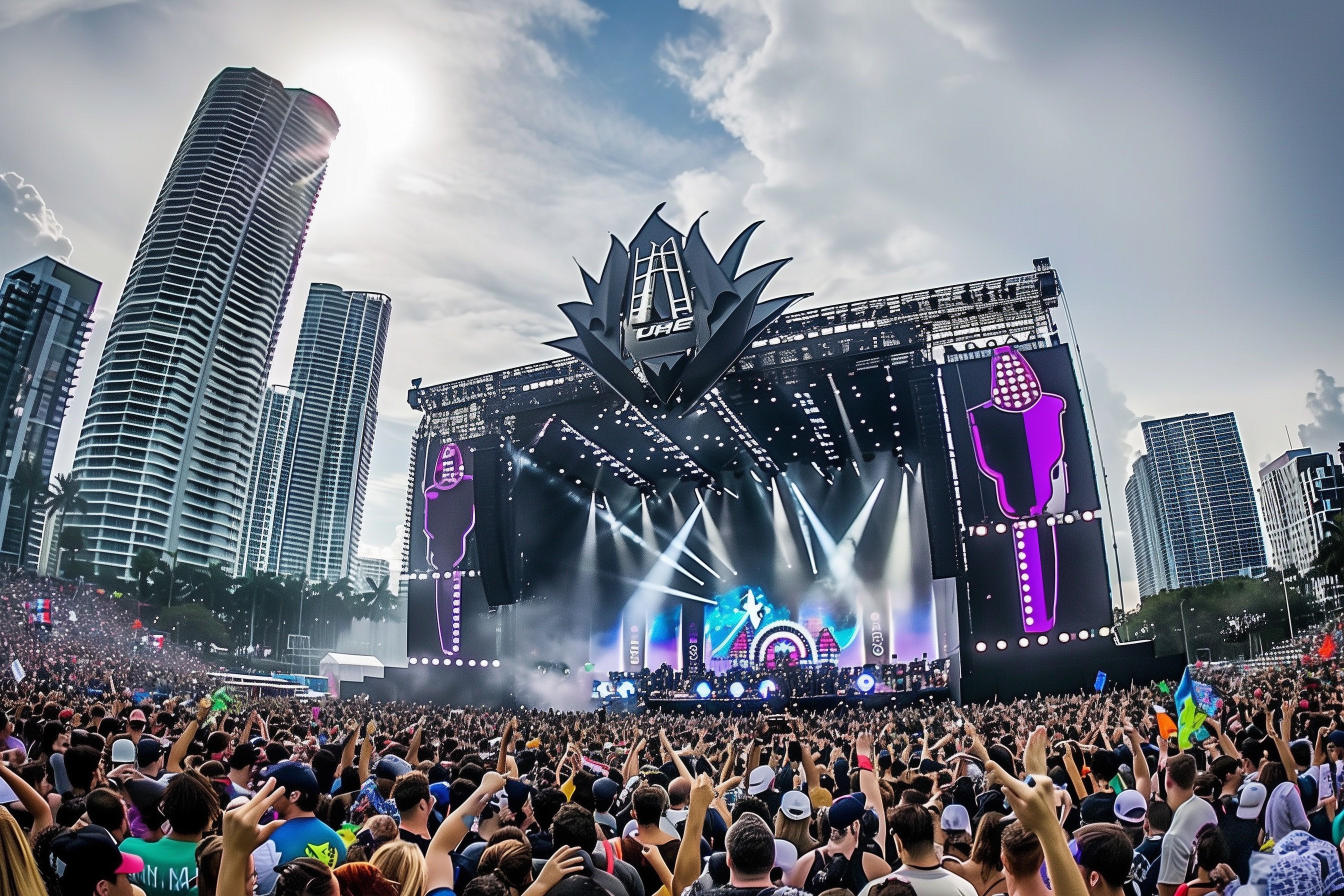
Ultra Music Festival 2026 ran March 27 through 29 at Bayfront Park in downtown Miami, marking the festival's 26th edition. According to the festival, the 2026 lineup featured headliners including Major Lazer, Alesso back-to-back with Martin Garrix, Swedish House Mafia (with Sebastian Ingrosso and Steve Angello originally announced as a back-to-back set that culminated in a full SHM reunion when Axwell joined them onstage), Armin van Buuren, Hardwell, John Summit, DJ Snake, Eric Prydz, Carl Cox, Excision, and ILLENIUM across seven stages. Ultra was voted the second-best festival globally in DJ Mag's Top 100 Festivals poll for 2025. The 27th edition will run March 26 through 28, 2027, at the same venue.

The week the festival anchors

Ultra is the closing weekend of Miami Music Week, the seven-day run of pool parties, label showcases, warehouse events, rooftop sets, and brand activations that takes over Miami every March. The dance music industry descends on the city for the week to network, host events, sign artists, broker deals, and party at a scale that no other electronic music gathering matches. Major labels and management companies host their annual showcases. Streaming platforms run their key artist events. Brand partners activate at the hotels along Collins Avenue and the venues across downtown. By the time Ultra opens its gates on Friday, the city has already been running at full intensity for several days.

The festival itself functions as both the cultural peak of the week and its commercial culmination. The headliner sets at Ultra are the most-watched single performances in dance music each year, with the YouTube livestreams of the main stage drawing viewership that rivals the festival's actual attendance. The new music premiered at Ultra often defines the dance music summer that follows, with tracks debuted at Bayfront Park becoming the dominant sounds at Ibiza, Tomorrowland, and the broader European festival circuit through the rest of the year.

The genre coverage

Ultra spans the full range of contemporary electronic music. The Main Stage hosts the festival's biggest names in mainstream and progressive house, future bass, and pop-adjacent dance music. The RESISTANCE Megastructure is the underground techno home of the festival, and the 2026 edition brought Carl Cox, Adam Beyer, Joseph Capriati, and Sasha back-to-back with John Digweed, and Amelie Lens back-to-back with Sara Landry to that stage. The Worldwide Stage runs trance programming led by Armin van Buuren's A State of Trance. The UMF Radio Stage covers emerging artists and label showcases. The Live Stage features acts that perform with live instrumentation alongside electronic production. The Mega Stage handles bass music, dubstep, and high-energy electronic.

The 2026 edition featured 46 debut Ultra performances, with the festival explicitly framing the year as one of the most adventurous in its history. The back-to-back (B2B) collaboration format, where two major artists share a single set, has become an Ultra signature, with the Alesso and Martin Garrix pairing on the Main Stage representing exactly the kind of one-time-only event that the festival has built its programming identity around.

Why the festival matters culturally

Miami in March is the densest music industry week anywhere in the world. The combination of Ultra at the end and the parallel programming throughout the week produces a density of professional activity, audience engagement, and cultural moment-making that very few annual events anywhere can match. The Latin American audience, which has historically viewed Miami as a gateway city, gives Ultra a continental scope that European and American electronic festivals do not have to the same extent. The Brazilian, Argentine, and Chilean electronic music communities, as well as the broader Latin American electronic music community, travel in large numbers for the week.

For Miami, Ultra and Miami Music Week are among the largest single drivers of international tourism and hospitality revenue on the annual calendar. Hotels along Collins Avenue, in Brickell, and in downtown Miami are at full occupancy. The hospitality, food, and beverage economy across the city handles the largest international audience moment of the spring.

The economy of the festival

Ultra has become one of the most commercially significant electronic music brands globally. The Worldwide Ultra portfolio includes editions in Singapore, Korea, Japan, Croatia, South Africa, Australia, and additional markets, with the brand also expanding into New Zealand for the first time in 2026. The combined economic impact of the Ultra portfolio places it among the world's largest electronic music festival operators, alongside Tomorrowland and EDC. The Miami flagship remains the brand's cultural and commercial center, and the March weekend at Bayfront Park continues to set the annual rhythm for dance music globally.

The brand activation calendar around Ultra and Miami Music Week is the densest in dance music. Streetwear brands, energy drink companies, alcohol brands, technology platforms, and the broader lifestyle economy surrounding electronic music all activate during the week. The hotels along Brickell, downtown Miami, and Miami Beach host brand-rented residency programs, sponsored pool parties, label takeovers, and content production environments. The audience is young, internationally distributed, digitally native, and brand-engaged in ways that the traditional music industry audience often is not. The activations that succeed at Ultra tend to be the ones that respect the underlying culture of electronic music rather than treating it as a generic festival environment.

Jun 1, 2026

4 min read

Miami Music Week

Every June, Fifty Thousand People Disappear Into a Michigan Forest

Electric Forest 2026 runs June 25 through 28 at Double JJ Resort in Rothbury, Michigan. The event regularly draws between 40,000 and 50,000 attendees, and the 2026 edition is the 14th Electric Forest. The 2026 lineup is led by GRiZ, ILLENIUM, Chris Lake, Kaskade, Excision, Galantis, Madeon, and The String Cheese Incident across four days, with more than 100 additional artists including Disco Lines, ISOxo, Lane 8, Andy C, Sammy Virji, Channel Tres, Passion Pit, Purple Disco Machine, Shpongle (Simon Posford Live), and a first-of-its-kind back-to-back bass collaboration between DJ Diesel (Shaquille O'Neal) and T-Pain. The festival is produced by Insomniac Events and Madison House Presents.

The setting is the festival.

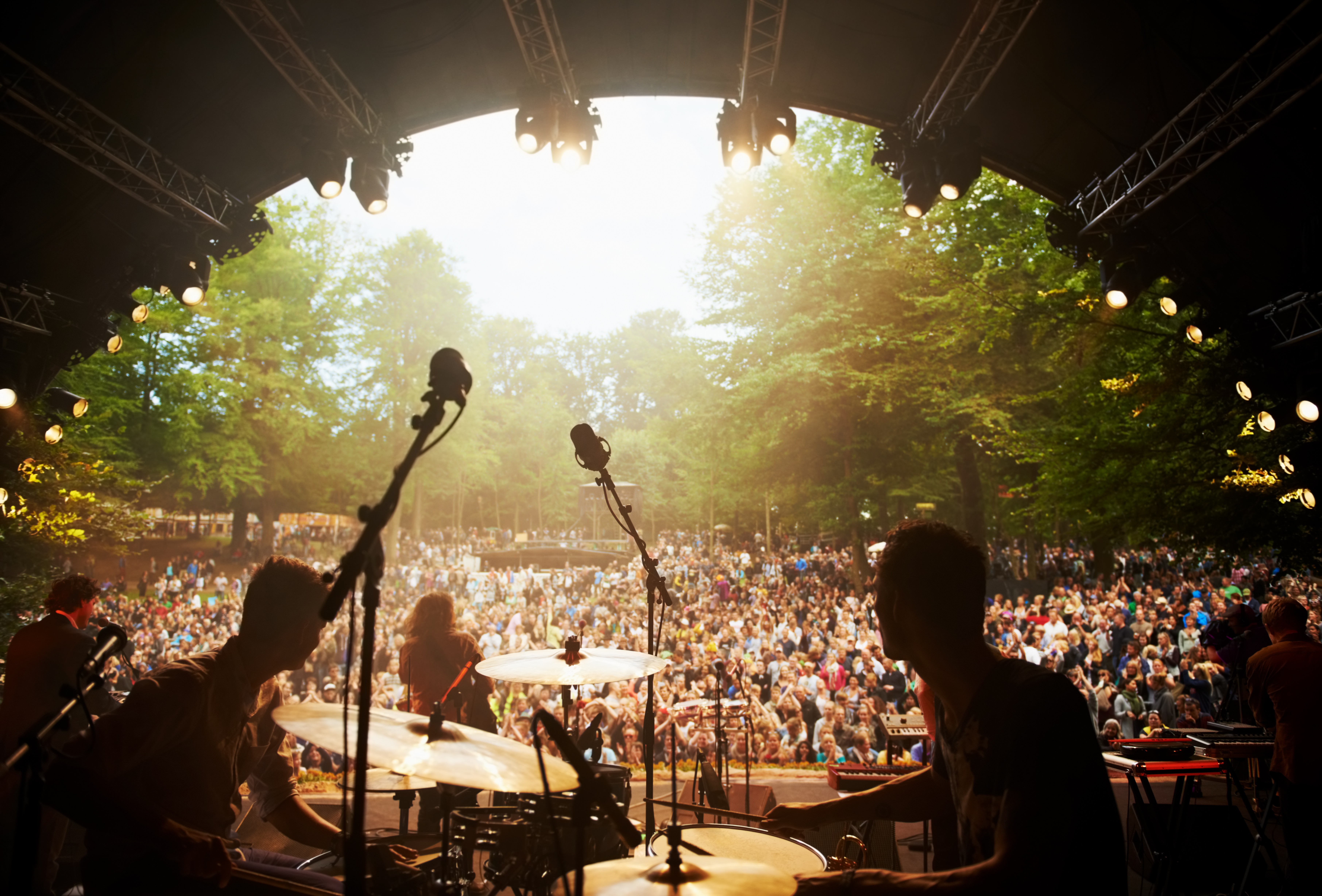
Electric Forest takes place inside an actual forest. The Sherwood Forest section of Double JJ Resort, with its mature trees, winding paths, hidden art installations, and stages tucked deep into the woods, has become the festival's defining environment. After dark, the trees are illuminated with elaborate lighting installations, lasers project through the canopy, and the entire forested area transforms into an immersive light-and-sound environment that functions as much as a visual art experience as a music festival. The contrast with the open polo field at Coachella, the urban downtown at Ultra, or the stadium environment at Rolling Loud is the entire point.

The audience that travels to Rothbury is choosing the experience over the lineup. The festival's draw is not the headliner roster (though the headliners are strong). The draw is the four days in the forest, the camping community, the secret sets in hidden parts of Sherwood, the surprise collaborations between artists that only happen at Electric Forest, the silent disco, the workshops, and the brain-melting late-night programming that the festival's producers have refined over more than a decade. The “Forest Family” identity that the festival cultivates is genuine. The audience returns year after year. The attachment to the place itself is part of why.

The lineup philosophy

The 2026 lineup reflects the festival's genre-spanning approach. GRiZ, the Michigan-raised producer who has anchored Electric Forest with appearances across many editions, headlines twice, including his Chasing The Golden Hour set that has become a Forest tradition. ILLENIUM brings melodic dubstep at scale. Chris Lake and Kaskade represent two generations of house music. Excision anchors the bass music programming. Galantis and Madeon bring different flavors of melodic festival energy. The String Cheese Incident, the Colorado jam band that has performed at Electric Forest since the festival's earliest editions, will play multiple sets, including a special Shebongle Shebang collaboration with Shpongle.

The depth of the lineup beyond the headliners is what sets Electric Forest apart from its competitors. Andy C, the British drum and bass legend, brings the UK bass scene to a US festival in a way that is still rare on American posters. Sammy Virji and the broader UK garage and bass community are well represented. The bass music section includes Kai Wachi, Sullivan King, Wooli, Ganja White Night, Ravenscoon, and LSDREAM presenting Lightcode. The house programming includes Lane 8, Eli Brown, Odd Mob, OMNOM, Sidepiece, Wax Motif, and Disco Lines. The jam, indie, and crossover programming covers Daniel Donato's Cosmic Country, Dogs In A Pile, Eggy, and Passion Pit.

Why has the festival lasted

Electric Forest launched in 2011 as an extension of the earlier Rothbury Music Festival (2008-2009) and has now run for fourteen editions, with a hiatus in 2020 and 2021 during the pandemic. The longevity is unusual in the festival industry, where many comparable events have folded or been absorbed into larger touring brands. The reasons for the festival's durability come down to the consistency of the experience, the loyalty of the audience, the cultural distinctiveness of the setting, and the producers' willingness to keep the festival at a scale that preserves the experience rather than pushing for maximum growth.

For Rothbury and the surrounding Oceana County region of Michigan, the festival is the single largest annual cultural event by a substantial margin. The economic impact on the local hospitality and tourism economy is among the most significant external revenue sources of the year. For the broader American electronic music economy, Electric Forest represents the festival format that proves the most durable cultural fixtures are not built around the largest lineups or the most extravagant production budgets. They are built around environments and communities that audiences choose to return to. The forest in late June is, by that measure, among the most successful festival environments in the country.

The community as the institution

The audience itself has become part of what Electric Forest is. The camping villages, the elaborate camp builds that returning attendees create year over year, the costume and art traditions that have grown up around the festival, the friendships and relationships formed in the forest, and the broader culture of mutual aid and creative expression that defines the audience experience all contribute to a festival environment that operates differently from any commercial mass-market event. The “Forest Family” framing used in the festival's marketing is genuinely descriptive of how a substantial share of the audience experiences the event.

For brands considering activation at Electric Forest, the cultural environment requires a different approach than the brand programming that works at urban festivals. The audience is suspicious of overt commercial presence. The activations that have worked at Forest have tended to be the ones that integrate into the experience rather than impose themselves on it, with sustainable design, craft, and workshop programming, wellness offerings, and community-oriented activations performing better than traditional brand showcases. The festival itself has positioned environmental and sustainability values as central to its identity, a commitment that extends to the kinds of brand partnerships it accepts.

Jun 1, 2026

5 min read

Why Conferences Became a Cultural Vertical

The traditional view of the industry conference is that it is a trade event. People gather to learn about the latest developments in their field. Vendors set up booths. Speakers give talks. Attendees collect business cards and return home. That view has been outdated for years. The modern industry conference is a cultural fixture, a brand-activation environment, a hospitality economy, and a recurring moment that gathers hundreds of thousands of professionals in a single city for a week of programming that shapes industries, markets, and cultural conversations far beyond the room itself. According to the Consumer Technology Association's independently audited figures, CES 2026 drew 148,392 attendees from 141 countries, a 4 percent year-over-year increase and the largest post-pandemic edition. RSAC 2025 drew nearly 44,000 attendees, with 730 speakers and 650 exhibitors. 

The conferences that anchor the global calendar 

Six conferences anchor the global cultural and industry calendar. Davos opens the year in mid-January, when the World Economic Forum gathers heads of state, CEOs, and global thought leaders for a week that frames much of the year's political and economic conversation. CES runs in early January in Las Vegas, where the consumer technology industry releases the year's product roadmap. RSAC, in late April in San Francisco, brings the global cybersecurity industry together. SXSW in mid-March in Austin combines technology, film, music, and culture. Cannes Lions, in mid-June on the French Riviera, gathers the global advertising, creative, and creator economy. Black Hat in early August in Las Vegas is the technical anchor of the cybersecurity calendar. 

Each of these conferences has its own discipline-specific audience and internal economics. What they share is the way the cultural calendar around them has evolved. The actual programming inside the conference halls represents perhaps half of what each event has become. The other half is the activation calendar, the hospitality programming, the customer dinners, the brand house takeovers, the celebrity attendance, and the broader cultural footprint each event leaves on its host city. The combined audience that travels to these conferences is among the most affluent, professionally influential, and brand-engaged anywhere. 

The brand activation maturation 

Brands that historically activated at the Super Bowl, the Met Gala, or fashion week have, over the last five years, built parallel activation programs around the major industry conferences. Apple, Google, Microsoft, Meta, and Amazon each operate sophisticated brand presences across CES, Cannes Lions, and SXSW. Spirit brands, including LVMH, Diageo, and Pernod Ricard, host major hospitality programs. Automotive brands have built showcase activations across CES and SXSW. The economics of activation favor brands that build sustained relationships over multiple years rather than those that

activate once and disappear. The activations that have worked best, from Salesforce at Dreamforce to LinkedIn at Cannes Lions to Google at CES, have committed to a multi-year presence and treated the conferences as ongoing platforms. 

The hospitality economy 

CES alone moves Las Vegas hotel inventory at a scale the city builds around. The Wynn, the Bellagio, the Aria, and the Cosmopolitan operate at full capacity. Restaurants from Joël Robuchon to Carbone to Catch run at full capacity. Private dining rooms across the city are reserved months in advance for vendor-hosted dinners, customer events, and analyst briefings. San Francisco during RSAC, Austin during SXSW, Cannes during Cannes Lions, and Davos during the World Economic Forum all see their hospitality economies reorganize around the event. For the host cities, the conferences represent a meaningful share of annual tourism revenue and a much larger share of the high-yield business travel category that drives premium hotel and restaurant demand. 

Why does the audience keep showing up 

The reasons audiences travel to conferences have continued to grow despite the rise of remote work. They come down to what conferences offer that screens cannot. The first is access. The senior executives, the thought leaders, the founders, the journalists, the investors, and the cultural figures who anchor each industry are physically in the room for the week. The second is serendipity. The conversations in the hallway, the introductions over dinner, the deals discussed on rooftop terraces, all happen because the audience is concentrated in one place at one time. The third is identity. The CISO who skips RSAC, the entertainment executive who skips Sundance, the advertising creative who skips Cannes Lions, all signal something about their relationship to their craft. The conference has become an identity marker as much as an information-gathering activity. 


Confrence

Ultra Music Festival and the Miami Music Week Ecosystem

Ultra Music Festival 2026 ran March 27 through 29 at Bayfront Park in downtown Miami, marking the festival's 26th edition. According to the festival, the 2026 lineup featured headliners including Major Lazer, Alesso back-to-back with Martin Garrix, Swedish House Mafia (with Sebastian Ingrosso and Steve Angello originally announced as a back-to-back set that culminated in a full SHM reunion when Axwell joined them onstage), Armin van Buuren, Hardwell, John Summit, DJ Snake, Eric Prydz, Carl Cox, Excision, and ILLENIUM across seven stages. Ultra was voted the second-best festival globally in DJ Mag's Top 100 Festivals poll for 2025. The 27th edition will run March 26 through 28, 2027, at the same venue.

The week the festival anchors

Ultra is the closing weekend of Miami Music Week, the seven-day run of pool parties, label showcases, warehouse events, rooftop sets, and brand activations that takes over Miami every March. The dance music industry descends on the city for the week to network, host events, sign artists, broker deals, and party at a scale that no other electronic music gathering matches. Major labels and management companies host their annual showcases. Streaming platforms run their key artist events. Brand partners activate at the hotels along Collins Avenue and the venues across downtown. By the time Ultra opens its gates on Friday, the city has already been running at full intensity for several days.

The festival itself functions as both the cultural peak of the week and its commercial culmination. The headliner sets at Ultra are the most-watched single performances in dance music each year, with the YouTube livestreams of the main stage drawing viewership that rivals the festival's actual attendance. The new music premiered at Ultra often defines the dance music summer that follows, with tracks debuted at Bayfront Park becoming the dominant sounds at Ibiza, Tomorrowland, and the broader European festival circuit through the rest of the year.

The genre coverage

Ultra spans the full range of contemporary electronic music. The Main Stage hosts the festival's biggest names in mainstream and progressive house, future bass, and pop-adjacent dance music. The RESISTANCE Megastructure is the underground techno home of the festival, and the 2026 edition brought Carl Cox, Adam Beyer, Joseph Capriati, and Sasha back-to-back with John Digweed, and Amelie Lens back-to-back with Sara Landry to that stage. The Worldwide Stage runs trance programming led by Armin van Buuren's A State of Trance. The UMF Radio Stage covers emerging artists and label showcases. The Live Stage features acts that perform with live instrumentation alongside electronic production. The Mega Stage handles bass music, dubstep, and high-energy electronic.

The 2026 edition featured 46 debut Ultra performances, with the festival explicitly framing the year as one of the most adventurous in its history. The back-to-back (B2B) collaboration format, where two major artists share a single set, has become an Ultra signature, with the Alesso and Martin Garrix pairing on the Main Stage representing exactly the kind of one-time-only event that the festival has built its programming identity around.

Why the festival matters culturally

Miami in March is the densest music industry week anywhere in the world. The combination of Ultra at the end and the parallel programming throughout the week produces a density of professional activity, audience engagement, and cultural moment-making that very few annual events anywhere can match. The Latin American audience, which has historically viewed Miami as a gateway city, gives Ultra a continental scope that European and American electronic festivals do not have to the same extent. The Brazilian, Argentine, and Chilean electronic music communities, as well as the broader Latin American electronic music community, travel in large numbers for the week.

For Miami, Ultra and Miami Music Week are among the largest single drivers of international tourism and hospitality revenue on the annual calendar. Hotels along Collins Avenue, in Brickell, and in downtown Miami are at full occupancy. The hospitality, food, and beverage economy across the city handles the largest international audience moment of the spring.

The economy of the festival

Ultra has become one of the most commercially significant electronic music brands globally. The Worldwide Ultra portfolio includes editions in Singapore, Korea, Japan, Croatia, South Africa, Australia, and additional markets, with the brand also expanding into New Zealand for the first time in 2026. The combined economic impact of the Ultra portfolio places it among the world's largest electronic music festival operators, alongside Tomorrowland and EDC. The Miami flagship remains the brand's cultural and commercial center, and the March weekend at Bayfront Park continues to set the annual rhythm for dance music globally.

The brand activation calendar around Ultra and Miami Music Week is the densest in dance music. Streetwear brands, energy drink companies, alcohol brands, technology platforms, and the broader lifestyle economy surrounding electronic music all activate during the week. The hotels along Brickell, downtown Miami, and Miami Beach host brand-rented residency programs, sponsored pool parties, label takeovers, and content production environments. The audience is young, internationally distributed, digitally native, and brand-engaged in ways that the traditional music industry audience often is not. The activations that succeed at Ultra tend to be the ones that respect the underlying culture of electronic music rather than treating it as a generic festival environment.

Miami Music Week

Every June, Fifty Thousand People Disappear Into a Michigan Forest

Electric Forest 2026 runs June 25 through 28 at Double JJ Resort in Rothbury, Michigan. The event regularly draws between 40,000 and 50,000 attendees, and the 2026 edition is the 14th Electric Forest. The 2026 lineup is led by GRiZ, ILLENIUM, Chris Lake, Kaskade, Excision, Galantis, Madeon, and The String Cheese Incident across four days, with more than 100 additional artists including Disco Lines, ISOxo, Lane 8, Andy C, Sammy Virji, Channel Tres, Passion Pit, Purple Disco Machine, Shpongle (Simon Posford Live), and a first-of-its-kind back-to-back bass collaboration between DJ Diesel (Shaquille O'Neal) and T-Pain. The festival is produced by Insomniac Events and Madison House Presents.

The setting is the festival.

Electric Forest takes place inside an actual forest. The Sherwood Forest section of Double JJ Resort, with its mature trees, winding paths, hidden art installations, and stages tucked deep into the woods, has become the festival's defining environment. After dark, the trees are illuminated with elaborate lighting installations, lasers project through the canopy, and the entire forested area transforms into an immersive light-and-sound environment that functions as much as a visual art experience as a music festival. The contrast with the open polo field at Coachella, the urban downtown at Ultra, or the stadium environment at Rolling Loud is the entire point.

The audience that travels to Rothbury is choosing the experience over the lineup. The festival's draw is not the headliner roster (though the headliners are strong). The draw is the four days in the forest, the camping community, the secret sets in hidden parts of Sherwood, the surprise collaborations between artists that only happen at Electric Forest, the silent disco, the workshops, and the brain-melting late-night programming that the festival's producers have refined over more than a decade. The “Forest Family” identity that the festival cultivates is genuine. The audience returns year after year. The attachment to the place itself is part of why.

The lineup philosophy

The 2026 lineup reflects the festival's genre-spanning approach. GRiZ, the Michigan-raised producer who has anchored Electric Forest with appearances across many editions, headlines twice, including his Chasing The Golden Hour set that has become a Forest tradition. ILLENIUM brings melodic dubstep at scale. Chris Lake and Kaskade represent two generations of house music. Excision anchors the bass music programming. Galantis and Madeon bring different flavors of melodic festival energy. The String Cheese Incident, the Colorado jam band that has performed at Electric Forest since the festival's earliest editions, will play multiple sets, including a special Shebongle Shebang collaboration with Shpongle.

The depth of the lineup beyond the headliners is what sets Electric Forest apart from its competitors. Andy C, the British drum and bass legend, brings the UK bass scene to a US festival in a way that is still rare on American posters. Sammy Virji and the broader UK garage and bass community are well represented. The bass music section includes Kai Wachi, Sullivan King, Wooli, Ganja White Night, Ravenscoon, and LSDREAM presenting Lightcode. The house programming includes Lane 8, Eli Brown, Odd Mob, OMNOM, Sidepiece, Wax Motif, and Disco Lines. The jam, indie, and crossover programming covers Daniel Donato's Cosmic Country, Dogs In A Pile, Eggy, and Passion Pit.

Why has the festival lasted

Electric Forest launched in 2011 as an extension of the earlier Rothbury Music Festival (2008-2009) and has now run for fourteen editions, with a hiatus in 2020 and 2021 during the pandemic. The longevity is unusual in the festival industry, where many comparable events have folded or been absorbed into larger touring brands. The reasons for the festival's durability come down to the consistency of the experience, the loyalty of the audience, the cultural distinctiveness of the setting, and the producers' willingness to keep the festival at a scale that preserves the experience rather than pushing for maximum growth.

For Rothbury and the surrounding Oceana County region of Michigan, the festival is the single largest annual cultural event by a substantial margin. The economic impact on the local hospitality and tourism economy is among the most significant external revenue sources of the year. For the broader American electronic music economy, Electric Forest represents the festival format that proves the most durable cultural fixtures are not built around the largest lineups or the most extravagant production budgets. They are built around environments and communities that audiences choose to return to. The forest in late June is, by that measure, among the most successful festival environments in the country.

The community as the institution

The audience itself has become part of what Electric Forest is. The camping villages, the elaborate camp builds that returning attendees create year over year, the costume and art traditions that have grown up around the festival, the friendships and relationships formed in the forest, and the broader culture of mutual aid and creative expression that defines the audience experience all contribute to a festival environment that operates differently from any commercial mass-market event. The “Forest Family” framing used in the festival's marketing is genuinely descriptive of how a substantial share of the audience experiences the event.

For brands considering activation at Electric Forest, the cultural environment requires a different approach than the brand programming that works at urban festivals. The audience is suspicious of overt commercial presence. The activations that have worked at Forest have tended to be the ones that integrate into the experience rather than impose themselves on it, with sustainable design, craft, and workshop programming, wellness offerings, and community-oriented activations performing better than traditional brand showcases. The festival itself has positioned environmental and sustainability values as central to its identity, a commitment that extends to the kinds of brand partnerships it accepts.

The Summer 2026 Sports Calendar: Every Event That Matters

There are summers when the sporting calendar is a schedule, and summers when it becomes a map of places to be. This is the second kind.

What makes 2026 unusual is not any single event but the sheer density of them. Inside roughly thirteen weeks, the world gets a football World Cup, two tennis Grand Slams, golf's US Open and The Open, the championship rounds of both basketball and hockey, the final leg of horse racing's Triple Crown, the 24 Hours of Le Mans, and both grand tours of cycling. Any one of these would headline a normal summer. In 2026 they arrive stacked on top of one another, across three continents and more than a dozen cities, in an unbroken run from early June to the end of August.

A second thread runs underneath the schedule. Much of this summer is staged against the United States' 250th anniversary, and the sports calendar has organized itself around the moment. The World Cup returns to North America for the first time. The MLB All-Star Game lands in Philadelphia, the birthplace of the country, built around the semiquincentennial. NASCAR debuts its first race on an active military base in San Diego, timed to the Navy's 250th. The result is a summer where the biggest events are not just competitions but civic occasions, designed to bring people out and into the same rooms.

The shape of it is easy to read once you see it. June is the ignition, when the championships and majors begin firing in overlapping bursts. July is the crescendo, when the World Cup final, Wimbledon, the All-Star Game, and The Open all land within days of one another. August is the long tail, when the calendar exhales and the action spreads out toward the fall. Below is the complete rundown, organized by month, so you can see how it all fits together and plan where to show up.

June: the ignition

June 3: NBA Finals, Game 1. The New York Knicks face the San Antonio Spurs, tipping off in San Antonio. A study in contrasts: New York treats a Finals run as a civic event, while San Antonio pours an entire city into a single team.

Early June: Stanley Cup Final. The NHL's championship round runs concurrently with the NBA Finals, with Game 1 expected in the same opening week of June and a possible Game 7 no later than June 21. Two North American championship series at once.

June 5 to 7: Monaco Grand Prix. Formula 1's crown jewel winds through the streets of Monte Carlo, with the race on Sunday, June 7. For the first time, it has moved out of its traditional late-May slot, part of a calendar reshuffle built around logistics and sustainability — which lands it squarely in the June rush. The most glamorous weekend in motorsport, where the harbor, the yachts, and the paddock are as much the event as the circuit itself.

June 6 and 7: French Open finals. Roland Garros crowns its champions in Paris, the women's final on June 6 and the men's on June 7. The most ritualized crowd in tennis closes out the clay season.

June 6: Belmont Stakes. The final leg of the Triple Crown runs at Saratoga Race Course for the third and last year before the race returns to a rebuilt Belmont Park. Run at a shortened mile and a quarter to fit Saratoga's main track, it's a closing chapter for the Saratoga era.

June 11: FIFA World Cup kicks off. The largest sporting event ever staged opens in Mexico City with the host nation facing South Africa at Estadio Azteca (renamed Estadio Ciudad de México for the tournament). Hosted across the United States, Canada, and Mexico for the first time, it runs the entire summer, through July 19, with fan festivals and public watch parties in sixteen host cities.

June 13 and 14: 24 Hours of Le Mans. Endurance racing's crown jewel in Le Mans, France, where the story is as much the round-the-clock spectacle and the crowd that stays awake for it as the result.

June 18 to 21: US Open golf. The year's third men's major at Shinnecock Hills in Southampton, New York. Hamptons-adjacent, with its own social and brand layer surrounding the course.

June 19: Juneteenth. A federal holiday landing in the thick of the month, and a cultural anchor for a summer when cities are activated all season.

June 19 to 21: NASCAR San Diego. A brand-new street race at Naval Base Coronado, the first NASCAR event ever held on an active military base, with the Cup feature on June 21. Timed to the Navy's 250th anniversary, built on a three-mile course with the Pacific and the San Diego skyline as backdrop.

June 23 and 24: NBA Draft. The next generation arrives in Brooklyn, increasingly a fashion-and-culture moment as much as a sports one.

June 29: Wimbledon begins. The grass-court major opens at the All England Club in London and runs two weeks. Tennis's most tradition-bound gathering, bridging June into July.

July: the crescendo

July 3 to 5: British Grand Prix. Formula 1's summer centerpiece at Silverstone, the most heavily attended race on the calendar and a cornerstone of the European motorsport summer.

July 4 to 26: Tour de France. Cycling's grand tour begins in Barcelona with a team time trial and winds across three weeks to a finish in Paris. A free, roadside spectator event on a scale nothing else in sport matches.

July 5: NASCAR Chicagoland. The Cup Series returns to the oval in Joliet for the first time since 2019, taking over the July 4 weekend slot.

July 11 and 12: Wimbledon finals. The women's final on July 11, the men's on July 12, closing out the London fortnight.

July 11 to 14: MLB All-Star Week. Baseball's midsummer classic comes to Philadelphia, with the All-Star Game on July 14 at Citizens Bank Park. Staged around America's 250th anniversary, with a four-day fan festival and the Home Run Derby anchoring the week.

July 16 to 19: The Open Championship. Golf's oldest major at Royal Birkdale in Southport, England. Links golf, sea winds, and natural dune amphitheaters for the galleries.

July 19: FIFA World Cup Final. The tournament closes at MetLife Stadium outside New York, the climax of five and a half weeks that turned host cities into venues all summer.

July 19: NASCAR North Wilkesboro. The historic North Carolina short track hosts its first points-paying Cup race since 1996, a nostalgia event for the sport's heartland.

July 26: Brickyard 400. NASCAR at the Indianapolis Motor Speedway, one of the most storied venues in American racing.

August: the long tail

August 1 to 9: Tour de France Femmes. The women's grand tour begins in Switzerland, a week after the men's race ends, and has become one of the fastest-growing properties in cycling.

Early August: NASCAR Iowa. The Cup Series races at Iowa Speedway as the season heads toward its playoff stretch.

August 13: MLB at Field of Dreams. Baseball returns to Dyersville, Iowa, for the cornfield game, airing live on Netflix — a made-for-the-moment event built entirely around atmosphere and place.

Late August: US Open tennis looms. The summer's final Grand Slam opens in New York at the end of the month, carrying the season into early September and closing the live-sport summer where the World Cup final left off.

How to read the summer

Underneath the variety, every one of these events is doing the same thing. They turn a place into a destination for a stretch of days and gather people who want to be there in person. A Parisian tennis crowd, a NASCAR crowd on a naval base, a Philadelphia All-Star week, a roadside Tour de France village. They share almost nothing stylistically, and they are all proof of the same shift, from watching at a distance to showing up in the room.

The best experiences at the world's biggest events are not hidden. This summer they are scattered across the calendar above, in cities on three continents, each one waiting for the people who decide to walk through the door.

Why Conferences Became a Cultural Vertical

The traditional view of the industry conference is that it is a trade event. People gather to learn about the latest developments in their field. Vendors set up booths. Speakers give talks. Attendees collect business cards and return home. That view has been outdated for years. The modern industry conference is a cultural fixture, a brand-activation environment, a hospitality economy, and a recurring moment that gathers hundreds of thousands of professionals in a single city for a week of programming that shapes industries, markets, and cultural conversations far beyond the room itself. According to the Consumer Technology Association's independently audited figures, CES 2026 drew 148,392 attendees from 141 countries, a 4 percent year-over-year increase and the largest post-pandemic edition. RSAC 2025 drew nearly 44,000 attendees, with 730 speakers and 650 exhibitors. 

The conferences that anchor the global calendar 

Six conferences anchor the global cultural and industry calendar. Davos opens the year in mid-January, when the World Economic Forum gathers heads of state, CEOs, and global thought leaders for a week that frames much of the year's political and economic conversation. CES runs in early January in Las Vegas, where the consumer technology industry releases the year's product roadmap. RSAC, in late April in San Francisco, brings the global cybersecurity industry together. SXSW in mid-March in Austin combines technology, film, music, and culture. Cannes Lions, in mid-June on the French Riviera, gathers the global advertising, creative, and creator economy. Black Hat in early August in Las Vegas is the technical anchor of the cybersecurity calendar. 

Each of these conferences has its own discipline-specific audience and internal economics. What they share is the way the cultural calendar around them has evolved. The actual programming inside the conference halls represents perhaps half of what each event has become. The other half is the activation calendar, the hospitality programming, the customer dinners, the brand house takeovers, the celebrity attendance, and the broader cultural footprint each event leaves on its host city. The combined audience that travels to these conferences is among the most affluent, professionally influential, and brand-engaged anywhere. 

The brand activation maturation 

Brands that historically activated at the Super Bowl, the Met Gala, or fashion week have, over the last five years, built parallel activation programs around the major industry conferences. Apple, Google, Microsoft, Meta, and Amazon each operate sophisticated brand presences across CES, Cannes Lions, and SXSW. Spirit brands, including LVMH, Diageo, and Pernod Ricard, host major hospitality programs. Automotive brands have built showcase activations across CES and SXSW. The economics of activation favor brands that build sustained relationships over multiple years rather than those that

activate once and disappear. The activations that have worked best, from Salesforce at Dreamforce to LinkedIn at Cannes Lions to Google at CES, have committed to a multi-year presence and treated the conferences as ongoing platforms. 

The hospitality economy 

CES alone moves Las Vegas hotel inventory at a scale the city builds around. The Wynn, the Bellagio, the Aria, and the Cosmopolitan operate at full capacity. Restaurants from Joël Robuchon to Carbone to Catch run at full capacity. Private dining rooms across the city are reserved months in advance for vendor-hosted dinners, customer events, and analyst briefings. San Francisco during RSAC, Austin during SXSW, Cannes during Cannes Lions, and Davos during the World Economic Forum all see their hospitality economies reorganize around the event. For the host cities, the conferences represent a meaningful share of annual tourism revenue and a much larger share of the high-yield business travel category that drives premium hotel and restaurant demand. 

Why does the audience keep showing up 

The reasons audiences travel to conferences have continued to grow despite the rise of remote work. They come down to what conferences offer that screens cannot. The first is access. The senior executives, the thought leaders, the founders, the journalists, the investors, and the cultural figures who anchor each industry are physically in the room for the week. The second is serendipity. The conversations in the hallway, the introductions over dinner, the deals discussed on rooftop terraces, all happen because the audience is concentrated in one place at one time. The third is identity. The CISO who skips RSAC, the entertainment executive who skips Sundance, the advertising creative who skips Cannes Lions, all signal something about their relationship to their craft. The conference has become an identity marker as much as an information-gathering activity. 


Confrence

Ultra Music Festival and the Miami Music Week Ecosystem

Ultra Music Festival 2026 ran March 27 through 29 at Bayfront Park in downtown Miami, marking the festival's 26th edition. According to the festival, the 2026 lineup featured headliners including Major Lazer, Alesso back-to-back with Martin Garrix, Swedish House Mafia (with Sebastian Ingrosso and Steve Angello originally announced as a back-to-back set that culminated in a full SHM reunion when Axwell joined them onstage), Armin van Buuren, Hardwell, John Summit, DJ Snake, Eric Prydz, Carl Cox, Excision, and ILLENIUM across seven stages. Ultra was voted the second-best festival globally in DJ Mag's Top 100 Festivals poll for 2025. The 27th edition will run March 26 through 28, 2027, at the same venue.

The week the festival anchors

Ultra is the closing weekend of Miami Music Week, the seven-day run of pool parties, label showcases, warehouse events, rooftop sets, and brand activations that takes over Miami every March. The dance music industry descends on the city for the week to network, host events, sign artists, broker deals, and party at a scale that no other electronic music gathering matches. Major labels and management companies host their annual showcases. Streaming platforms run their key artist events. Brand partners activate at the hotels along Collins Avenue and the venues across downtown. By the time Ultra opens its gates on Friday, the city has already been running at full intensity for several days.

The festival itself functions as both the cultural peak of the week and its commercial culmination. The headliner sets at Ultra are the most-watched single performances in dance music each year, with the YouTube livestreams of the main stage drawing viewership that rivals the festival's actual attendance. The new music premiered at Ultra often defines the dance music summer that follows, with tracks debuted at Bayfront Park becoming the dominant sounds at Ibiza, Tomorrowland, and the broader European festival circuit through the rest of the year.

The genre coverage

Ultra spans the full range of contemporary electronic music. The Main Stage hosts the festival's biggest names in mainstream and progressive house, future bass, and pop-adjacent dance music. The RESISTANCE Megastructure is the underground techno home of the festival, and the 2026 edition brought Carl Cox, Adam Beyer, Joseph Capriati, and Sasha back-to-back with John Digweed, and Amelie Lens back-to-back with Sara Landry to that stage. The Worldwide Stage runs trance programming led by Armin van Buuren's A State of Trance. The UMF Radio Stage covers emerging artists and label showcases. The Live Stage features acts that perform with live instrumentation alongside electronic production. The Mega Stage handles bass music, dubstep, and high-energy electronic.

The 2026 edition featured 46 debut Ultra performances, with the festival explicitly framing the year as one of the most adventurous in its history. The back-to-back (B2B) collaboration format, where two major artists share a single set, has become an Ultra signature, with the Alesso and Martin Garrix pairing on the Main Stage representing exactly the kind of one-time-only event that the festival has built its programming identity around.

Why the festival matters culturally

Miami in March is the densest music industry week anywhere in the world. The combination of Ultra at the end and the parallel programming throughout the week produces a density of professional activity, audience engagement, and cultural moment-making that very few annual events anywhere can match. The Latin American audience, which has historically viewed Miami as a gateway city, gives Ultra a continental scope that European and American electronic festivals do not have to the same extent. The Brazilian, Argentine, and Chilean electronic music communities, as well as the broader Latin American electronic music community, travel in large numbers for the week.

For Miami, Ultra and Miami Music Week are among the largest single drivers of international tourism and hospitality revenue on the annual calendar. Hotels along Collins Avenue, in Brickell, and in downtown Miami are at full occupancy. The hospitality, food, and beverage economy across the city handles the largest international audience moment of the spring.

The economy of the festival

Ultra has become one of the most commercially significant electronic music brands globally. The Worldwide Ultra portfolio includes editions in Singapore, Korea, Japan, Croatia, South Africa, Australia, and additional markets, with the brand also expanding into New Zealand for the first time in 2026. The combined economic impact of the Ultra portfolio places it among the world's largest electronic music festival operators, alongside Tomorrowland and EDC. The Miami flagship remains the brand's cultural and commercial center, and the March weekend at Bayfront Park continues to set the annual rhythm for dance music globally.

The brand activation calendar around Ultra and Miami Music Week is the densest in dance music. Streetwear brands, energy drink companies, alcohol brands, technology platforms, and the broader lifestyle economy surrounding electronic music all activate during the week. The hotels along Brickell, downtown Miami, and Miami Beach host brand-rented residency programs, sponsored pool parties, label takeovers, and content production environments. The audience is young, internationally distributed, digitally native, and brand-engaged in ways that the traditional music industry audience often is not. The activations that succeed at Ultra tend to be the ones that respect the underlying culture of electronic music rather than treating it as a generic festival environment.

Miami Music Week

Every June, Fifty Thousand People Disappear Into a Michigan Forest

Electric Forest 2026 runs June 25 through 28 at Double JJ Resort in Rothbury, Michigan. The event regularly draws between 40,000 and 50,000 attendees, and the 2026 edition is the 14th Electric Forest. The 2026 lineup is led by GRiZ, ILLENIUM, Chris Lake, Kaskade, Excision, Galantis, Madeon, and The String Cheese Incident across four days, with more than 100 additional artists including Disco Lines, ISOxo, Lane 8, Andy C, Sammy Virji, Channel Tres, Passion Pit, Purple Disco Machine, Shpongle (Simon Posford Live), and a first-of-its-kind back-to-back bass collaboration between DJ Diesel (Shaquille O'Neal) and T-Pain. The festival is produced by Insomniac Events and Madison House Presents.

The setting is the festival.

Electric Forest takes place inside an actual forest. The Sherwood Forest section of Double JJ Resort, with its mature trees, winding paths, hidden art installations, and stages tucked deep into the woods, has become the festival's defining environment. After dark, the trees are illuminated with elaborate lighting installations, lasers project through the canopy, and the entire forested area transforms into an immersive light-and-sound environment that functions as much as a visual art experience as a music festival. The contrast with the open polo field at Coachella, the urban downtown at Ultra, or the stadium environment at Rolling Loud is the entire point.

The audience that travels to Rothbury is choosing the experience over the lineup. The festival's draw is not the headliner roster (though the headliners are strong). The draw is the four days in the forest, the camping community, the secret sets in hidden parts of Sherwood, the surprise collaborations between artists that only happen at Electric Forest, the silent disco, the workshops, and the brain-melting late-night programming that the festival's producers have refined over more than a decade. The “Forest Family” identity that the festival cultivates is genuine. The audience returns year after year. The attachment to the place itself is part of why.

The lineup philosophy

The 2026 lineup reflects the festival's genre-spanning approach. GRiZ, the Michigan-raised producer who has anchored Electric Forest with appearances across many editions, headlines twice, including his Chasing The Golden Hour set that has become a Forest tradition. ILLENIUM brings melodic dubstep at scale. Chris Lake and Kaskade represent two generations of house music. Excision anchors the bass music programming. Galantis and Madeon bring different flavors of melodic festival energy. The String Cheese Incident, the Colorado jam band that has performed at Electric Forest since the festival's earliest editions, will play multiple sets, including a special Shebongle Shebang collaboration with Shpongle.

The depth of the lineup beyond the headliners is what sets Electric Forest apart from its competitors. Andy C, the British drum and bass legend, brings the UK bass scene to a US festival in a way that is still rare on American posters. Sammy Virji and the broader UK garage and bass community are well represented. The bass music section includes Kai Wachi, Sullivan King, Wooli, Ganja White Night, Ravenscoon, and LSDREAM presenting Lightcode. The house programming includes Lane 8, Eli Brown, Odd Mob, OMNOM, Sidepiece, Wax Motif, and Disco Lines. The jam, indie, and crossover programming covers Daniel Donato's Cosmic Country, Dogs In A Pile, Eggy, and Passion Pit.

Why has the festival lasted

Electric Forest launched in 2011 as an extension of the earlier Rothbury Music Festival (2008-2009) and has now run for fourteen editions, with a hiatus in 2020 and 2021 during the pandemic. The longevity is unusual in the festival industry, where many comparable events have folded or been absorbed into larger touring brands. The reasons for the festival's durability come down to the consistency of the experience, the loyalty of the audience, the cultural distinctiveness of the setting, and the producers' willingness to keep the festival at a scale that preserves the experience rather than pushing for maximum growth.

For Rothbury and the surrounding Oceana County region of Michigan, the festival is the single largest annual cultural event by a substantial margin. The economic impact on the local hospitality and tourism economy is among the most significant external revenue sources of the year. For the broader American electronic music economy, Electric Forest represents the festival format that proves the most durable cultural fixtures are not built around the largest lineups or the most extravagant production budgets. They are built around environments and communities that audiences choose to return to. The forest in late June is, by that measure, among the most successful festival environments in the country.

The community as the institution

The audience itself has become part of what Electric Forest is. The camping villages, the elaborate camp builds that returning attendees create year over year, the costume and art traditions that have grown up around the festival, the friendships and relationships formed in the forest, and the broader culture of mutual aid and creative expression that defines the audience experience all contribute to a festival environment that operates differently from any commercial mass-market event. The “Forest Family” framing used in the festival's marketing is genuinely descriptive of how a substantial share of the audience experiences the event.

For brands considering activation at Electric Forest, the cultural environment requires a different approach than the brand programming that works at urban festivals. The audience is suspicious of overt commercial presence. The activations that have worked at Forest have tended to be the ones that integrate into the experience rather than impose themselves on it, with sustainable design, craft, and workshop programming, wellness offerings, and community-oriented activations performing better than traditional brand showcases. The festival itself has positioned environmental and sustainability values as central to its identity, a commitment that extends to the kinds of brand partnerships it accepts.

The Summer 2026 Sports Calendar: Every Event That Matters

There are summers when the sporting calendar is a schedule, and summers when it becomes a map of places to be. This is the second kind.

What makes 2026 unusual is not any single event but the sheer density of them. Inside roughly thirteen weeks, the world gets a football World Cup, two tennis Grand Slams, golf's US Open and The Open, the championship rounds of both basketball and hockey, the final leg of horse racing's Triple Crown, the 24 Hours of Le Mans, and both grand tours of cycling. Any one of these would headline a normal summer. In 2026 they arrive stacked on top of one another, across three continents and more than a dozen cities, in an unbroken run from early June to the end of August.

A second thread runs underneath the schedule. Much of this summer is staged against the United States' 250th anniversary, and the sports calendar has organized itself around the moment. The World Cup returns to North America for the first time. The MLB All-Star Game lands in Philadelphia, the birthplace of the country, built around the semiquincentennial. NASCAR debuts its first race on an active military base in San Diego, timed to the Navy's 250th. The result is a summer where the biggest events are not just competitions but civic occasions, designed to bring people out and into the same rooms.

The shape of it is easy to read once you see it. June is the ignition, when the championships and majors begin firing in overlapping bursts. July is the crescendo, when the World Cup final, Wimbledon, the All-Star Game, and The Open all land within days of one another. August is the long tail, when the calendar exhales and the action spreads out toward the fall. Below is the complete rundown, organized by month, so you can see how it all fits together and plan where to show up.

June: the ignition

June 3: NBA Finals, Game 1. The New York Knicks face the San Antonio Spurs, tipping off in San Antonio. A study in contrasts: New York treats a Finals run as a civic event, while San Antonio pours an entire city into a single team.

Early June: Stanley Cup Final. The NHL's championship round runs concurrently with the NBA Finals, with Game 1 expected in the same opening week of June and a possible Game 7 no later than June 21. Two North American championship series at once.

June 5 to 7: Monaco Grand Prix. Formula 1's crown jewel winds through the streets of Monte Carlo, with the race on Sunday, June 7. For the first time, it has moved out of its traditional late-May slot, part of a calendar reshuffle built around logistics and sustainability — which lands it squarely in the June rush. The most glamorous weekend in motorsport, where the harbor, the yachts, and the paddock are as much the event as the circuit itself.

June 6 and 7: French Open finals. Roland Garros crowns its champions in Paris, the women's final on June 6 and the men's on June 7. The most ritualized crowd in tennis closes out the clay season.

June 6: Belmont Stakes. The final leg of the Triple Crown runs at Saratoga Race Course for the third and last year before the race returns to a rebuilt Belmont Park. Run at a shortened mile and a quarter to fit Saratoga's main track, it's a closing chapter for the Saratoga era.

June 11: FIFA World Cup kicks off. The largest sporting event ever staged opens in Mexico City with the host nation facing South Africa at Estadio Azteca (renamed Estadio Ciudad de México for the tournament). Hosted across the United States, Canada, and Mexico for the first time, it runs the entire summer, through July 19, with fan festivals and public watch parties in sixteen host cities.

June 13 and 14: 24 Hours of Le Mans. Endurance racing's crown jewel in Le Mans, France, where the story is as much the round-the-clock spectacle and the crowd that stays awake for it as the result.

June 18 to 21: US Open golf. The year's third men's major at Shinnecock Hills in Southampton, New York. Hamptons-adjacent, with its own social and brand layer surrounding the course.

June 19: Juneteenth. A federal holiday landing in the thick of the month, and a cultural anchor for a summer when cities are activated all season.

June 19 to 21: NASCAR San Diego. A brand-new street race at Naval Base Coronado, the first NASCAR event ever held on an active military base, with the Cup feature on June 21. Timed to the Navy's 250th anniversary, built on a three-mile course with the Pacific and the San Diego skyline as backdrop.

June 23 and 24: NBA Draft. The next generation arrives in Brooklyn, increasingly a fashion-and-culture moment as much as a sports one.

June 29: Wimbledon begins. The grass-court major opens at the All England Club in London and runs two weeks. Tennis's most tradition-bound gathering, bridging June into July.

July: the crescendo

July 3 to 5: British Grand Prix. Formula 1's summer centerpiece at Silverstone, the most heavily attended race on the calendar and a cornerstone of the European motorsport summer.

July 4 to 26: Tour de France. Cycling's grand tour begins in Barcelona with a team time trial and winds across three weeks to a finish in Paris. A free, roadside spectator event on a scale nothing else in sport matches.

July 5: NASCAR Chicagoland. The Cup Series returns to the oval in Joliet for the first time since 2019, taking over the July 4 weekend slot.

July 11 and 12: Wimbledon finals. The women's final on July 11, the men's on July 12, closing out the London fortnight.

July 11 to 14: MLB All-Star Week. Baseball's midsummer classic comes to Philadelphia, with the All-Star Game on July 14 at Citizens Bank Park. Staged around America's 250th anniversary, with a four-day fan festival and the Home Run Derby anchoring the week.

July 16 to 19: The Open Championship. Golf's oldest major at Royal Birkdale in Southport, England. Links golf, sea winds, and natural dune amphitheaters for the galleries.

July 19: FIFA World Cup Final. The tournament closes at MetLife Stadium outside New York, the climax of five and a half weeks that turned host cities into venues all summer.

July 19: NASCAR North Wilkesboro. The historic North Carolina short track hosts its first points-paying Cup race since 1996, a nostalgia event for the sport's heartland.

July 26: Brickyard 400. NASCAR at the Indianapolis Motor Speedway, one of the most storied venues in American racing.

August: the long tail

August 1 to 9: Tour de France Femmes. The women's grand tour begins in Switzerland, a week after the men's race ends, and has become one of the fastest-growing properties in cycling.

Early August: NASCAR Iowa. The Cup Series races at Iowa Speedway as the season heads toward its playoff stretch.

August 13: MLB at Field of Dreams. Baseball returns to Dyersville, Iowa, for the cornfield game, airing live on Netflix — a made-for-the-moment event built entirely around atmosphere and place.

Late August: US Open tennis looms. The summer's final Grand Slam opens in New York at the end of the month, carrying the season into early September and closing the live-sport summer where the World Cup final left off.

How to read the summer

Underneath the variety, every one of these events is doing the same thing. They turn a place into a destination for a stretch of days and gather people who want to be there in person. A Parisian tennis crowd, a NASCAR crowd on a naval base, a Philadelphia All-Star week, a roadside Tour de France village. They share almost nothing stylistically, and they are all proof of the same shift, from watching at a distance to showing up in the room.

The best experiences at the world's biggest events are not hidden. This summer they are scattered across the calendar above, in cities on three continents, each one waiting for the people who decide to walk through the door.

The Generosity Layer

Philanthropy at major events is not a new phenomenon. Charity galas have anchored fashion weeks for half a century. amfAR has been raising tens of millions at Cannes since the 1990s. Polo benefits, hospital fundraisers, and celebrity auctions have raised real money for as long as the modern event calendar has existed. What is new is not the act of giving. What is new is where giving now sits in the architecture of the event itself.

Walk the perimeter of any major global event in 2026, and two parallel economies run side by side. One is the official commercial program. The sponsorship tiers, the branded suites, and the on-site activations are engineered to extract attention and convert it to lead data. The other is quieter, more recent in its current form, and arguably more interesting. Charity functions are embedded inside the art fair sales infrastructure. Community awards on Formula 1 fanzone stages. Water-access coalitions launched out of the Davos plenary sessions. Meal-box programs run from racing paddocks. The biggest moments on the cultural calendar are increasingly being engineered so the act of attending, transacting, or activating also moves capital toward causes. The brands that show up best are the ones treating that integration as a programming choice rather than a press release.

Call it the generosity layer. It is not a replacement for the older charity-gala model, which continues to do exactly what it has always done. It is a structural shift in how giving is built into the commercial design of the event itself, measured alongside ROI, sponsorship value, and audience growth.

The events that anchor the global calendar are no longer just stages for commerce. They are infrastructure for collective action.

The reason this integration is happening now is structural. Audiences have become harder to reach through advertising, harder to convince through messaging, and considerably easier to move through participation. The shift from advertising economies to participation economies is the defining marketing story of this decade, and the generosity layer is the most participatory form of brand activation that currently exists. It asks the audience not to watch, not to scroll, not to share, but to act. And the events themselves are providing the most credible distribution channel for that ask.


Art Basel and the Embedded Donation

Access by Art Basel is the cleanest example of what the generosity layer looks like at scale. Launched ahead of Art Basel Miami Beach 2023 in collaboration with the digital platform Arcual, Access connects collectors with galleries through a sales mechanism that requires an additional philanthropic contribution at the moment of purchase. The structure is simple. Every artwork sold through Access carries a mandatory donation of at least ten percent of the sale price, directed to either The Miami Foundation or the International Committee of the Red Cross. Buyers do not opt in to generosity. The transaction itself is the generosity.

What makes Access notable is not that it raised money. Art fair charity auctions have raised money for decades. What makes Access notable is that Art Basel built giving into the core sales infrastructure, not the after-party. The platform debuted with works by Hernan Bas, Katherine Bradford, Jenny Holzer, Angel Otero, and more than a dozen participating galleries. The signal to collectors was structural. Serious participation in this market now includes a giving component. The signal to other event operators was equally structural. Philanthropy can be a product feature.

The same instinct shows up across Miami Art Week in different formats. Fiat auctioned three custom 500e electric vehicles designed in collaboration with Armani, Bulgari, and Kartell, with proceeds directed to environmental causes. Absolut Elyx ran a multi-city water-truck activation with Water For People, culminating in a sculpture auction at Art Basel Miami Beach. Each of these is a recognizable pattern. Take the most photographed image of the week, attach it to a cause, let the audience do the amplification.


Formula 1 and the Paddock as Platform

Few event franchises have moved as deliberately into the generosity layer as Formula 1. The sport now operates a portfolio of supported charities, including Make-A-Wish International, Mission 44, Race Against Dementia, and Great Ormond Street Hospital, with race weekends used as fundraising and engagement platforms across the 24-race calendar. In the first half of 2024 alone, F1-supported charities raised more than £500,000 and hosted more than 300 children across paddock tours, driver Q&As, and trackside experiences.

The more structurally interesting development arrived in 2025 with the launch of the F1 Allwyn Global Community Award. Built around F1’s multi-year partnership with the lottery operator Allwyn, the award places local community organizations on a global stage, with a rotating panel of judges from F1, Allwyn, and the local race promoter selecting winners at each Grand Prix. Each winner receives a €100,000 donation, a trophy presented on the F1 Fan zone stage, and a trip to a Grand Prix. The inaugural award went to Stichting HandicapNL, a Dutch organization focused on making festivals and major events accessible for people with disabilities.

The award is not a donation made adjacent to the race. It is part of the race weekend, presented in the same physical space where fans gather to watch cars qualify.

Read the structure carefully. A commercial partnership between F1 and a gambling operator is being deployed as a recurring local-impact mechanism, with the event itself as the distribution channel. This is the participation economy logic applied to philanthropy. Beyond the award, F1 has donated more than 21,000 nutritious meal boxes to families in Bromley since 2024 through a partnership with the local council. That is a quieter program than the fanzone awards ceremony, but it is the kind of sustained, locally rooted giving that builds the brand asset no trackside billboard ever could.


Davos and the Coalition Launch

At the institutional end of the spectrum, the World Economic Forum has spent the last several years turning Davos into a launchpad for corporate-philanthropic coalitions. The 2024 launch of GAEA, Giving to Amplify Earth Action, was framed explicitly as a vehicle to unlock the trillions of dollars in annual financing required to reach net zero and reverse nature loss. The mechanism is the public-private-philanthropic partnership, a structure designed to bring corporate balance sheets into proximity with philanthropic capital and government policy.

Davos 2026 extended the pattern. The Get Blue platform was launched on behalf of Water.org, bringing Amazon, Gap, Starbucks, and Ecolab together to scale clean water access from 85 million people to a target of 200 million by 2030. The ACT Ocean initiative consolidated business engagement on ocean priorities under a single umbrella, with strategic agreements signed with the UAE government and the Water Resilience Coalition. The 2026 GAEA Awards recognized partnerships across five categories, presented during the annual meeting.

The Davos pattern reveals something specific about how giving functions at events. Announcements made on the Magic Mountain carry coalition weight that the same announcements would not carry if released from a corporate communications office. The event provides validation, distribution, and a built-in audience of decision-makers. For the brands involved, the giving commitment is also a positioning decision. A public alignment with a set of partners and causes that becomes part of the corporate identity going forward.


Why the Generosity Layer Works

Three forces explain why giving has moved from the periphery of major event programming to its center.

Participation outperforms exposure. Audiences at global events are sophisticated, time-pressured, and over-marketed. A logo on a step-and-repeat is a low-trust signal. A meaningful donation tied to attendance, or an integrated charitable mechanism inside a transaction, is a high-trust signal. The conversion math favors the latter.

Local relevance is a moat. Every host city carries an audience the event has imported and a community the event has displaced or strained. Brands that program for the local layer, whether that means food access in race host cities, accessibility infrastructure at festivals, or water systems in resource-stressed regions, earn a kind of permission that no amount of paid media can manufacture. F1’s meal-box partnership with Bromley is a more durable brand asset than any trackside billboard.

Generosity is a defensible category. In a saturated activation landscape where every brand has access to the same AI photo booths, VR experiences, and influencer rosters, integrated giving is one of the few moves competitors cannot easily replicate. A genuine partnership with a charity takes time to build, time to operationalize, and time to earn credibility for. That difficulty is the asset.


The Forward Read

The next phase will move past the announcement-and-photo-op model toward measurable, audience-facing impact tied to specific event moments. The charity gala will continue to exist. The benefit auction will continue to exist. What will grow alongside them is the embedded mechanism. More transaction-built giving in the Access mold. More local-impact awards in the F1 Allwyn mold. More coalition launches in the Davos GAEA mold. Expect brands that have historically treated philanthropy as a tax line to begin treating it as a marketing channel, and brands that have historically treated marketing as a sales lever to begin treating it as a values lever.

The events that anchor the global calendar were built on the premise that gathering people together creates value. The generosity layer extends that premise. Gathering people together also creates the conditions for collective action, and the architecture is finally catching up. For the brands paying attention, that is the activation worth building.


How Ken Carson Saved Rolling Loud's First Weekend Outside Miami

Rolling Loud 2026 ran May 8 through May 10 at Camping World Stadium in Orlando, Florida, the first edition of the festival to take place outside Miami in its eleven-year history. According to the festival, Don Toliver headlined Friday, Playboi Carti headlined Saturday, and Ken Carson closed the festival on Sunday after stepping in as a replacement for YoungBoy Never Broke Again, who withdrew days before the event. Sexyy Red, Chief Keef, Pooh Shiesty, Sammy Virji, Destroy Lonely, Homixide Gang, BossMan Dlow, SahBabii, OsamaSon, Nettspend, and more than 70 additional artists filled out the bill. Tickets opened at $279 for general admission, with VIP tickets from $599. Founded in 2015 by Matt Zingler and Tariq Cherif, Rolling Loud is regularly described as the largest hip-hop festival in the world.

The Sunday that decided the weekend

On Thursday, May 7, three days before the festival opened, NBA YoungBoy posted to Instagram that he would not be making it to Rolling Loud. The festival had a Sunday-night headliner gap with the gates opening in less than 48 hours. Rod Wave and Yeat were rumored as replacements. The festival landed on Ken Carson, the Atlanta rapper signed to Playboi Carti's Opium label, whose More Chaos topped the Billboard 200 in 2025. The decision was structurally smart. With Carti and Destroy Lonely already booked for Saturday, the Opium fanbase was on festival grounds for the entire weekend.

On Sunday night, Carson turned what could have been the festival's biggest setback into its defining moment. Lil Tecca came out for “Tic Tac Toe.” Destroy Lonely joined for “Singapore” and “The Acronym.” Young Thug, who had been seen around the festival grounds all weekend without a booked set of his own, came out for “Yuck” off UY SCUTI, then stayed for a solo run of his hit “Digits.” Playboi Carti closed the guest run with two unreleased Carson collaborations, “ARP” and “Cover My Ears,” with Carti in a 2Pac T-shirt, leather pants, and white high-top Air Force Ones instead of his usual YSL suit. Carson previewed seconds-long teasers of his unreleased tracks “Boil” and “Stars” ahead of his forthcoming album The Xperiment. The set became the festival's most-replayed moment on TikTok and YouTube within hours.

Why the move to Orlando matters

The move from Miami to Orlando is the most significant single change in the festival's history. Hard Rock Stadium in Miami Gardens, which also hosts the F1 Miami Grand Prix in May and the FIFA World Cup matches in summer 2026, had been the festival's home for years, with the Rolling Loud brand identity tied closely to Miami's hip-hop heritage. The festival's organizers framed the relocation as part of an expansion strategy. The international Rolling Loud calendar continues to include editions in Portugal, Thailand, Germany, and Australia, with the Sydney and Melbourne dates running in March 2026.

For Orlando, the festival is a meaningful addition to the city's annual cultural calendar. Camping World Stadium, which hosts NCAA bowl games and major concert tours, gains a recurring three-day cultural fixture. For the hip-hop industry, the move signals that the genre's touring infrastructure no longer requires its historical anchor cities. New York, Atlanta, Los Angeles, and Miami built modern hip-hop. The audience now follows the festival rather than the festival following the audience.

The lineup as a generational snapshot

The 2026 lineup reflected where hip-hop is right now. Don Toliver, who has expanded from the Cactus Jack ecosystem into one of the more commercially successful melodic rap artists of his generation, anchored Friday. Carti, who released MUSIC in 2025, anchored Saturday with his record-breaking sixth Rolling Loud headlining set, the most by any artist in the festival's history. Around the headliners, the bill included legacy figures like Chief Keef, current peak-momentum artists including Sexyy Red, Pooh Shiesty, and BossMan Dlow, and the next generation of regional and underground voices including SahBabii, Luh Tyler, OsamaSon, Nettspend, and PlaqueBoyMax. The genre coverage extended from drill to plugg to trap to melodic hip-hop to UK influences, with Sammy Virji bringing the British bass and garage scene to a US hip-hop bill.

The activation calendar and the movie

The brand activation calendar around Rolling Loud expanded significantly in Orlando. The Loud Theater, in partnership with Cinemark and Sprite, debuted the first teaser trailer for Rolling Loud the Movie, with the film scheduled for a nationwide theatrical release on October 2, 2026. Red Bull's Gravitron activation hosted DJ sets and surprise guest appearances. Under Armor's “Fit for the Pit” experience ran workout stations, cooling pods, and hydration areas. The Sherb Skatepark, hosted by skate legend Stevie Williams, gave the festival a street-style skate destination. The Hennessy Social Club offered premium views over the main stage from a double-decker activation. The Backwoods Record Store inside the 21+ Rolling Station hosted an immersive, vinyl-inspired experience featuring DJ sets and exclusive programming. The festival streamed live across Amazon Music, Prime Video, and Twitch throughout the weekend. The film, the streaming partnership, and the on-grounds activation calendar together signal where Rolling Loud is heading: into the broader cultural economy that operates around hip-hop, not just the live music side.

What the move signals about hip-hop touring

The relocation to Orlando reflects broader shifts in the live music economy. Stadium pricing, city permitting, security costs, and competition for venue dates have all increased substantially in major markets. Mid-sized cities with strong venue infrastructure and willing local government partnerships have become increasingly attractive for festivals at Rolling Loud's scale. Orlando, with Camping World Stadium's capacity, Universal Orlando's adjacent hospitality infrastructure, and an airport accustomed to event-driven traffic spikes, fits that profile. Whether the move proves temporary or permanent will depend on the audience response and how the festival's economics play out in Orlando over the next few years. The Sunday-night save by Ken Carson and the Opium collective probably guaranteed that the experiment would get a second year.

Miami Swim Week 2026

05/26/2026-05/31/2026

50,000

Miami Swim Week 2026

05/26/2026-05/31/2026

50,000

Explore Guide
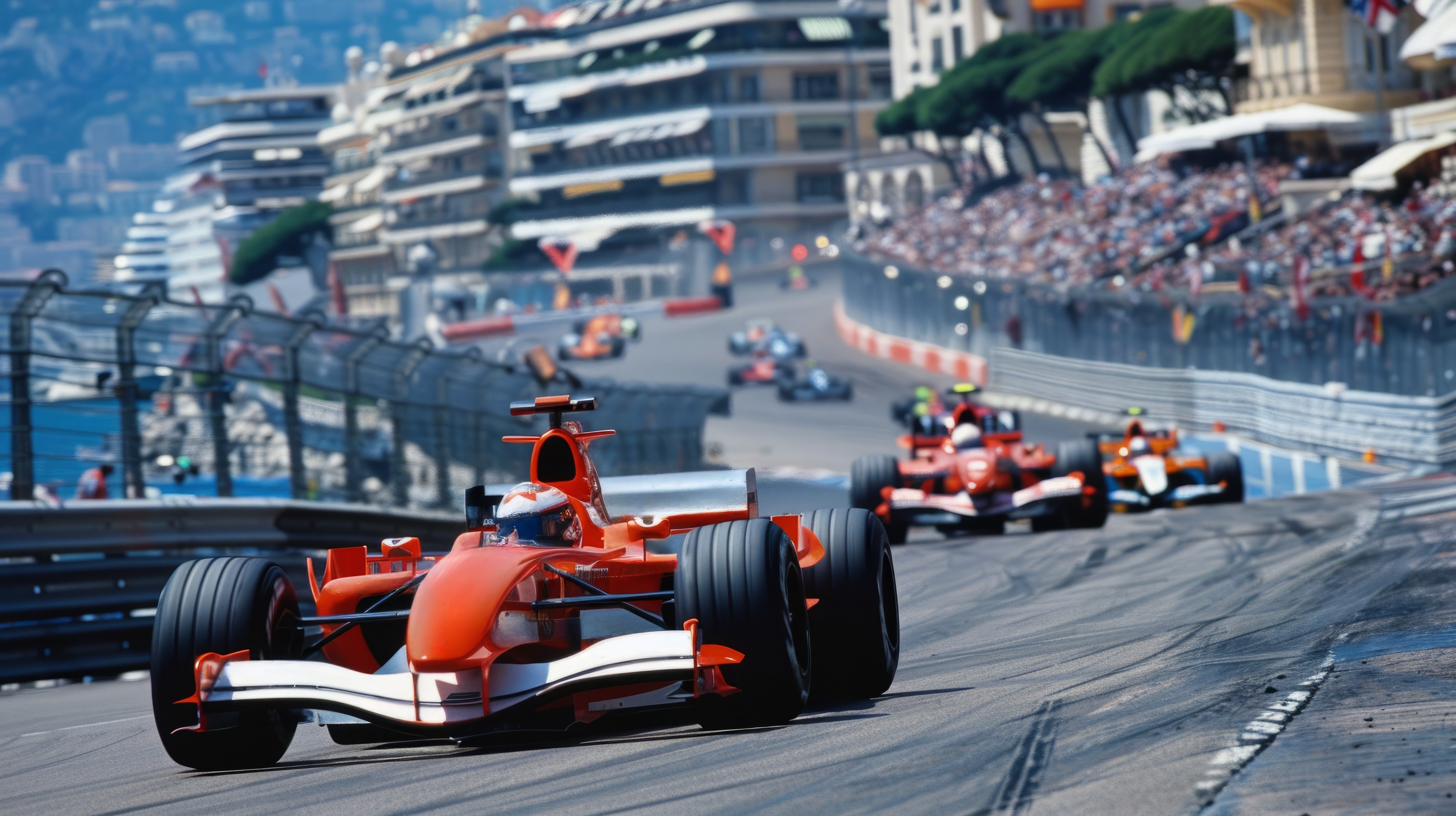
Monaco Grand Prix 2026

06/04/2026-06/07/2026

100,000

Monaco Grand Prix 2026

06/04/2026-06/07/2026

100,000

Explore Guide
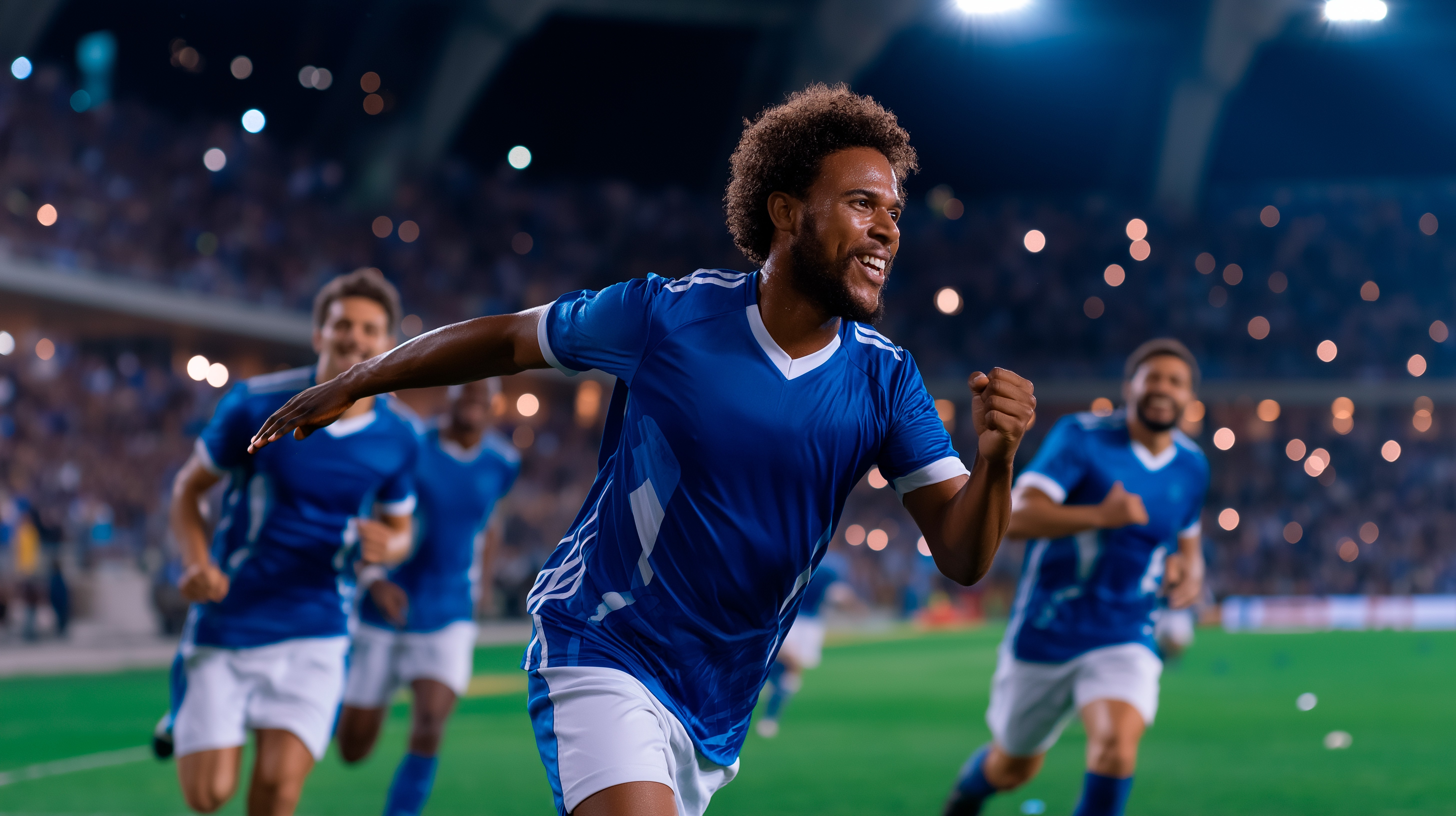
FIFA World Cup 2026

06/11/2026-07/19/2026

5,000,000

FIFA World Cup 2026

06/11/2026-07/19/2026

5,000,000

Explore Guide
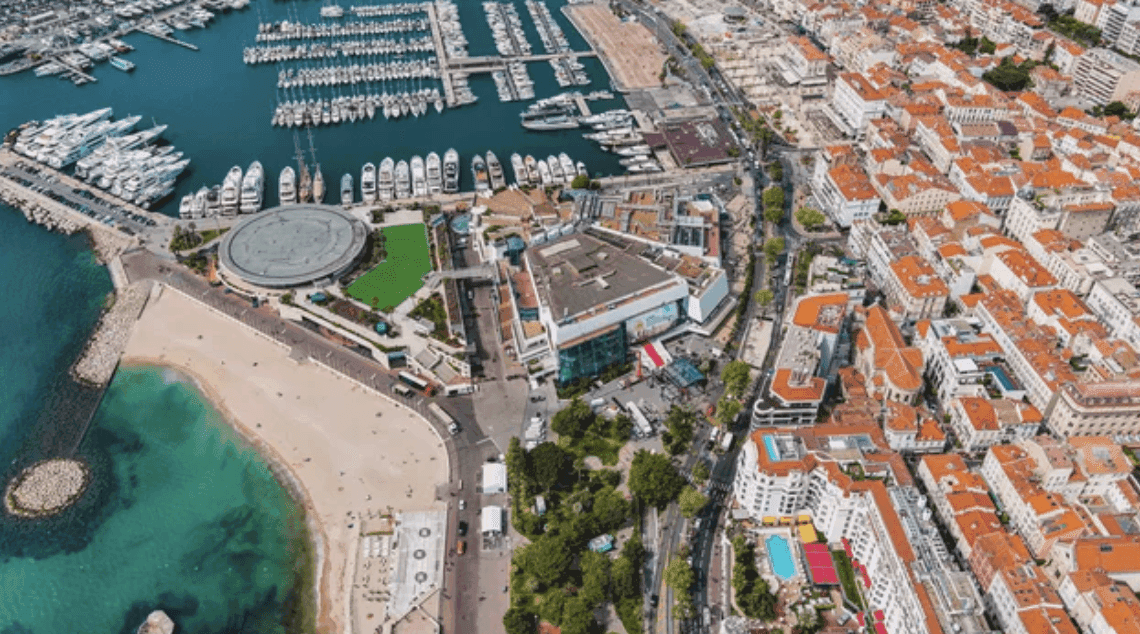
Cannes Lions Festival 2026

06/04/2026-06/07/2026

15,000

Cannes Lions Festival 2026

06/04/2026-06/07/2026

15,000

Explore Guide

View All Events Weeks

The 2026 Formula 1 Crypto.com Miami Grand Prix ran May 1 through 3 at the Miami International Autodrome, the 5.41-kilometer circuit built around Hard Rock Stadium. Andrea Kimi Antonelli, the 19-year-old Italian driver for Mercedes, took pole position on Saturday and converted it into victory on Sunday, holding off McLaren's Lando Norris for his third consecutive win of the 2026 season. The race delivered its usual Sunday weather drama, with severe storm forecasts pushing the start time three hours earlier than scheduled and the sky turning gunmetal before the lights went out. The grandstands stayed full anyway. Five seasons in, that is the pattern the Miami Grand Prix has established. The race weekend is a fixture the city plans around.

How Miami earned its place

When Formula 1 arrived at Hard Rock Stadium in May 2022, the race carved out a purpose-built circuit on what had been a parking footprint. The construction had no real precedent in modern American motorsport. Roughly four miles of new track laid in the middle of an active NFL stadium campus, in a market with limited prior racing heritage, aimed at an audience that for most of F1's history had not existed in significant numbers in the United States. Liberty Media had taken over the sport in 2017 with a plan to grow the U.S. audience. Miami was that plan made physical.

The bet has paid off. According to South Florida Motorsports, the 2025 race drew 275,480 fans over the weekend, exactly matching the 2024 figure and equalling the event's highest attendance. The race holds its audience. In May 2025, Formula 1 and South Florida Motorsports signed a 10-year extension that runs the Grand Prix through 2041, the longest-contracted race on the global F1 calendar. Miami is no longer a debut race. It is a multi-decade fixture inside the most-watched annual sporting series on the planet.

The campus and the weekend

What South Florida Motorsports has built around the autodrome operates more like a temporary city than a sports venue. The 19-corner circuit pushes top speeds past 320 kilometers per hour down its three long straights. The Marina along the autodrome's edge, an artificial harbor staged with hospitality yachts for the weekend, fills with brand activations from the moment the gates open. The Beach Club at Turn 6 programs DJs and chefs across all three days. The Paddock Club, the highest-tier hospitality offering at any F1 race, sells out within hours each year. More than 100 dining options operate across the campus, with the Community Restaurant Program featuring local, predominantly women-owned vendors at the largest-attended sporting event on the South Florida calendar. Mr. Mandolin from the Miami Design District, La Santa Taqueria from Wynwood, and Pinch Kitchen from MiMo all rotate through the campus across race weekend.

A new audience

Much of what F1 has accomplished in America can be traced back to Drive to Survive. The Netflix series launched in 2019 and gave a generation of viewers a way into the sport. Where European F1 coverage had been technical and team-loyal, the Netflix series was personality-driven. Lando Norris, Charles Leclerc, George Russell, and Pierre Gasly became the kind of figures whose every social post is news. Lewis Hamilton's 2024 move from Mercedes to Ferrari made the front pages of fashion, sports, and general culture publications simultaneously.

According to Formula 1's 2025 Global Fan Survey, women now account for roughly 41 percent of the sport's global audience, up from 37 percent in 2018, and represent three out of every four new fans entering the sport. The fastest-growing demographic for F1 globally is women aged 16 to 24. The Miami audience reflects that shift. The fan walking into the paddock is looking for the same thing she would look for at Coachella. A scene she wants to be inside of. The brands that have read this shift correctly are the ones whose race-week activations have grown each year.

The brands at the race

The 2026 weekend reflected the audience F1 has earned. MSC Cruises debuted a permanent Yacht Club inside the autodrome, a multi-deck hospitality structure with a Chef's Table by Bagatelle and a 360-degree Captain's Deck. Apple TV expanded its multi-feed broadcast offerings, integrating Apple Maps and Apple Sports for U.S. viewers. American Express ran its long-standing Centurion Lounge program, featuring chef collaborations and live music for cardmembers. Crypto.com remains the title sponsor. TAG Heuer ran its hospitality program with watch reveals timed to qualifying and race sessions.

What it means for Miami

The economic spillover into the broader Miami economy is significant. Hotel occupancy across Miami Beach, Brickell, downtown, the Design District, and Aventura runs near capacity across race weekend. Restaurants from Carbone to Cote to Komodo to ZZ's Club to MILA book three to four weeks in advance for Friday and Saturday. The yacht charter market in Biscayne Bay operates at near-full utilization. Private aviation operators report concentrated volume at Miami-Opa Locka Executive, Fort Lauderdale Executive, and Miami International. The race is no longer just a Sunday afternoon. It is a full Miami business cycle that runs from Wednesday through Monday morning and feeds nearly every premium hospitality category in the city.

Hard Rock Stadium will host seven matches at the 2026 FIFA World Cup. The Miami Open, the Miami Dolphins, and Miami Swim Week already operate in or near the same campus. With the F1 schedule locked through 2041, the autodrome has become a permanent fixture on the global sports calendar, with built-in audience and sponsor relationships that span multiple sports and cultural fixtures. For brands building inside that audience, the implication is direct. Showing up here once is a campaign. Showing up every May is a strategy. The first weekend of May in Miami will be Formula 1, and the world will keep coming.


The 2026 Formula 1 Crypto.com Miami Grand Prix ran May 1 through 3 at the Miami International Autodrome, the 5.41-kilometer circuit built around Hard Rock Stadium. Andrea Kimi Antonelli, the 19-year-old Italian driver for Mercedes, took pole position on Saturday and converted it into victory on Sunday, holding off McLaren's Lando Norris for his third consecutive win of the 2026 season. The race delivered its usual Sunday weather drama, with severe storm forecasts pushing the start time three hours earlier than scheduled and the sky turning gunmetal before the lights went out. The grandstands stayed full anyway. Five seasons in, that is the pattern the Miami Grand Prix has established. The race weekend is a fixture the city plans around.

How Miami earned its place

When Formula 1 arrived at Hard Rock Stadium in May 2022, the race carved out a purpose-built circuit on what had been a parking footprint. The construction had no real precedent in modern American motorsport. Roughly four miles of new track laid in the middle of an active NFL stadium campus, in a market with limited prior racing heritage, aimed at an audience that for most of F1's history had not existed in significant numbers in the United States. Liberty Media had taken over the sport in 2017 with a plan to grow the U.S. audience. Miami was that plan made physical.

The bet has paid off. According to South Florida Motorsports, the 2025 race drew 275,480 fans over the weekend, exactly matching the 2024 figure and equalling the event's highest attendance. The race holds its audience. In May 2025, Formula 1 and South Florida Motorsports signed a 10-year extension that runs the Grand Prix through 2041, the longest-contracted race on the global F1 calendar. Miami is no longer a debut race. It is a multi-decade fixture inside the most-watched annual sporting series on the planet.

The campus and the weekend

What South Florida Motorsports has built around the autodrome operates more like a temporary city than a sports venue. The 19-corner circuit pushes top speeds past 320 kilometers per hour down its three long straights. The Marina along the autodrome's edge, an artificial harbor staged with hospitality yachts for the weekend, fills with brand activations from the moment the gates open. The Beach Club at Turn 6 programs DJs and chefs across all three days. The Paddock Club, the highest-tier hospitality offering at any F1 race, sells out within hours each year. More than 100 dining options operate across the campus, with the Community Restaurant Program featuring local, predominantly women-owned vendors at the largest-attended sporting event on the South Florida calendar. Mr. Mandolin from the Miami Design District, La Santa Taqueria from Wynwood, and Pinch Kitchen from MiMo all rotate through the campus across race weekend.

A new audience

Much of what F1 has accomplished in America can be traced back to Drive to Survive. The Netflix series launched in 2019 and gave a generation of viewers a way into the sport. Where European F1 coverage had been technical and team-loyal, the Netflix series was personality-driven. Lando Norris, Charles Leclerc, George Russell, and Pierre Gasly became the kind of figures whose every social post is news. Lewis Hamilton's 2024 move from Mercedes to Ferrari made the front pages of fashion, sports, and general culture publications simultaneously.

According to Formula 1's 2025 Global Fan Survey, women now account for roughly 41 percent of the sport's global audience, up from 37 percent in 2018, and represent three out of every four new fans entering the sport. The fastest-growing demographic for F1 globally is women aged 16 to 24. The Miami audience reflects that shift. The fan walking into the paddock is looking for the same thing she would look for at Coachella. A scene she wants to be inside of. The brands that have read this shift correctly are the ones whose race-week activations have grown each year.

The brands at the race

The 2026 weekend reflected the audience F1 has earned. MSC Cruises debuted a permanent Yacht Club inside the autodrome, a multi-deck hospitality structure with a Chef's Table by Bagatelle and a 360-degree Captain's Deck. Apple TV expanded its multi-feed broadcast offerings, integrating Apple Maps and Apple Sports for U.S. viewers. American Express ran its long-standing Centurion Lounge program, featuring chef collaborations and live music for cardmembers. Crypto.com remains the title sponsor. TAG Heuer ran its hospitality program with watch reveals timed to qualifying and race sessions.

What it means for Miami

The economic spillover into the broader Miami economy is significant. Hotel occupancy across Miami Beach, Brickell, downtown, the Design District, and Aventura runs near capacity across race weekend. Restaurants from Carbone to Cote to Komodo to ZZ's Club to MILA book three to four weeks in advance for Friday and Saturday. The yacht charter market in Biscayne Bay operates at near-full utilization. Private aviation operators report concentrated volume at Miami-Opa Locka Executive, Fort Lauderdale Executive, and Miami International. The race is no longer just a Sunday afternoon. It is a full Miami business cycle that runs from Wednesday through Monday morning and feeds nearly every premium hospitality category in the city.

Hard Rock Stadium will host seven matches at the 2026 FIFA World Cup. The Miami Open, the Miami Dolphins, and Miami Swim Week already operate in or near the same campus. With the F1 schedule locked through 2041, the autodrome has become a permanent fixture on the global sports calendar, with built-in audience and sponsor relationships that span multiple sports and cultural fixtures. For brands building inside that audience, the implication is direct. Showing up here once is a campaign. Showing up every May is a strategy. The first weekend of May in Miami will be Formula 1, and the world will keep coming.


The 2026 Formula 1 Crypto.com Miami Grand Prix ran May 1 through 3 at the Miami International Autodrome, the 5.41-kilometer circuit built around Hard Rock Stadium. Andrea Kimi Antonelli, the 19-year-old Italian driver for Mercedes, took pole position on Saturday and converted it into victory on Sunday, holding off McLaren's Lando Norris for his third consecutive win of the 2026 season. The race delivered its usual Sunday weather drama, with severe storm forecasts pushing the start time three hours earlier than scheduled and the sky turning gunmetal before the lights went out. The grandstands stayed full anyway. Five seasons in, that is the pattern the Miami Grand Prix has established. The race weekend is a fixture the city plans around.

How Miami earned its place

When Formula 1 arrived at Hard Rock Stadium in May 2022, the race carved out a purpose-built circuit on what had been a parking footprint. The construction had no real precedent in modern American motorsport. Roughly four miles of new track laid in the middle of an active NFL stadium campus, in a market with limited prior racing heritage, aimed at an audience that for most of F1's history had not existed in significant numbers in the United States. Liberty Media had taken over the sport in 2017 with a plan to grow the U.S. audience. Miami was that plan made physical.

The bet has paid off. According to South Florida Motorsports, the 2025 race drew 275,480 fans over the weekend, exactly matching the 2024 figure and equalling the event's highest attendance. The race holds its audience. In May 2025, Formula 1 and South Florida Motorsports signed a 10-year extension that runs the Grand Prix through 2041, the longest-contracted race on the global F1 calendar. Miami is no longer a debut race. It is a multi-decade fixture inside the most-watched annual sporting series on the planet.

The campus and the weekend

What South Florida Motorsports has built around the autodrome operates more like a temporary city than a sports venue. The 19-corner circuit pushes top speeds past 320 kilometers per hour down its three long straights. The Marina along the autodrome's edge, an artificial harbor staged with hospitality yachts for the weekend, fills with brand activations from the moment the gates open. The Beach Club at Turn 6 programs DJs and chefs across all three days. The Paddock Club, the highest-tier hospitality offering at any F1 race, sells out within hours each year. More than 100 dining options operate across the campus, with the Community Restaurant Program featuring local, predominantly women-owned vendors at the largest-attended sporting event on the South Florida calendar. Mr. Mandolin from the Miami Design District, La Santa Taqueria from Wynwood, and Pinch Kitchen from MiMo all rotate through the campus across race weekend.

A new audience

Much of what F1 has accomplished in America can be traced back to Drive to Survive. The Netflix series launched in 2019 and gave a generation of viewers a way into the sport. Where European F1 coverage had been technical and team-loyal, the Netflix series was personality-driven. Lando Norris, Charles Leclerc, George Russell, and Pierre Gasly became the kind of figures whose every social post is news. Lewis Hamilton's 2024 move from Mercedes to Ferrari made the front pages of fashion, sports, and general culture publications simultaneously.

According to Formula 1's 2025 Global Fan Survey, women now account for roughly 41 percent of the sport's global audience, up from 37 percent in 2018, and represent three out of every four new fans entering the sport. The fastest-growing demographic for F1 globally is women aged 16 to 24. The Miami audience reflects that shift. The fan walking into the paddock is looking for the same thing she would look for at Coachella. A scene she wants to be inside of. The brands that have read this shift correctly are the ones whose race-week activations have grown each year.

The brands at the race

The 2026 weekend reflected the audience F1 has earned. MSC Cruises debuted a permanent Yacht Club inside the autodrome, a multi-deck hospitality structure with a Chef's Table by Bagatelle and a 360-degree Captain's Deck. Apple TV expanded its multi-feed broadcast offerings, integrating Apple Maps and Apple Sports for U.S. viewers. American Express ran its long-standing Centurion Lounge program, featuring chef collaborations and live music for cardmembers. Crypto.com remains the title sponsor. TAG Heuer ran its hospitality program with watch reveals timed to qualifying and race sessions.

What it means for Miami

The economic spillover into the broader Miami economy is significant. Hotel occupancy across Miami Beach, Brickell, downtown, the Design District, and Aventura runs near capacity across race weekend. Restaurants from Carbone to Cote to Komodo to ZZ's Club to MILA book three to four weeks in advance for Friday and Saturday. The yacht charter market in Biscayne Bay operates at near-full utilization. Private aviation operators report concentrated volume at Miami-Opa Locka Executive, Fort Lauderdale Executive, and Miami International. The race is no longer just a Sunday afternoon. It is a full Miami business cycle that runs from Wednesday through Monday morning and feeds nearly every premium hospitality category in the city.

Hard Rock Stadium will host seven matches at the 2026 FIFA World Cup. The Miami Open, the Miami Dolphins, and Miami Swim Week already operate in or near the same campus. With the F1 schedule locked through 2041, the autodrome has become a permanent fixture on the global sports calendar, with built-in audience and sponsor relationships that span multiple sports and cultural fixtures. For brands building inside that audience, the implication is direct. Showing up here once is a campaign. Showing up every May is a strategy. The first weekend of May in Miami will be Formula 1, and the world will keep coming.


Formula 1
Formula 1