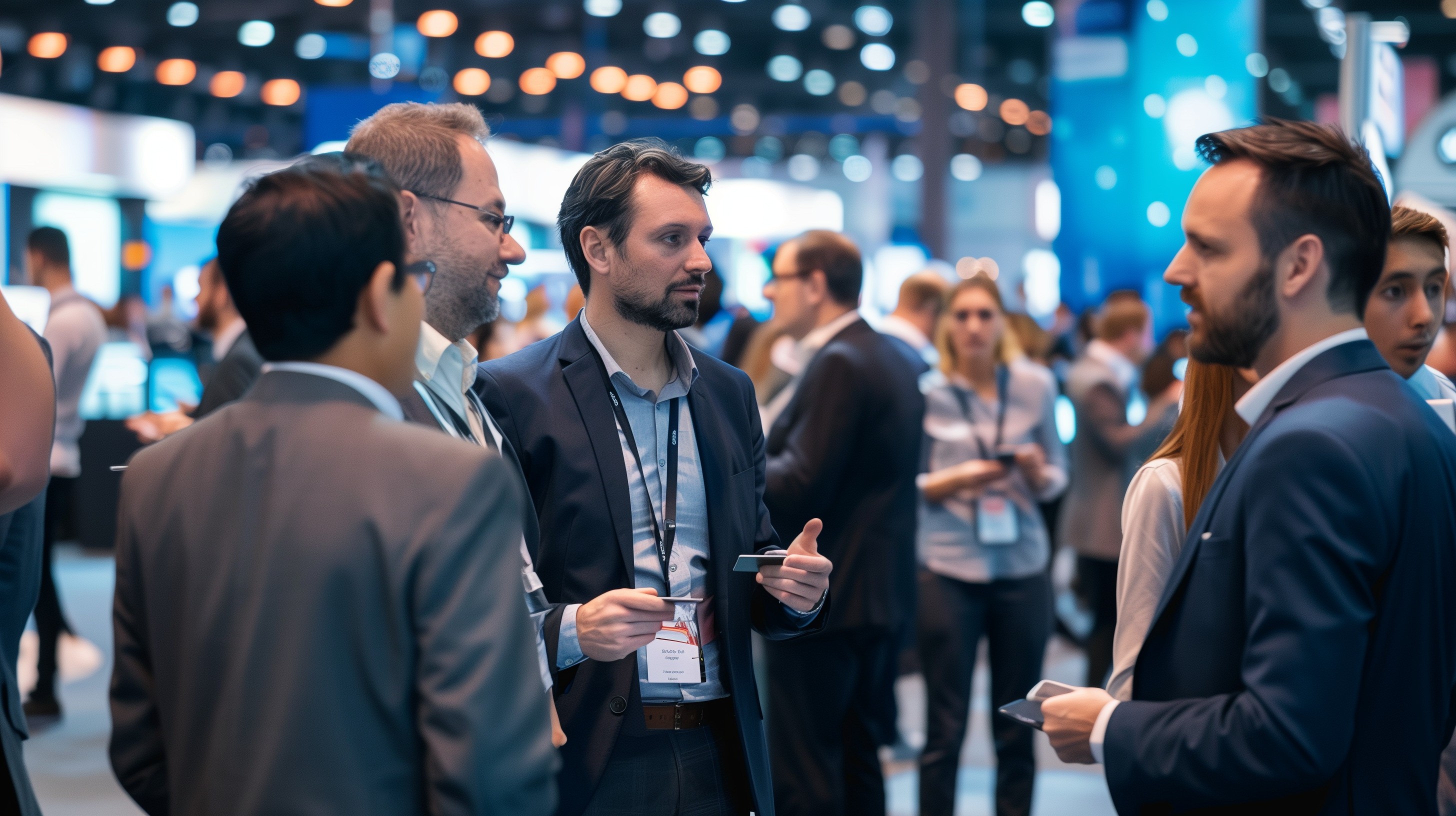
If you've ever attended a major conference, festival, or sporting event, you've probably heard people talk about side events, fringe events, and brand activations. The terms are often used interchangeably, but they don't mean the same thing. And the distinction matters, because many of the most valuable conversations, partnerships, and memorable experiences happen outside the official program.
That's the world the Frynge was built to cover.
What Is a Side Event?
A side event is any event that takes place alongside a larger conference, festival, summit, or sporting event. It exists outside the main agenda but is connected to the same audience and timeframe. Think of it as an extension of the main event.
Examples include:
A networking breakfast before keynote sessions
A startup pitch competition hosted by a sponsor
A customer appreciation happy hour
A panel discussion at a nearby hotel
A product launch during conference week
Some side events are officially affiliated with the main event, while others are completely independent. The key characteristic is simple: they happen alongside the main event.
What Is a Fringe Event?
A fringe event is a type of side event, but it goes beyond simply happening nearby. Fringe events are designed to bring people together outside the formal schedule, with an emphasis on hospitality, culture, networking, entertainment, creativity, and relationship-building.
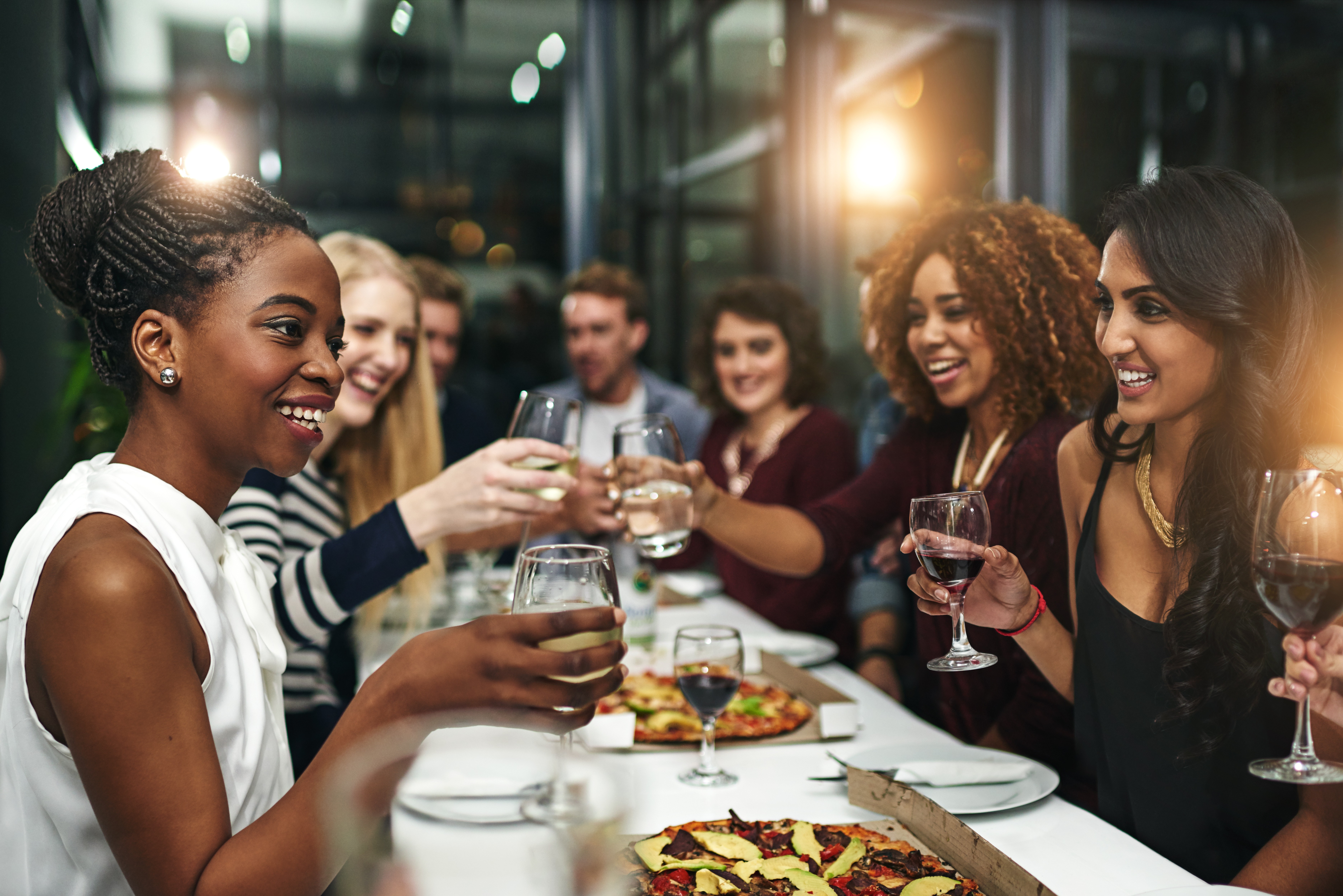
Examples include:
Brand lounges and hospitality suites
Exclusive dinners for founders and executives
Rooftop networking receptions
Creator houses and influencer gatherings
Wellness experiences and recovery lounges
Pop-up installations and immersive experiences
Private cocktail gatherings
These are the rooms where introductions happen, partnerships begin, and ideas are exchanged in a more relaxed setting. They're not just after-parties. They're an essential part of modern conference culture.
So What's the Difference?
The easiest way to think about it: every fringe event is a side event, but not every side event is a fringe event.
One describes when the event happens. The other describes the kind of experience it creates.
A technical workshop scheduled before the conference begins is a side event. A private founder dinner, immersive brand lounge, or rooftop networking experience during the same week is both a side event and a fringe event.
Where Do Brand Activations Fit In?
A brand activation is different because it's a marketing strategy, not an event category. It's any experience designed to help people interact with a brand in a memorable way.
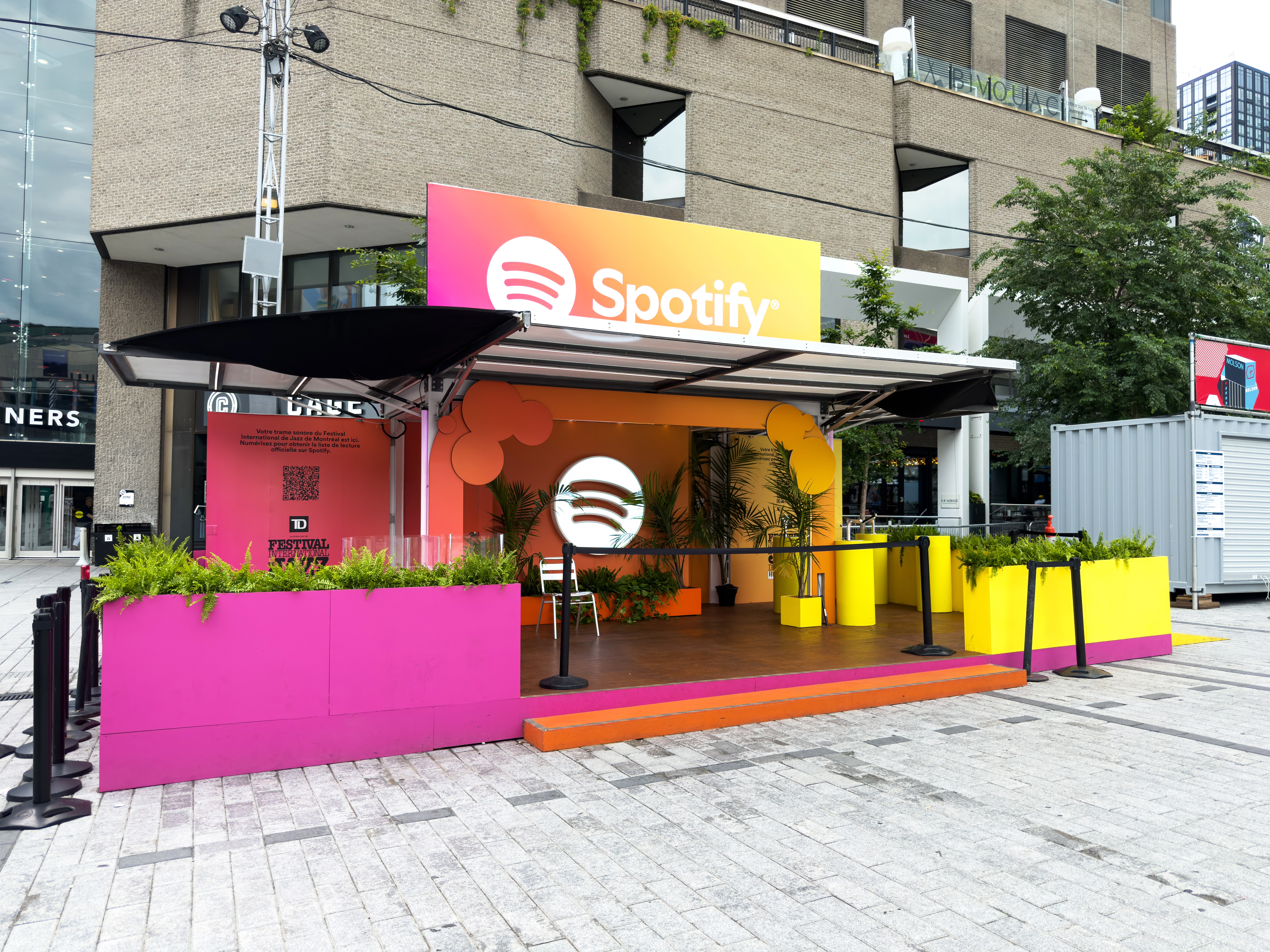
Brand activations can happen:
At the official conference
At a side event
At a fringe event
As a standalone pop-up
For example: a sportswear company creates an interactive basketball challenge during a major conference. That's a brand activation. If it's located outside the official venue during conference week, it's also a side event. If the experience includes networking, hospitality, entertainment, and community, it's also a fringe event.
The same experience can fit all three descriptions.
Why Are Fringe Events Becoming More Important?
Today's professionals don't attend conferences just for keynote speeches. They attend to meet people. Some of the most valuable moments happen over coffee, at dinners, inside brand lounges, during wellness experiences, or while exploring immersive activations.
Companies understand this, which is why brands increasingly invest in experiences that help people connect instead of simply placing logos on banners. As conferences evolve, the experiences surrounding them have become just as influential as the official programming.
Why the Frynge Covers Them
At the Frynge, we believe the most interesting stories don't stop when the keynote ends. We cover the side events, fringe events, brand activations, networking experiences, and conference culture surrounding the world's biggest conferences, festivals, sporting events, and cultural moments. Because where the official program ends, the real experience often begins.
Whether you're attending Cannes Lions, CES, SXSW, Art Basel, Formula 1, Miami Tech Week, or Davos, understanding what's happening beyond the official schedule can transform your experience.
That's the world the Frynge was built to cover.

