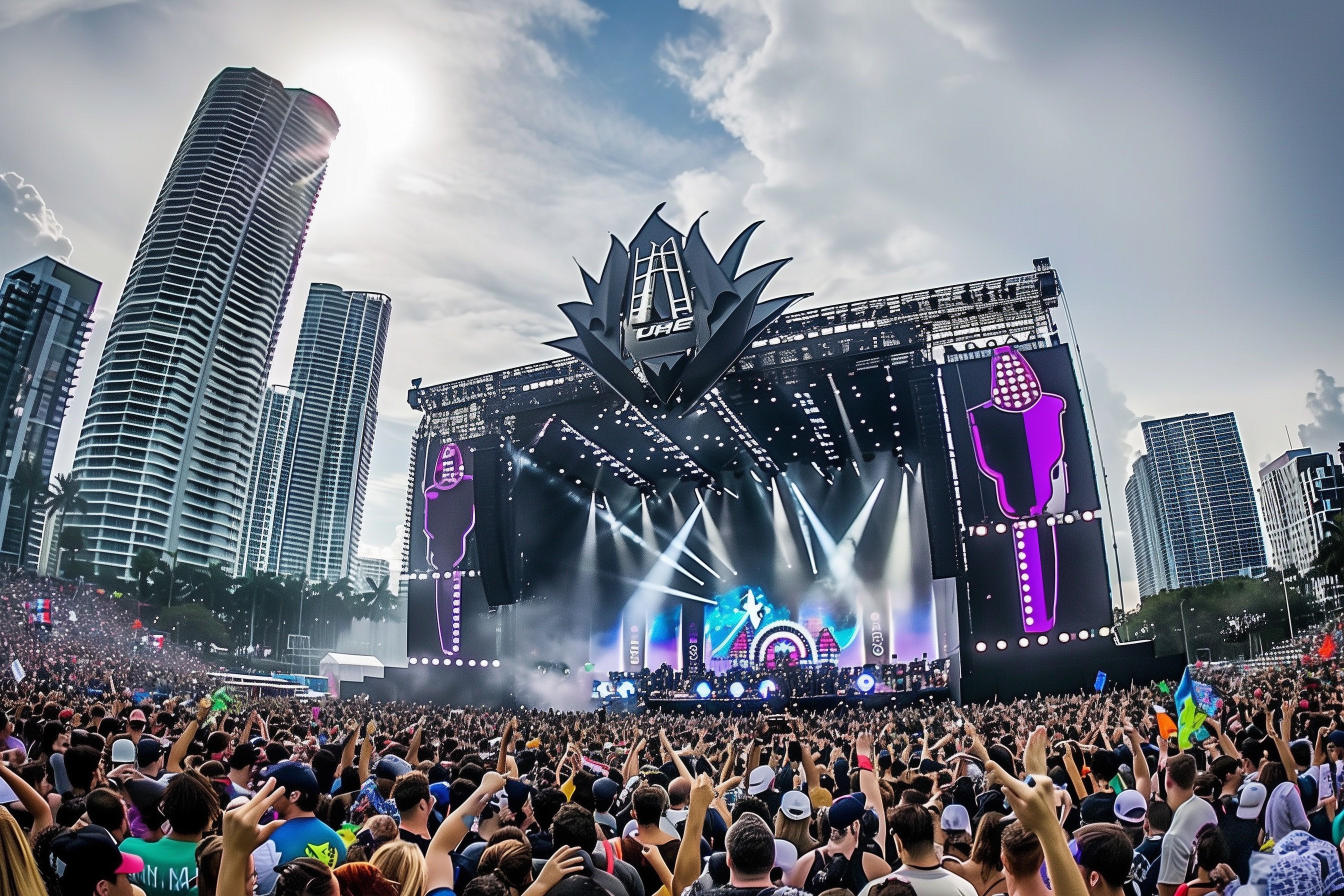
Rolling Loud 2026 ran May 8 through May 10 at Camping World Stadium in Orlando, Florida, the first edition of the festival to take place outside Miami in its eleven-year history. According to the festival, Don Toliver headlined Friday, Playboi Carti headlined Saturday, and Ken Carson closed the festival on Sunday after stepping in as a replacement for YoungBoy Never Broke Again, who withdrew days before the event. Sexyy Red, Chief Keef, Pooh Shiesty, Sammy Virji, Destroy Lonely, Homixide Gang, BossMan Dlow, SahBabii, OsamaSon, Nettspend, and more than 70 additional artists filled out the bill. Tickets opened at $279 for general admission, with VIP tickets from $599. Founded in 2015 by Matt Zingler and Tariq Cherif, Rolling Loud is regularly described as the largest hip-hop festival in the world.
The Sunday that decided the weekend
On Thursday, May 7, three days before the festival opened, NBA YoungBoy posted to Instagram that he would not be making it to Rolling Loud. The festival had a Sunday-night headliner gap with the gates opening in less than 48 hours. Rod Wave and Yeat were rumored as replacements. The festival landed on Ken Carson, the Atlanta rapper signed to Playboi Carti's Opium label, whose More Chaos topped the Billboard 200 in 2025. The decision was structurally smart. With Carti and Destroy Lonely already booked for Saturday, the Opium fanbase was on festival grounds for the entire weekend.
On Sunday night, Carson turned what could have been the festival's biggest setback into its defining moment. Lil Tecca came out for “Tic Tac Toe.” Destroy Lonely joined for “Singapore” and “The Acronym.” Young Thug, who had been seen around the festival grounds all weekend without a booked set of his own, came out for “Yuck” off UY SCUTI, then stayed for a solo run of his hit “Digits.” Playboi Carti closed the guest run with two unreleased Carson collaborations, “ARP” and “Cover My Ears,” with Carti in a 2Pac T-shirt, leather pants, and white high-top Air Force Ones instead of his usual YSL suit. Carson previewed seconds-long teasers of his unreleased tracks “Boil” and “Stars” ahead of his forthcoming album The Xperiment. The set became the festival's most-replayed moment on TikTok and YouTube within hours.
Why the move to Orlando matters
The move from Miami to Orlando is the most significant single change in the festival's history. Hard Rock Stadium in Miami Gardens, which also hosts the F1 Miami Grand Prix in May and the FIFA World Cup matches in summer 2026, had been the festival's home for years, with the Rolling Loud brand identity tied closely to Miami's hip-hop heritage. The festival's organizers framed the relocation as part of an expansion strategy. The international Rolling Loud calendar continues to include editions in Portugal, Thailand, Germany, and Australia, with the Sydney and Melbourne dates running in March 2026.
For Orlando, the festival is a meaningful addition to the city's annual cultural calendar. Camping World Stadium, which hosts NCAA bowl games and major concert tours, gains a recurring three-day cultural fixture. For the hip-hop industry, the move signals that the genre's touring infrastructure no longer requires its historical anchor cities. New York, Atlanta, Los Angeles, and Miami built modern hip-hop. The audience now follows the festival rather than the festival following the audience.
The lineup as a generational snapshot
The 2026 lineup reflected where hip-hop is right now. Don Toliver, who has expanded from the Cactus Jack ecosystem into one of the more commercially successful melodic rap artists of his generation, anchored Friday. Carti, who released MUSIC in 2025, anchored Saturday with his record-breaking sixth Rolling Loud headlining set, the most by any artist in the festival's history. Around the headliners, the bill included legacy figures like Chief Keef, current peak-momentum artists including Sexyy Red, Pooh Shiesty, and BossMan Dlow, and the next generation of regional and underground voices including SahBabii, Luh Tyler, OsamaSon, Nettspend, and PlaqueBoyMax. The genre coverage extended from drill to plugg to trap to melodic hip-hop to UK influences, with Sammy Virji bringing the British bass and garage scene to a US hip-hop bill.
The activation calendar and the movie
The brand activation calendar around Rolling Loud expanded significantly in Orlando. The Loud Theater, in partnership with Cinemark and Sprite, debuted the first teaser trailer for Rolling Loud the Movie, with the film scheduled for a nationwide theatrical release on October 2, 2026. Red Bull's Gravitron activation hosted DJ sets and surprise guest appearances. Under Armor's “Fit for the Pit” experience ran workout stations, cooling pods, and hydration areas. The Sherb Skatepark, hosted by skate legend Stevie Williams, gave the festival a street-style skate destination. The Hennessy Social Club offered premium views over the main stage from a double-decker activation. The Backwoods Record Store inside the 21+ Rolling Station hosted an immersive, vinyl-inspired experience featuring DJ sets and exclusive programming. The festival streamed live across Amazon Music, Prime Video, and Twitch throughout the weekend. The film, the streaming partnership, and the on-grounds activation calendar together signal where Rolling Loud is heading: into the broader cultural economy that operates around hip-hop, not just the live music side.
What the move signals about hip-hop touring
The relocation to Orlando reflects broader shifts in the live music economy. Stadium pricing, city permitting, security costs, and competition for venue dates have all increased substantially in major markets. Mid-sized cities with strong venue infrastructure and willing local government partnerships have become increasingly attractive for festivals at Rolling Loud's scale. Orlando, with Camping World Stadium's capacity, Universal Orlando's adjacent hospitality infrastructure, and an airport accustomed to event-driven traffic spikes, fits that profile. Whether the move proves temporary or permanent will depend on the audience response and how the festival's economics play out in Orlando over the next few years. The Sunday-night save by Ken Carson and the Opium collective probably guaranteed that the experiment would get a second year.