MUSIC News
Explore music festival side events, fringe events, concerts, artist experiences, backstage access, brand activations, and entertainment culture from around the world.
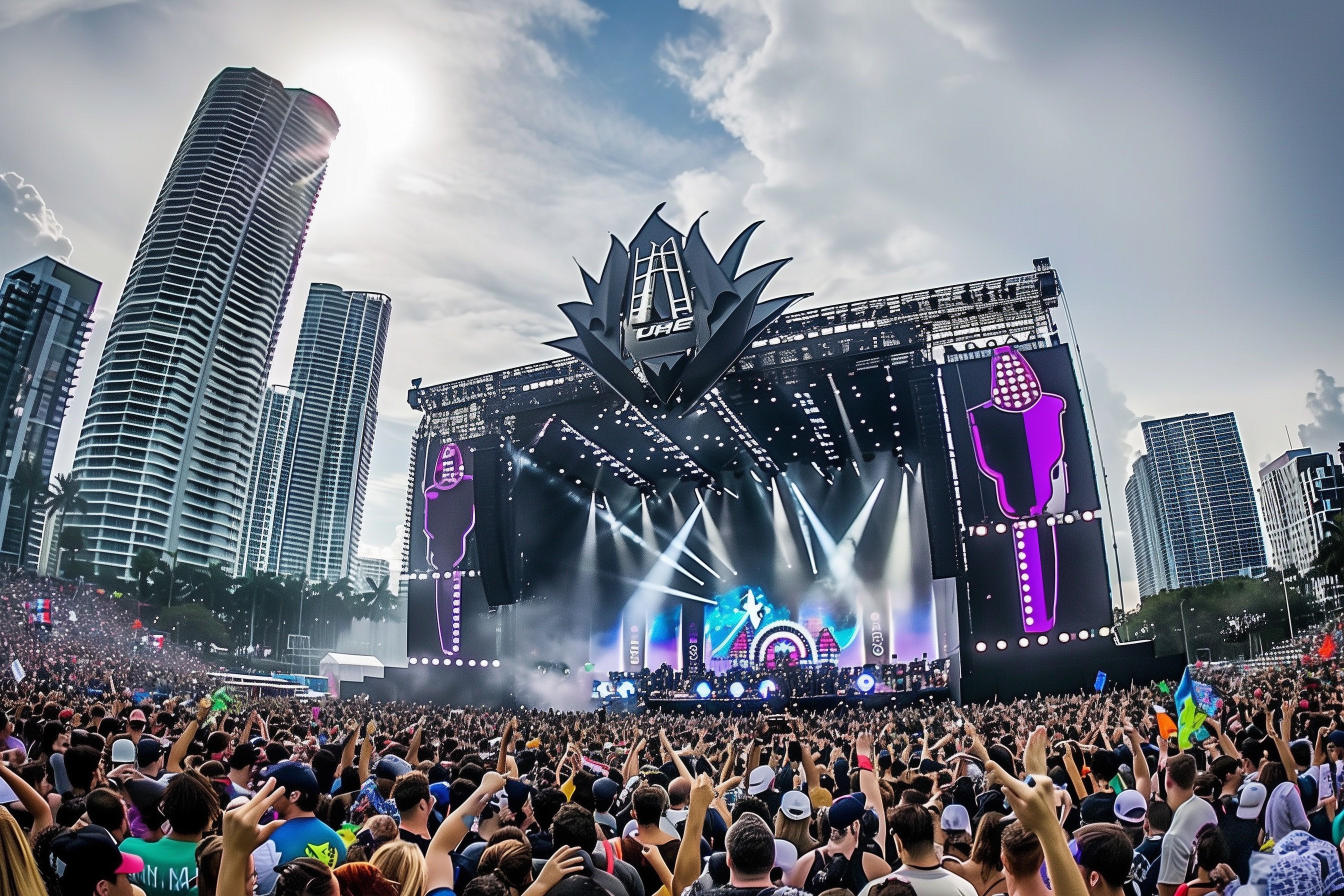
Ultra Music Festival 2026 ran March 27 through 29 at Bayfront Park in downtown Miami, marking the festival's 26th edition. According to the festival, the 2026 lineup featured headliners including Major Lazer, Alesso back-to-back with Martin Garrix, Swedish House Mafia (with Sebastian Ingrosso and Steve Angello originally announced as a back-to-back set that culminated in a full SHM reunion when Axwell joined them onstage), Armin van Buuren, Hardwell, John Summit, DJ Snake, Eric Prydz, Carl Cox, Excision, and ILLENIUM across seven stages. Ultra was voted the second-best festival globally in DJ Mag's Top 100 Festivals poll for 2025. The 27th edition will run March 26 through 28, 2027, at the same venue.
The week the festival anchors
Ultra is the closing weekend of Miami Music Week, the seven-day run of pool parties, label showcases, warehouse events, rooftop sets, and brand activations that takes over Miami every March. The dance music industry descends on the city for the week to network, host events, sign artists, broker deals, and party at a scale that no other electronic music gathering matches. Major labels and management companies host their annual showcases. Streaming platforms run their key artist events. Brand partners activate at the hotels along Collins Avenue and the venues across downtown. By the time Ultra opens its gates on Friday, the city has already been running at full intensity for several days.
The festival itself functions as both the cultural peak of the week and its commercial culmination. The headliner sets at Ultra are the most-watched single performances in dance music each year, with the YouTube livestreams of the main stage drawing viewership that rivals the festival's actual attendance. The new music premiered at Ultra often defines the dance music summer that follows, with tracks debuted at Bayfront Park becoming the dominant sounds at Ibiza, Tomorrowland, and the broader European festival circuit through the rest of the year.
The genre coverage
Ultra spans the full range of contemporary electronic music. The Main Stage hosts the festival's biggest names in mainstream and progressive house, future bass, and pop-adjacent dance music. The RESISTANCE Megastructure is the underground techno home of the festival, and the 2026 edition brought Carl Cox, Adam Beyer, Joseph Capriati, and Sasha back-to-back with John Digweed, and Amelie Lens back-to-back with Sara Landry to that stage. The Worldwide Stage runs trance programming led by Armin van Buuren's A State of Trance. The UMF Radio Stage covers emerging artists and label showcases. The Live Stage features acts that perform with live instrumentation alongside electronic production. The Mega Stage handles bass music, dubstep, and high-energy electronic.
The 2026 edition featured 46 debut Ultra performances, with the festival explicitly framing the year as one of the most adventurous in its history. The back-to-back (B2B) collaboration format, where two major artists share a single set, has become an Ultra signature, with the Alesso and Martin Garrix pairing on the Main Stage representing exactly the kind of one-time-only event that the festival has built its programming identity around.
Why the festival matters culturally
Miami in March is the densest music industry week anywhere in the world. The combination of Ultra at the end and the parallel programming throughout the week produces a density of professional activity, audience engagement, and cultural moment-making that very few annual events anywhere can match. The Latin American audience, which has historically viewed Miami as a gateway city, gives Ultra a continental scope that European and American electronic festivals do not have to the same extent. The Brazilian, Argentine, and Chilean electronic music communities, as well as the broader Latin American electronic music community, travel in large numbers for the week.
For Miami, Ultra and Miami Music Week are among the largest single drivers of international tourism and hospitality revenue on the annual calendar. Hotels along Collins Avenue, in Brickell, and in downtown Miami are at full occupancy. The hospitality, food, and beverage economy across the city handles the largest international audience moment of the spring.
The economy of the festival
Ultra has become one of the most commercially significant electronic music brands globally. The Worldwide Ultra portfolio includes editions in Singapore, Korea, Japan, Croatia, South Africa, Australia, and additional markets, with the brand also expanding into New Zealand for the first time in 2026. The combined economic impact of the Ultra portfolio places it among the world's largest electronic music festival operators, alongside Tomorrowland and EDC. The Miami flagship remains the brand's cultural and commercial center, and the March weekend at Bayfront Park continues to set the annual rhythm for dance music globally.
The brand activation calendar around Ultra and Miami Music Week is the densest in dance music. Streetwear brands, energy drink companies, alcohol brands, technology platforms, and the broader lifestyle economy surrounding electronic music all activate during the week. The hotels along Brickell, downtown Miami, and Miami Beach host brand-rented residency programs, sponsored pool parties, label takeovers, and content production environments. The audience is young, internationally distributed, digitally native, and brand-engaged in ways that the traditional music industry audience often is not. The activations that succeed at Ultra tend to be the ones that respect the underlying culture of electronic music rather than treating it as a generic festival environment.
Ultra Music Festival 2026 ran March 27 through 29 at Bayfront Park in downtown Miami, marking the festival's 26th edition. According to the festival, the 2026 lineup featured headliners including Major Lazer, Alesso back-to-back with Martin Garrix, Swedish House Mafia (with Sebastian Ingrosso and Steve Angello originally announced as a back-to-back set that culminated in a full SHM reunion when Axwell joined them onstage), Armin van Buuren, Hardwell, John Summit, DJ Snake, Eric Prydz, Carl Cox, Excision, and ILLENIUM across seven stages. Ultra was voted the second-best festival globally in DJ Mag's Top 100 Festivals poll for 2025. The 27th edition will run March 26 through 28, 2027, at the same venue.
The week the festival anchors
Ultra is the closing weekend of Miami Music Week, the seven-day run of pool parties, label showcases, warehouse events, rooftop sets, and brand activations that takes over Miami every March. The dance music industry descends on the city for the week to network, host events, sign artists, broker deals, and party at a scale that no other electronic music gathering matches. Major labels and management companies host their annual showcases. Streaming platforms run their key artist events. Brand partners activate at the hotels along Collins Avenue and the venues across downtown. By the time Ultra opens its gates on Friday, the city has already been running at full intensity for several days.
The festival itself functions as both the cultural peak of the week and its commercial culmination. The headliner sets at Ultra are the most-watched single performances in dance music each year, with the YouTube livestreams of the main stage drawing viewership that rivals the festival's actual attendance. The new music premiered at Ultra often defines the dance music summer that follows, with tracks debuted at Bayfront Park becoming the dominant sounds at Ibiza, Tomorrowland, and the broader European festival circuit through the rest of the year.
The genre coverage
Ultra spans the full range of contemporary electronic music. The Main Stage hosts the festival's biggest names in mainstream and progressive house, future bass, and pop-adjacent dance music. The RESISTANCE Megastructure is the underground techno home of the festival, and the 2026 edition brought Carl Cox, Adam Beyer, Joseph Capriati, and Sasha back-to-back with John Digweed, and Amelie Lens back-to-back with Sara Landry to that stage. The Worldwide Stage runs trance programming led by Armin van Buuren's A State of Trance. The UMF Radio Stage covers emerging artists and label showcases. The Live Stage features acts that perform with live instrumentation alongside electronic production. The Mega Stage handles bass music, dubstep, and high-energy electronic.
The 2026 edition featured 46 debut Ultra performances, with the festival explicitly framing the year as one of the most adventurous in its history. The back-to-back (B2B) collaboration format, where two major artists share a single set, has become an Ultra signature, with the Alesso and Martin Garrix pairing on the Main Stage representing exactly the kind of one-time-only event that the festival has built its programming identity around.
Why the festival matters culturally
Miami in March is the densest music industry week anywhere in the world. The combination of Ultra at the end and the parallel programming throughout the week produces a density of professional activity, audience engagement, and cultural moment-making that very few annual events anywhere can match. The Latin American audience, which has historically viewed Miami as a gateway city, gives Ultra a continental scope that European and American electronic festivals do not have to the same extent. The Brazilian, Argentine, and Chilean electronic music communities, as well as the broader Latin American electronic music community, travel in large numbers for the week.
For Miami, Ultra and Miami Music Week are among the largest single drivers of international tourism and hospitality revenue on the annual calendar. Hotels along Collins Avenue, in Brickell, and in downtown Miami are at full occupancy. The hospitality, food, and beverage economy across the city handles the largest international audience moment of the spring.
The economy of the festival
Ultra has become one of the most commercially significant electronic music brands globally. The Worldwide Ultra portfolio includes editions in Singapore, Korea, Japan, Croatia, South Africa, Australia, and additional markets, with the brand also expanding into New Zealand for the first time in 2026. The combined economic impact of the Ultra portfolio places it among the world's largest electronic music festival operators, alongside Tomorrowland and EDC. The Miami flagship remains the brand's cultural and commercial center, and the March weekend at Bayfront Park continues to set the annual rhythm for dance music globally.
The brand activation calendar around Ultra and Miami Music Week is the densest in dance music. Streetwear brands, energy drink companies, alcohol brands, technology platforms, and the broader lifestyle economy surrounding electronic music all activate during the week. The hotels along Brickell, downtown Miami, and Miami Beach host brand-rented residency programs, sponsored pool parties, label takeovers, and content production environments. The audience is young, internationally distributed, digitally native, and brand-engaged in ways that the traditional music industry audience often is not. The activations that succeed at Ultra tend to be the ones that respect the underlying culture of electronic music rather than treating it as a generic festival environment.
Ultra Music Festival 2026 ran March 27 through 29 at Bayfront Park in downtown Miami, marking the festival's 26th edition. According to the festival, the 2026 lineup featured headliners including Major Lazer, Alesso back-to-back with Martin Garrix, Swedish House Mafia (with Sebastian Ingrosso and Steve Angello originally announced as a back-to-back set that culminated in a full SHM reunion when Axwell joined them onstage), Armin van Buuren, Hardwell, John Summit, DJ Snake, Eric Prydz, Carl Cox, Excision, and ILLENIUM across seven stages. Ultra was voted the second-best festival globally in DJ Mag's Top 100 Festivals poll for 2025. The 27th edition will run March 26 through 28, 2027, at the same venue.
The week the festival anchors
Ultra is the closing weekend of Miami Music Week, the seven-day run of pool parties, label showcases, warehouse events, rooftop sets, and brand activations that takes over Miami every March. The dance music industry descends on the city for the week to network, host events, sign artists, broker deals, and party at a scale that no other electronic music gathering matches. Major labels and management companies host their annual showcases. Streaming platforms run their key artist events. Brand partners activate at the hotels along Collins Avenue and the venues across downtown. By the time Ultra opens its gates on Friday, the city has already been running at full intensity for several days.
The festival itself functions as both the cultural peak of the week and its commercial culmination. The headliner sets at Ultra are the most-watched single performances in dance music each year, with the YouTube livestreams of the main stage drawing viewership that rivals the festival's actual attendance. The new music premiered at Ultra often defines the dance music summer that follows, with tracks debuted at Bayfront Park becoming the dominant sounds at Ibiza, Tomorrowland, and the broader European festival circuit through the rest of the year.
The genre coverage
Ultra spans the full range of contemporary electronic music. The Main Stage hosts the festival's biggest names in mainstream and progressive house, future bass, and pop-adjacent dance music. The RESISTANCE Megastructure is the underground techno home of the festival, and the 2026 edition brought Carl Cox, Adam Beyer, Joseph Capriati, and Sasha back-to-back with John Digweed, and Amelie Lens back-to-back with Sara Landry to that stage. The Worldwide Stage runs trance programming led by Armin van Buuren's A State of Trance. The UMF Radio Stage covers emerging artists and label showcases. The Live Stage features acts that perform with live instrumentation alongside electronic production. The Mega Stage handles bass music, dubstep, and high-energy electronic.
The 2026 edition featured 46 debut Ultra performances, with the festival explicitly framing the year as one of the most adventurous in its history. The back-to-back (B2B) collaboration format, where two major artists share a single set, has become an Ultra signature, with the Alesso and Martin Garrix pairing on the Main Stage representing exactly the kind of one-time-only event that the festival has built its programming identity around.
Why the festival matters culturally
Miami in March is the densest music industry week anywhere in the world. The combination of Ultra at the end and the parallel programming throughout the week produces a density of professional activity, audience engagement, and cultural moment-making that very few annual events anywhere can match. The Latin American audience, which has historically viewed Miami as a gateway city, gives Ultra a continental scope that European and American electronic festivals do not have to the same extent. The Brazilian, Argentine, and Chilean electronic music communities, as well as the broader Latin American electronic music community, travel in large numbers for the week.
For Miami, Ultra and Miami Music Week are among the largest single drivers of international tourism and hospitality revenue on the annual calendar. Hotels along Collins Avenue, in Brickell, and in downtown Miami are at full occupancy. The hospitality, food, and beverage economy across the city handles the largest international audience moment of the spring.
The economy of the festival
Ultra has become one of the most commercially significant electronic music brands globally. The Worldwide Ultra portfolio includes editions in Singapore, Korea, Japan, Croatia, South Africa, Australia, and additional markets, with the brand also expanding into New Zealand for the first time in 2026. The combined economic impact of the Ultra portfolio places it among the world's largest electronic music festival operators, alongside Tomorrowland and EDC. The Miami flagship remains the brand's cultural and commercial center, and the March weekend at Bayfront Park continues to set the annual rhythm for dance music globally.
The brand activation calendar around Ultra and Miami Music Week is the densest in dance music. Streetwear brands, energy drink companies, alcohol brands, technology platforms, and the broader lifestyle economy surrounding electronic music all activate during the week. The hotels along Brickell, downtown Miami, and Miami Beach host brand-rented residency programs, sponsored pool parties, label takeovers, and content production environments. The audience is young, internationally distributed, digitally native, and brand-engaged in ways that the traditional music industry audience often is not. The activations that succeed at Ultra tend to be the ones that respect the underlying culture of electronic music rather than treating it as a generic festival environment.
4 min read