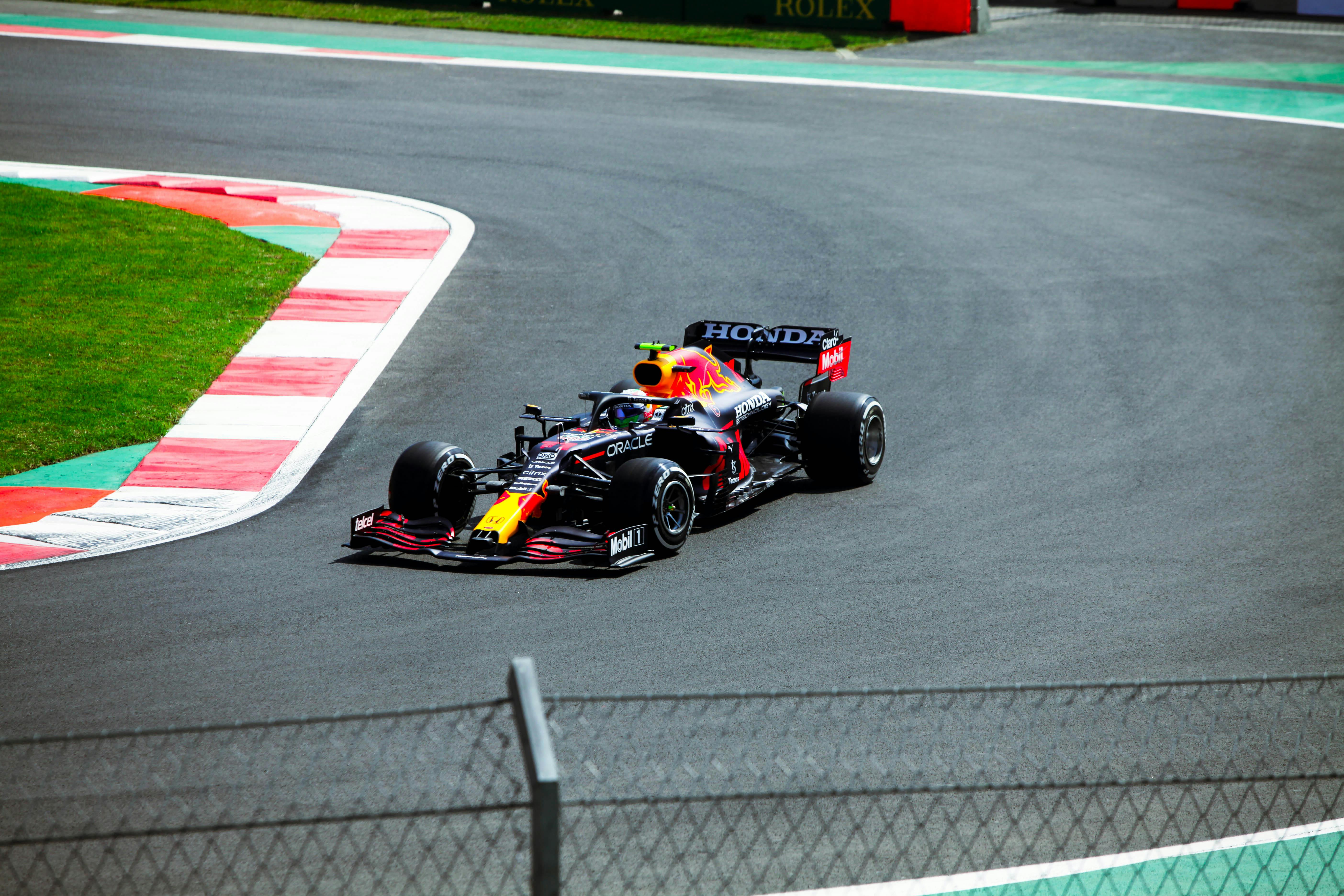
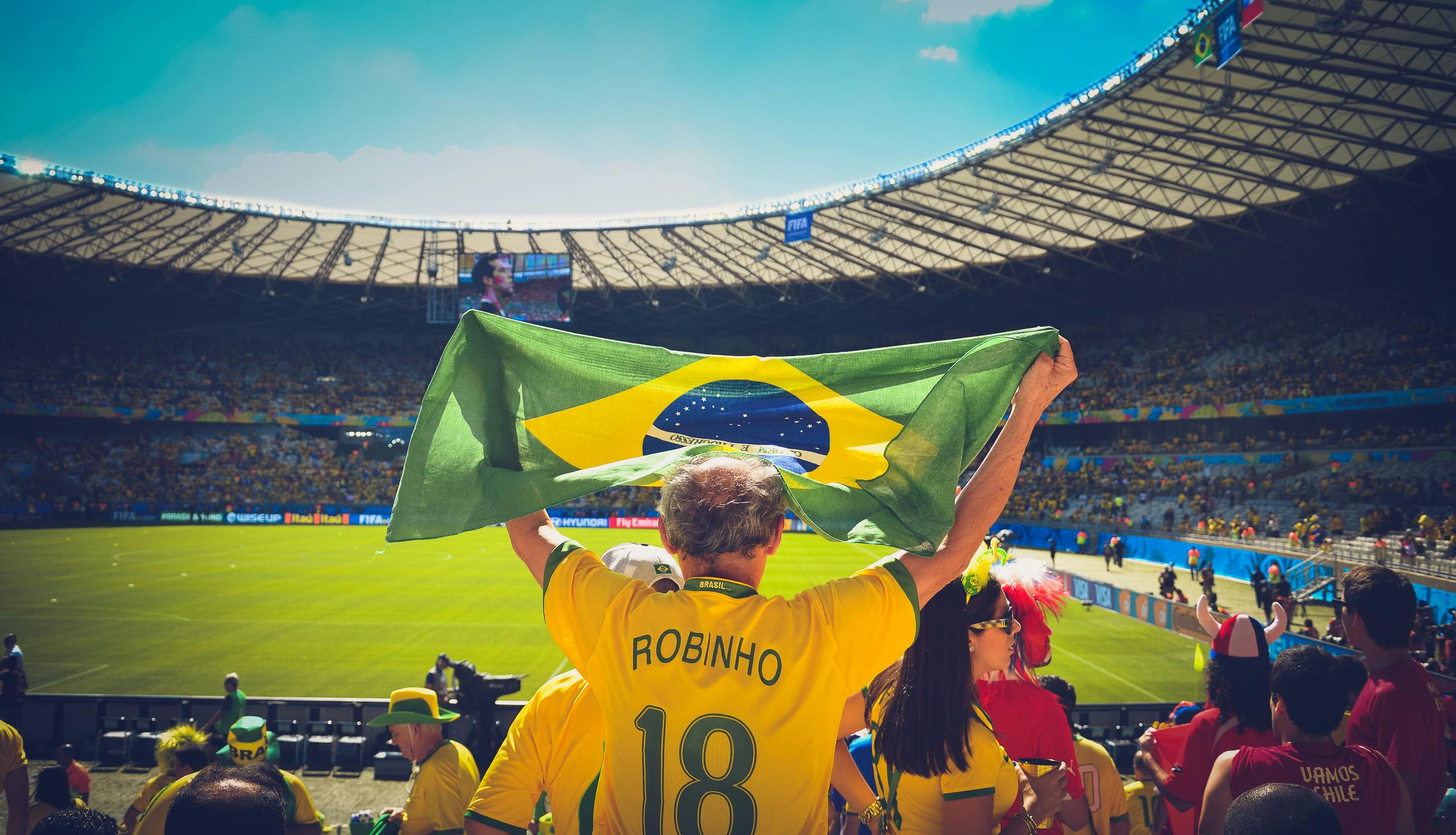
Formula 1's 2026 calendar brings the sport back to North America for a concentrated closing stretch: Austin (October 23 to 25), Mexico City (October 30 to November 1), and Las Vegas (November 19 to 21). On paper, three races within a month of each other read as a single buying decision. In practice, they could hardly be more different, and the brands that treat them as interchangeable will leave the most valuable ground uncontested.
The 2026 Backdrop: A New Broadcast Era
Before parsing the three stops, one change reframes all of them. 2026 is the first season under Formula 1's new US broadcast deal with Apple, a five-year, exclusive agreement reported at north of 140 million dollars a year that moves every practice, qualifying, and race onto Apple TV, with select races and all practice sessions available free. It replaces the linear-television footprint ESPN held since 2018.
For brands, that shift changes the arithmetic. F1's American audience is now streaming-native and strikingly young: Formula 1's own 2025 global fan survey found that 47 percent of new US fans are aged 18 to 24, and more than half are women. The sport that Drive to Survive and the Apple-produced F1 film delivered to the US is not the enthusiast niche of a decade ago. It is a young, diverse, culturally fluent audience that behaves more like a music fandom than a traditional motorsport one, and that is the audience showing up at all three races this fall.
Austin: The Established American Anchor
The United States Grand Prix at Circuit of the Americas is F1's most established North American race, built on a fan base more than a decade in the making since the circuit opened in 2012. Austin now draws more than 400,000 fans across its race weekend, among the largest crowds on the entire calendar, and the weekend has evolved into something closer to a festival than a race, blending motorsport with the city's live-music and hospitality culture.
That texture is the opportunity. Austin lets a brand build an activation that feels native to the city's identity rather than airlifted in for the weekend, and its familiar infrastructure and event-hardened local ecosystem make it the most straightforward of the three stops for any brand with an existing US presence. The trade-off is that "established" also means crowded: Austin is where the incumbents already are, so the challenge is standing out in a market that has had thirteen years to fill up.
Mexico City: Altitude, Passion, and a Distinct Fan Culture
The Autódromo Hermanos Rodríguez sits at roughly 2,240 metres above sea level, the highest circuit on the calendar, and the thin air shapes everything from engine performance to the feel of the weekend. The race consistently ranks among the most passionate on the F1 schedule, and its defining feature is the stadium section, the grandstand-ringed amphitheatre known for years as the Foro Sol and now officially the Estadio GNP Seguros, where the cars thread through a wall of sound and the podium celebrations happen in front of packed stands. The 2025 edition drew more than 400,000 spectators across the weekend.
For brands, Mexico City offers something the US races cannot: a fan base with a genuinely different cultural relationship to the sport, anchored by Mexican fandom that treats the weekend as a national event. The reward goes to brands willing to engage that passion on its own terms, building something specific to this crowd rather than running the same generic F1 playbook they would deploy anywhere else. Authenticity is not a nice-to-have here. This audience can tell the difference.
Las Vegas: The Spectacle Play
Las Vegas breaks the mould before the cars even move. The Grand Prix runs Thursday through Saturday rather than the traditional Friday-to-Sunday format, with the race itself held late on Saturday night on the Strip under the lights. That scheduling, driven by local event logistics and US primetime, underscores what Las Vegas is actually selling: spectacle over tradition.
Set against the casinos and hotels, the race functions as much as an entertainment and hospitality event as a motorsport competition. It draws brands from gaming, luxury hospitality, and entertainment precisely because the setting does so much of the marketing work on its own. Here the winning move is not motorsport heritage, it is production value and premium experience. Las Vegas rewards the brands built for a show, and quietly penalises the ones that mistake it for a conventional race weekend.
Three Races, Three Playbooks
Treating these as a single North American F1 opportunity misses what actually distinguishes them. Austin rewards brands leaning into an established, culturally integrated fan experience. Mexico City rewards brands willing to engage authentically with a passionate, distinct fan culture. Las Vegas rewards brands built for spectacle and premium hospitality more than motorsport tradition. Same sport, same month, three different definitions of a win.
Planning Across the Stretch
With all three races inside a four-week window, and Austin opening one of the season's closing tripleheaders alongside Mexico City and São Paulo, brands with the budget increasingly treat the run as a connected North American F1 season rather than three isolated sponsorship decisions. The smart version of that approach is not a single identical activation stamped across three cities. It is consistent infrastructure, a repeatable operational and creative backbone, adapted to each city's distinct character: festival-native in Austin, culturally specific in Mexico City, spectacle-first in Las Vegas.
The Off-Agenda Opportunity
There is a further layer that the sponsorship-tier conversation tends to miss. At each of these races, the most competitive brand ground increasingly sits outside the circuit itself, in the off-agenda ecosystem of activations, brand houses, dinners, and cultural side-events that fills each host city for the weekend. That is where a younger, experience-driven audience actually spends its time between sessions, and where differentiation is still genuinely available. The race is the anchor. The programming around it is the opportunity, and mapping that off-agenda layer, city by city, is exactly the terrain The Frynge covers, and the clearest expression of the Presence Economy at work across a single fall stretch.