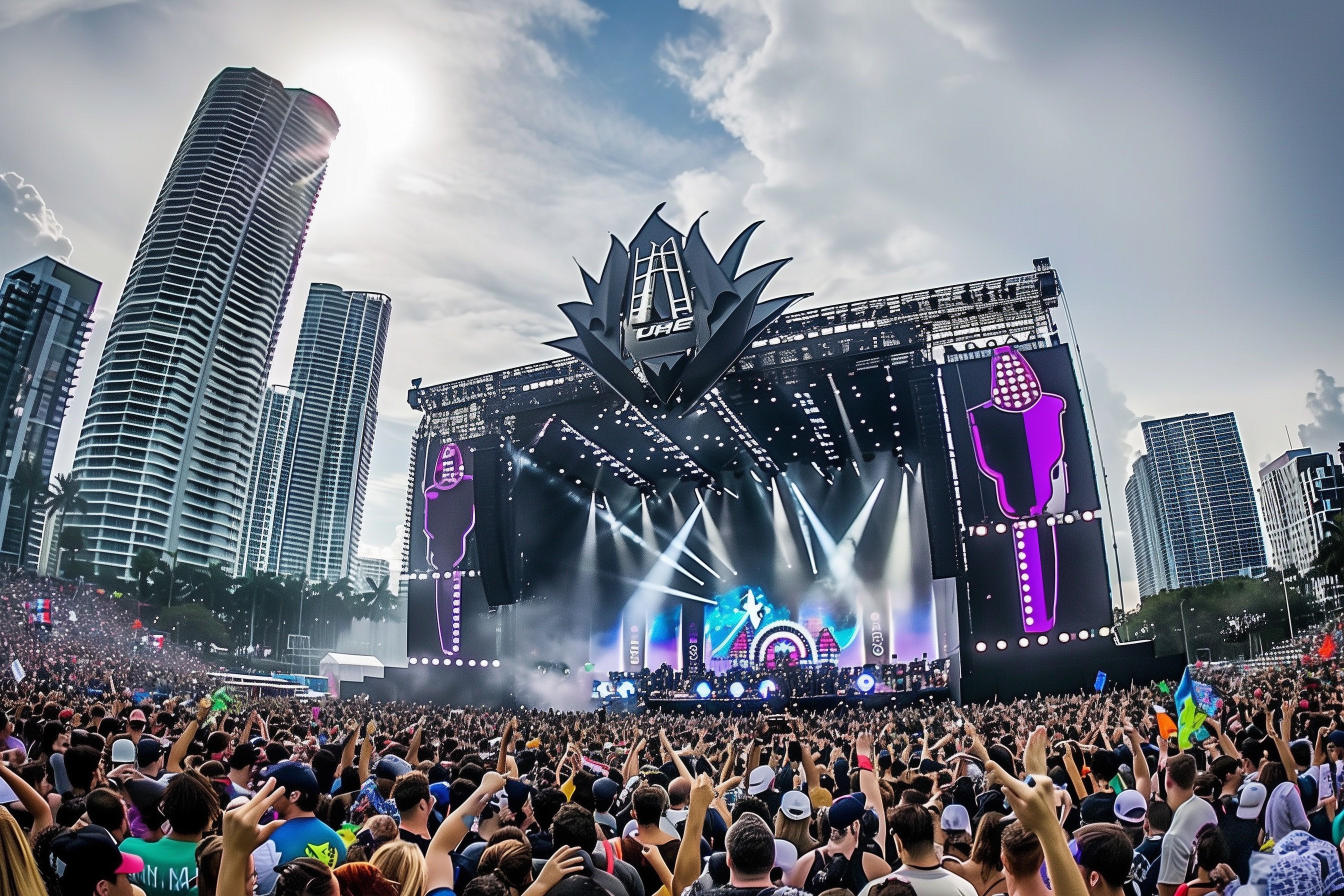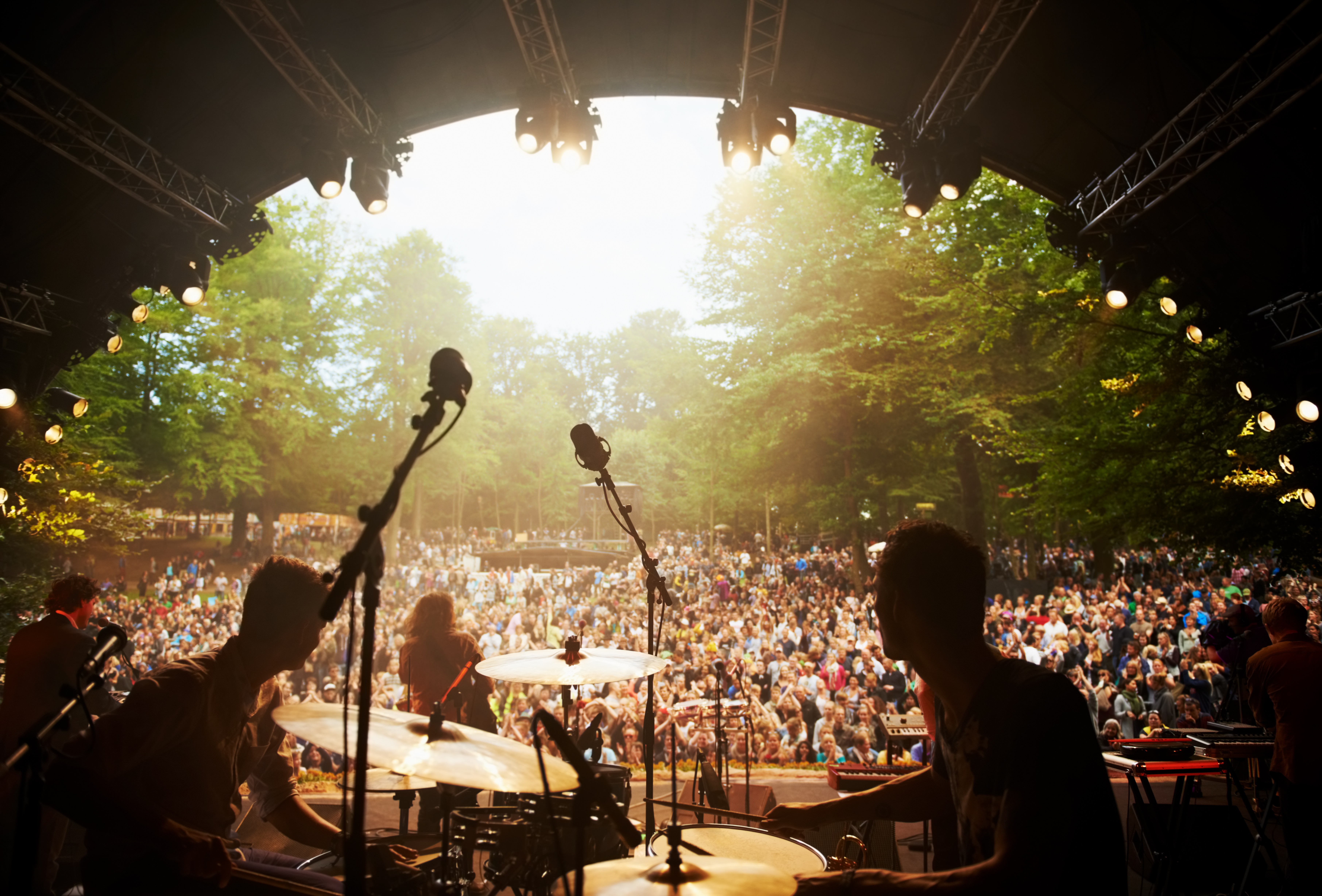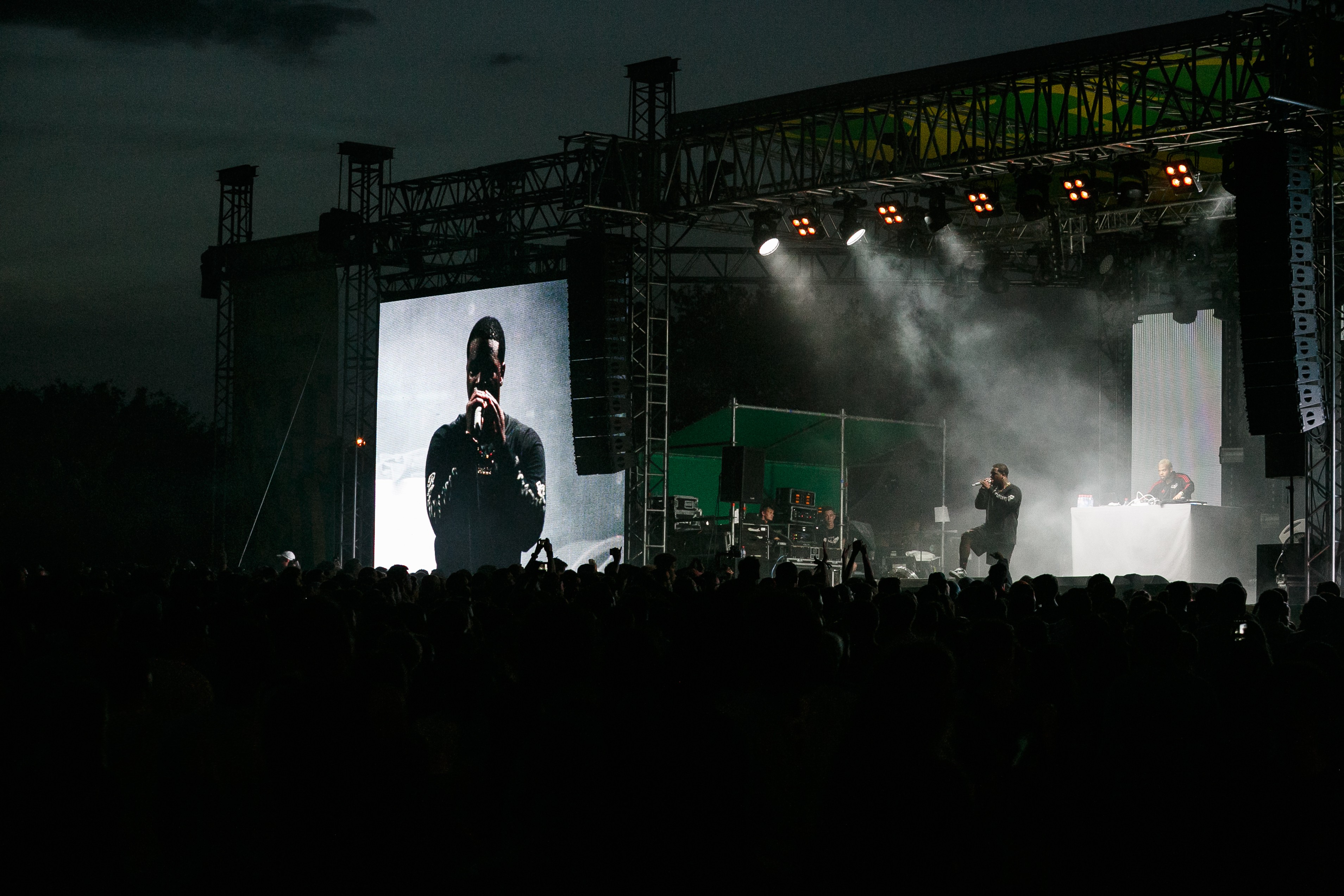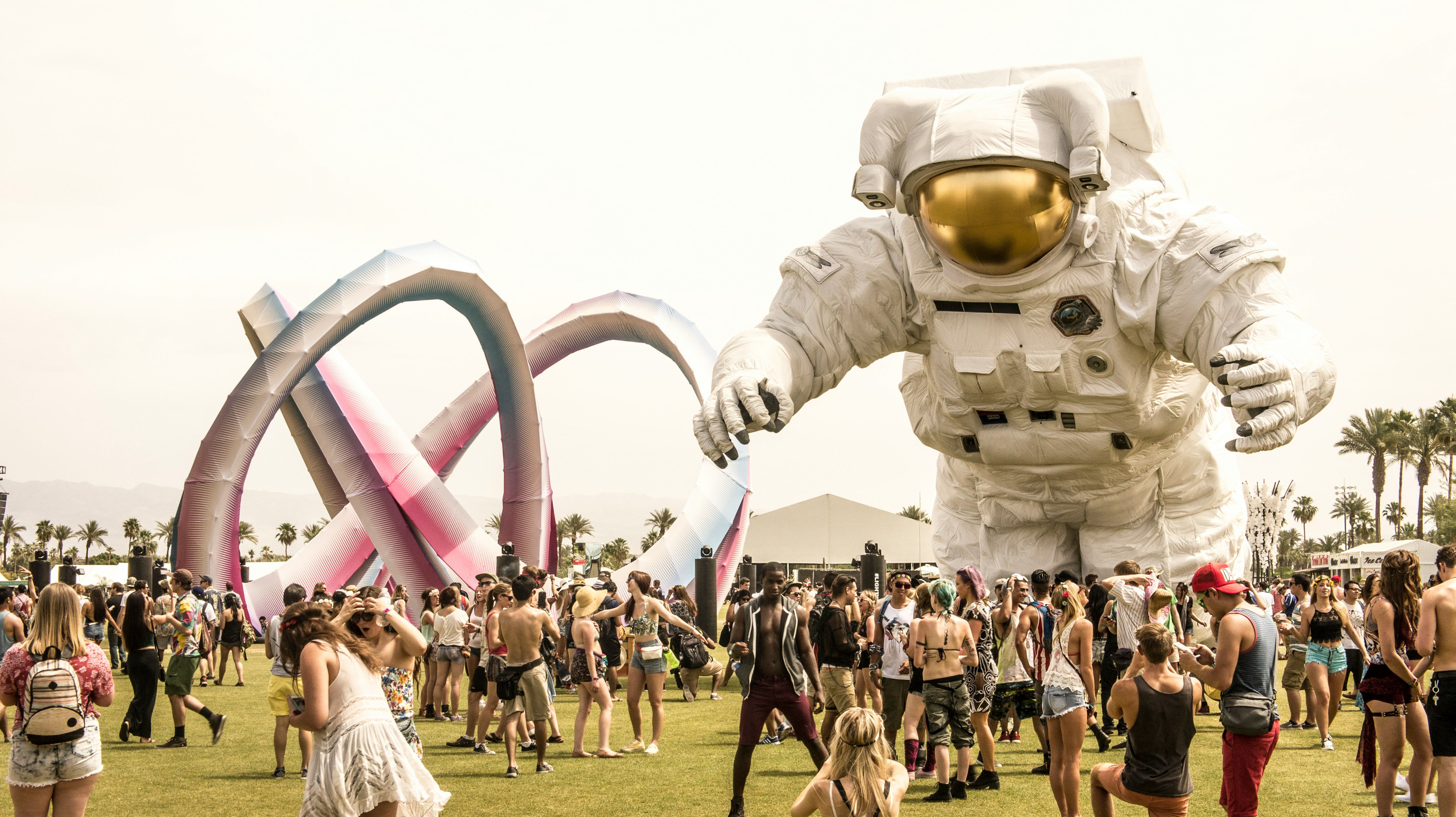
Coachella 2026 ran across two weekends at the Empire Polo Club in Indio, California, with weekend one from April 10 to 12 and weekend two from April 17 to 19. According to organizer Goldenvoice, this was the 25th edition of the festival, and tickets sold out within a week of the lineup announcement in September 2025. The headliners were Sabrina Carpenter, Justin Bieber, Karol G, and Anyma. All four were first-time Coachella headliners. Karol G became the first Latina ever to headline.
The Bieber set
Justin Bieber headlined Saturday night of each weekend in his first time as a Coachella-billed headliner. The booking marked his return to a large-scale stage after canceling his Justice tour in 2022 following his Ramsay Hunt Syndrome diagnosis. Leading up to his Saturday slot, Bieber ran two invite-only warm-up shows at the Roxy and the Troubadour in West Hollywood, both built around material from SWAG and SWAG II, the two surprise albums he released in July and September 2025.
The Saturday set itself was unlike any Coachella headliner in recent memory. For the first 50 minutes, Bieber stayed almost entirely in the SWAG catalog, often alone on a sparse stage in a hooded sweatshirt. The Kid Laroi appeared for 'Stay.' An extended acoustic stretch followed by SWAG producers Carter Lang and Dylan Wiggins. Then came the moment that broke the internet: Bieber sat down at a desk with a MacBook, opened YouTube, and began pulling up his own old music videos, singing along to snippets of 'Baby,' 'Favorite Girl,' 'Beauty and a Beat,' and others. Tems and Wizkid emerged later for 'I Think You're Special' and 'Essence,' with Mk.gee closing out the guest run. Weekend two added Sexyy Red, Billie Eilish, Big Sean, Dijon, and SZA to the guest list.
The performance fragmented across the internet within hours. One group of fans saw a reflective return, a superstar choosing intimacy over spectacle. Another group saw a headliner stripping away too much for the slot's scale. The set became inseparable from the conversation surrounding it, which made it the festival's defining moment. The 'Bieberchella' hashtag trended for days. Reports suggested Bieber was paid more than $10 million for the two-weekend headline run, one of the largest single-artist payouts in the festival's history. Whether the performance was loved or criticized, it was the one everyone was talking about.
The other headliners
Sabrina Carpenter opened weekend one with a theatrical, Hollywood-themed headliner set, dubbed 'Sabrinawood,' that included guest appearances by Will Ferrell, Susan Sarandon, and Samuel L.
Jackson, Sam Elliott, and Corey Fogelmanis. Weekend two added Geena Davis, Terry Crews, and a Madonna duet on 'Vogue' and 'Like a Prayer.' The set was an extended celebration of Carpenter's 2024-2025 peak commercial run.
Karol G closed each weekend on Sunday with a set that blended reggaeton, mariachi, and pop, with guest appearances from Mariah Angeliq, Becky G, Wisin, and Greg Gonzalez in week one and Peso Pluma, J Balvin, and Ryan Castro in week two. The set design and live mariachi band performed at a production scale comparable to the festival's previous Sunday-night moments. Anyma, the Italian electronic producer Matteo Milleri, headlined the Friday slots that have increasingly been occupied by electronic artists at Coachella, premiering his audiovisual project 'Æden.'
The lineup is a portrait of the year
The broader lineup included the xx, the Strokes, Addison Rae, Young Thug, KATSEYE, BIGBANG, FKA Twigs, Major Lazer, Bini, and a collaborative set from Nine Inch Nails and Boys Noize performing as Nine Inch Noize. The breadth of the lineup, from K-pop to legacy rock to underground electronic to global pop, reflected Coachella's position as the most heterogeneous music event on the global cultural calendar. The four first-time headliner slate covered four distinct musical territories across the two weekends, which is part of what made the 2026 lineup among the most varied in recent festival history.
Why the festival still matters
Twenty-five years after the first Coachella in 1999, the festival continues to occupy a position no other event in music has matched. The combination of the desert venue, the visual aesthetic, the celebrity audience, the brand activation calendar, and the live-streamed performance archive has built Coachella into a cultural property that operates on multiple layers simultaneously. The festival is a music event for the people in the polo field. It is a fashion moment for the people watching on Instagram. It is a brand-activation moment for partners and sponsors. It is a streaming event for the YouTube audience watching live broadcasts from home. Each audience has its own relationship with the festival, and Coachella manages to serve them all at once.
The Indio cultural and hospitality economy has built itself around the two weekends in April for two decades. Hotel inventory across the Coachella Valley and into Palm Springs runs at full capacity. Restaurants, transportation services, hospitality programs, and brand-rented estates fill the desert for the weeks around the festival. The economic impact for the region is among the largest single annual events anywhere in California.
The fashion and brand activation calendar
Coachella sits at the intersection of music and fashion in a way that no other festival has matched. The festival fashion economy has become a commercial category in its own right. Major fashion brands' time campaign launches at the festival. Beauty companies host activations in the desert. The Revolve Festival, the Neon Carnival, and the broader unofficial activation calendar around Coachella have built into one of the densest moments of brand spending in American culture. The brand-rented estates across the Coachella Valley host celebrity-attended gatherings, content production sets, and customer hospitality programs that operate well beyond the festival grounds.
For brands that have built Coachella into their annual calendars, the festival is the most efficient single point of cultural amplification in American music. According to the office of California Governor Gavin Newsom, Coachella generated an estimated $908 million in media impact value in 2025 alone. The combination of celebrity attendance, the YouTube livestream audience, the social media content footprint, and the press coverage that surrounds the weekend produces a reach that traditional advertising cannot match at the same cost. The 2026 Bieber moment proved the point. The set generated weeks of cultural conversation, and every brand that activated at the festival was inside that conversation by default.