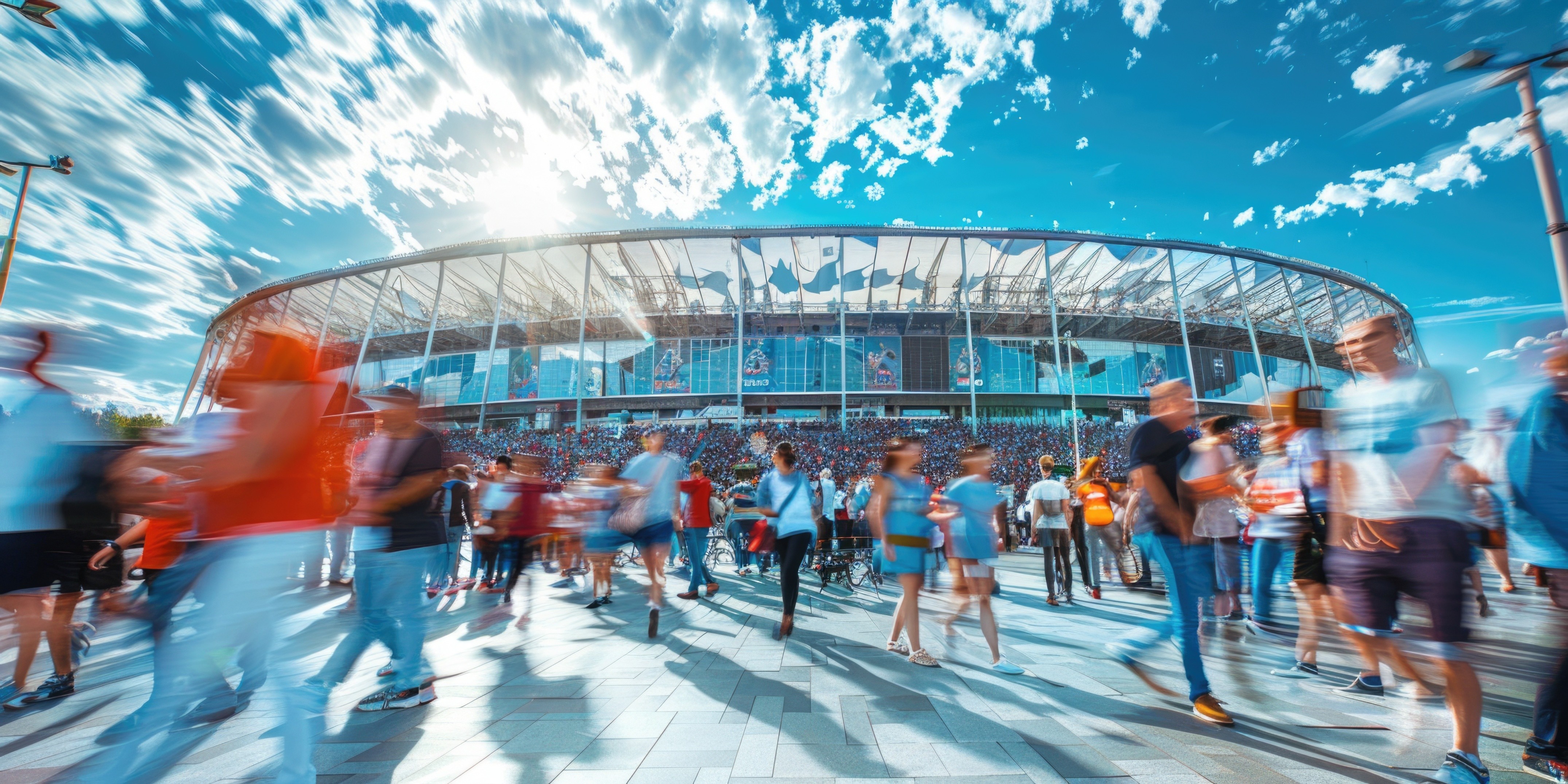
The traditional view of the industry conference is that it is a trade event. People gather to learn about the latest developments in their field. Vendors set up booths. Speakers give talks. Attendees collect business cards and return home. That view has been outdated for years. The modern industry conference is a cultural fixture, a brand-activation environment, a hospitality economy, and a recurring moment that gathers hundreds of thousands of professionals in a single city for a week of programming that shapes industries, markets, and cultural conversations far beyond the room itself. According to the Consumer Technology Association's independently audited figures, CES 2026 drew 148,392 attendees from 141 countries, a 4 percent year-over-year increase and the largest post-pandemic edition. RSAC 2025 drew nearly 44,000 attendees, with 730 speakers and 650 exhibitors.
The conferences that anchor the global calendar
Six conferences anchor the global cultural and industry calendar. Davos opens the year in mid-January, when the World Economic Forum gathers heads of state, CEOs, and global thought leaders for a week that frames much of the year's political and economic conversation. CES runs in early January in Las Vegas, where the consumer technology industry releases the year's product roadmap. RSAC, in late April in San Francisco, brings the global cybersecurity industry together. SXSW in mid-March in Austin combines technology, film, music, and culture. Cannes Lions, in mid-June on the French Riviera, gathers the global advertising, creative, and creator economy. Black Hat in early August in Las Vegas is the technical anchor of the cybersecurity calendar.
Each of these conferences has its own discipline-specific audience and internal economics. What they share is the way the cultural calendar around them has evolved. The actual programming inside the conference halls represents perhaps half of what each event has become. The other half is the activation calendar, the hospitality programming, the customer dinners, the brand house takeovers, the celebrity attendance, and the broader cultural footprint each event leaves on its host city. The combined audience that travels to these conferences is among the most affluent, professionally influential, and brand-engaged anywhere.
The brand activation maturation
Brands that historically activated at the Super Bowl, the Met Gala, or fashion week have, over the last five years, built parallel activation programs around the major industry conferences. Apple, Google, Microsoft, Meta, and Amazon each operate sophisticated brand presences across CES, Cannes Lions, and SXSW. Spirit brands, including LVMH, Diageo, and Pernod Ricard, host major hospitality programs. Automotive brands have built showcase activations across CES and SXSW. The economics of activation favor brands that build sustained relationships over multiple years rather than those that
activate once and disappear. The activations that have worked best, from Salesforce at Dreamforce to LinkedIn at Cannes Lions to Google at CES, have committed to a multi-year presence and treated the conferences as ongoing platforms.
The hospitality economy
CES alone moves Las Vegas hotel inventory at a scale the city builds around. The Wynn, the Bellagio, the Aria, and the Cosmopolitan operate at full capacity. Restaurants from Joël Robuchon to Carbone to Catch run at full capacity. Private dining rooms across the city are reserved months in advance for vendor-hosted dinners, customer events, and analyst briefings. San Francisco during RSAC, Austin during SXSW, Cannes during Cannes Lions, and Davos during the World Economic Forum all see their hospitality economies reorganize around the event. For the host cities, the conferences represent a meaningful share of annual tourism revenue and a much larger share of the high-yield business travel category that drives premium hotel and restaurant demand.
Why does the audience keep showing up
The reasons audiences travel to conferences have continued to grow despite the rise of remote work. They come down to what conferences offer that screens cannot. The first is access. The senior executives, the thought leaders, the founders, the journalists, the investors, and the cultural figures who anchor each industry are physically in the room for the week. The second is serendipity. The conversations in the hallway, the introductions over dinner, the deals discussed on rooftop terraces, all happen because the audience is concentrated in one place at one time. The third is identity. The CISO who skips RSAC, the entertainment executive who skips Sundance, the advertising creative who skips Cannes Lions, all signal something about their relationship to their craft. The conference has become an identity marker as much as an information-gathering activity.