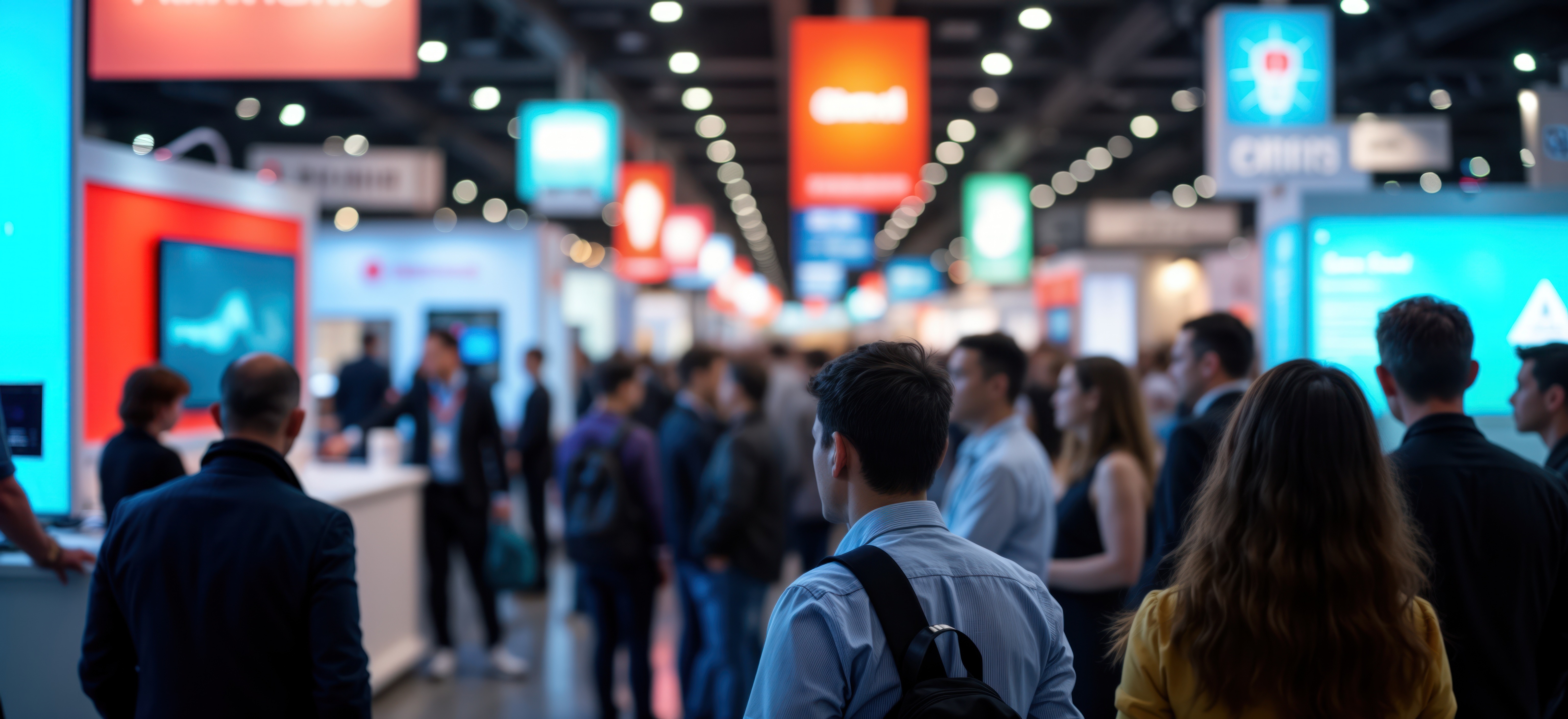
In January, Lenovo's CEO walked onto a stage inside The Sphere in Las Vegas in front of more than 10,000 people. Behind him: NVIDIA, Intel, AMD, Qualcomm, FIFA, Sphere Entertainment. Closing the night: Gwen Stefani, performing inside the most advanced immersive venue on the planet.
The official CES show floor was a few miles away. It is still the world's largest tech event. But the moment everyone talked about, the moment that defined the week, happened off the main floor, inside a room a brand chose to build.
That is the story of where culture is moving. And it is happening everywhere.
I have spent fifteen years marketing across luxury automotive, fine art, cloud computing, cybersecurity, and site reliability engineering. Different industries, different audiences, completely different rooms. One constant. No matter how technical the category or how niche the buyer, people show up because they want to be around other people who care about the same things they do. That instinct has never gone away. Right now, it is the most powerful force in consumer behavior.
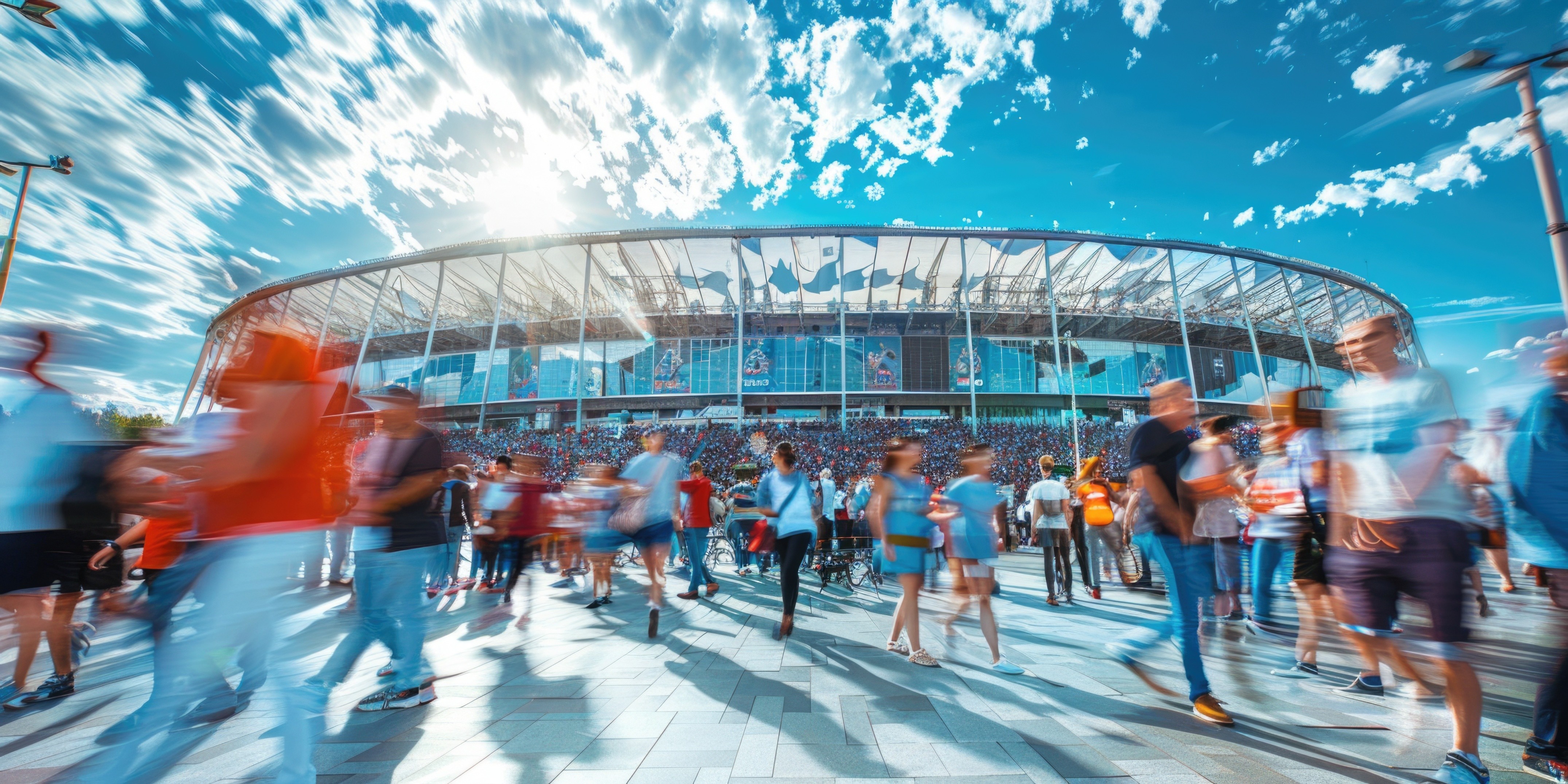
The numbers are not subtle. The top 100 worldwide touring artists grossed $8.9 billion in 2025, still 60.8% above the last full pre-pandemic year. Live Nation cleared $25 billion in total revenue and is already pacing toward another record in 2026, with over 85% of large-venue shows already booked. The US music festival market alone generated $3.4 billion last year, drawing more than 32 million Americans through the gates.
Brands are following the money. Global experiential marketing spend hit $128.35 billion in 2024, surpassing pre-pandemic levels for the first time. Seventy-four percent of Fortune 1000 marketers are increasing experiential budgets this year. Eighty-five percent of consumers report stronger brand affinity after a live event. The smartest CMOs in the world are quietly rebuilding their plans around live.
This is not a rebound. It is a reordering.
Human experience is becoming the new luxury
The pandemic did not just pause concerts. It interrupted weddings, funerals, birthdays, dinner parties, conferences, sporting events, gallery openings, and every small, unscripted moment of contact in between. Life moved through a screen for two years. And when the screen finally became optional, the appetite for the alternative came back stronger than anyone predicted.
People do not want more things. They want to be somewhere, with someone, doing something real. Across both millennials and Gen Z, experiences now outrank physical goods as the preferred use of disposable income.
Every major event now anchors an ecosystem
Here is what almost no one outside the industry sees clearly yet. The world's biggest events are no longer just the official program. Each one anchors an entire constellation of activations, dinners, performances, lounges, and pitch nights that piggyback off the main moment. The race, the conference or the fair is the gravitational pull. The week is what people actually come for.
CES 2026 was The Sphere. Art Basel is the LVMH dinners, the brand-curated villa takeovers, the gallery after-parties that define the calendar long after the fair doors close. Davos is the official Congress Center and the FQ Lounge by The Female Quotient, a destination of its own, drawing on a global community of more than 7 million women across 100 countries. Coachella is a festival and a hundred brand houses in the desert. SXSW is the panels and the thousand activations that have nothing to do with the panels.
The Super Bowl is the clearest proof of all. The game itself is a single Sunday. The ecosystem around it now runs three to four weeks. Diageo activated across six brands and dozens of pop-ups. The NFL extended the Pro Bowl window to give creators more dates to land deals. Michael Rubin’s Fanatics Super Bowl Party, with a guest list that included Jay-Z, Tom Brady, Kendall Jenner, and Cardi B, drew more press coverage than most of the broadcast spots. Marketers no longer treat the Big Game as a thirty-second buy. They treat it as an ecosystem. The brands that win are the ones that show up everywhere across the week.
The main event is the reason people come. It's the ecosystem around it that they remember.
The map does not exist
Now look at how anyone actually finds these moments. Instagram stories. TikTok posts. Discord servers. Group chats. Email lists. Private RSVP forms. A friend who knows a friend. Some brands announce on LinkedIn. Some only through word of mouth. Forty events deep into a single week, scattered across a dozen channels, with no central hub.
The result: most people find out after the fact. A LinkedIn recap on Monday. An Instagram story from Saturday night. A TikTok of the moment everyone is still talking about and surfacing in your feed three days after it ended.
Social platforms are recap engines. They show you what was popular, which means they show you what already happened. By the time you see it, you have missed it.
The events are happening. The audiences are showing up. The brands are spending. What is missing is the map.
Why I built The Frynge
I kept noticing the same gap from every angle, and as a marketer, I was building activations. As an attendee, I am trying to find them. As an operator, I watch small businesses get locked out of the moments unfolding in their own cities. After fifteen years, I could not stop thinking about it.
The Frynge is the hub. One place to discover and navigate the activations, dinners, performances, and gatherings happening around every major event in the world. One platform where attendees find the experiences they are craving, brands reach audiences ready to walk through the door, and local operators gain the visibility to partner with the giants rather than watch them from across town.
Discovery for the audience. Access for the brands. Opportunity for the cities. The infrastructure the Renaissance has been waiting for.
A prediction
Within five years, live will lead brand strategy. Social and digital will become the documentation, not the driver. The activation in the room will be the campaign. The content captured around it will be the distribution.
We are moving from advertising economies to participation economies.
The brands that build live-first will own the next decade of cultural relevance. The audience is already moving. The brands are already building. The activations are already happening.
Human experience is becoming the new luxury. The Frynge is the map.
• • •
ABOUT THE AUTHOR
Rebecca Auguste is the Founder and CEO of The Frynge, the community and discovery platform connecting a new generation to experiential brand moments at the world's biggest events. She is also the founder of Auguste HQ, a marketing and events agency, and serves on the Advisory Board of Webber International University's AI-Driven Engagement Program. She is based in West Palm Beach, Florida.