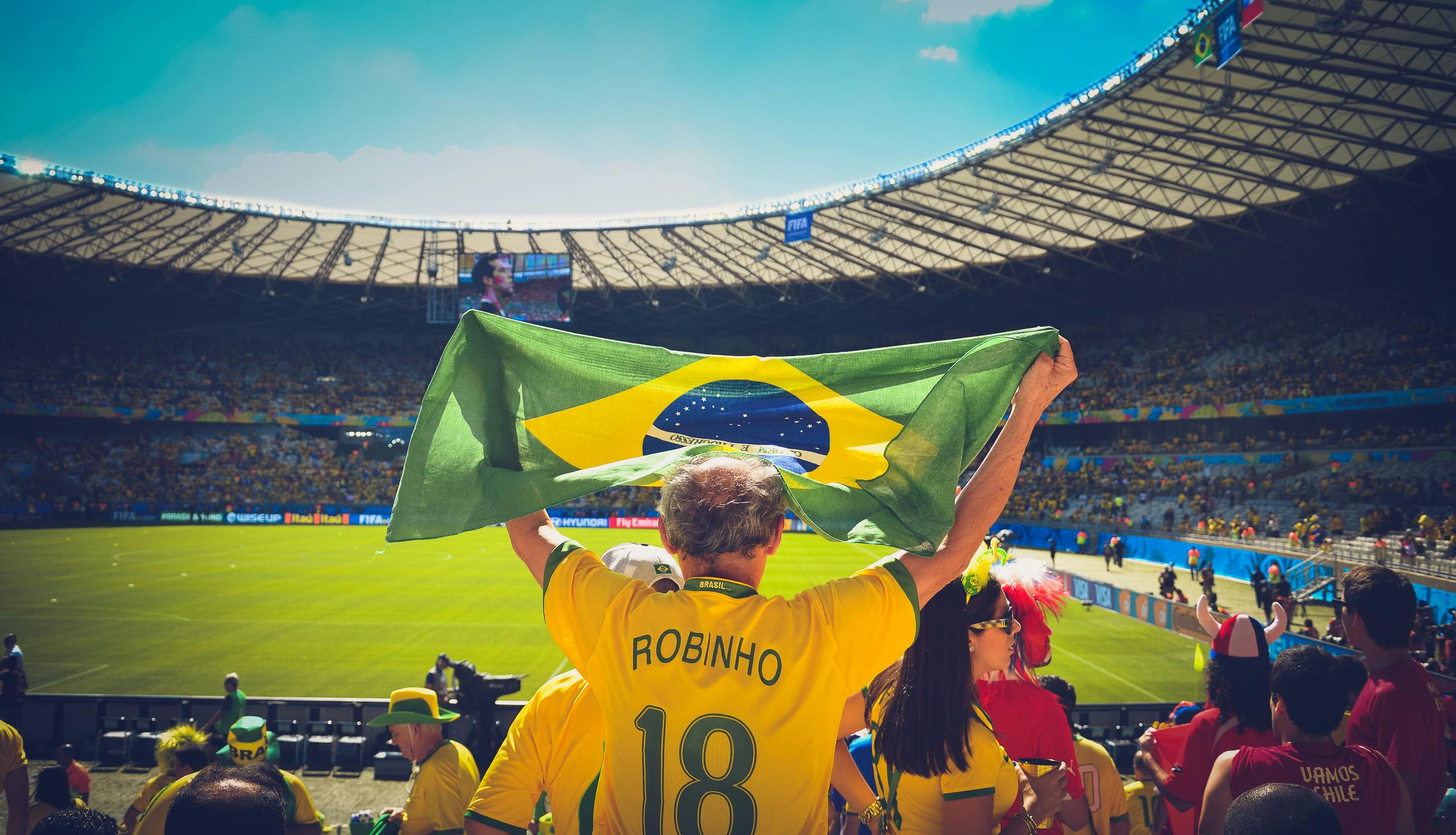
On the afternoon of June 11, 2026, the opening match of the FIFA World Cup will kick off at Estadio Azteca in Mexico City, with co-host Mexico facing South Africa. By the time the final is played at MetLife Stadium in East Rutherford, New Jersey, on July 19, the tournament will have crossed three countries, filled sixteen cities, and played 104 matches over thirty-nine days. According to FIFA, the 2026 tournament is the first to be co-hosted by three nations, the first to feature 48 teams, and the first to include a knockout round of 32.
The geography of the tournament
Eleven United States cities will host 78 matches, including every match from the quarterfinal stage onward. Mexico hosts thirteen, including the opening fixture. Canada hosts thirteen, split between Toronto and Vancouver. The U.S. host cities are Atlanta, Boston, Dallas, Houston, Kansas City, Los Angeles, Miami Gardens, New York and New Jersey, Philadelphia, San Francisco Bay Area, and Seattle. The schedule runs 39 days, roughly seven longer than past tournaments because of the expanded field.
For each host city, the tournament is the largest single international event of the decade. Hotel inventory is locked up more than a year in advance. Restaurants in Miami Gardens, Inglewood, Foxborough, Arlington, and East Rutherford have been hiring and training for months. Airbnb listings within driving range of the venues have been priced at multiples of their seasonal averages. Airport capacity has been a planning question since 2024.
The brand activation calendar
The official sponsor roster includes Adidas, Coca-Cola, Visa, Hyundai, McDonald's, Budweiser, and a long list of regional partners. The official match ball, the Trionda, was built by Adidas with embedded Connected Ball Technology that relays real-time motion data to VAR and AI-assisted officiating. The ball's four-panel construction is the fewest of any World Cup ball ever produced. In a Super Bowl-style first for the tournament, FIFA has confirmed Madonna, Shakira, and BTS as the headliners of the inaugural World Cup Final halftime show, curated by Coldplay's Chris Martin in partnership with Global Citizen. Opening ceremony performers include Katy Perry, who will headline the Los Angeles ceremony ahead of the U.S. men's national team's first match. Fan zones, branded hospitality villages, sponsor lounges at the stadium campuses, and pop-up retail will be present in every host city.
The Super Bowl playbook does not translate directly to the World Cup. The tournament is dozens of moments across dozens of cities, with the audience traveling and the broadcast carried across more
language markets than any other sporting event. Brands that have built activations around the Champions League, the Euros, or the past three World Cups will be the most prepared. American brands built around the Super Bowl model will need to think differently.
Miami's tournament
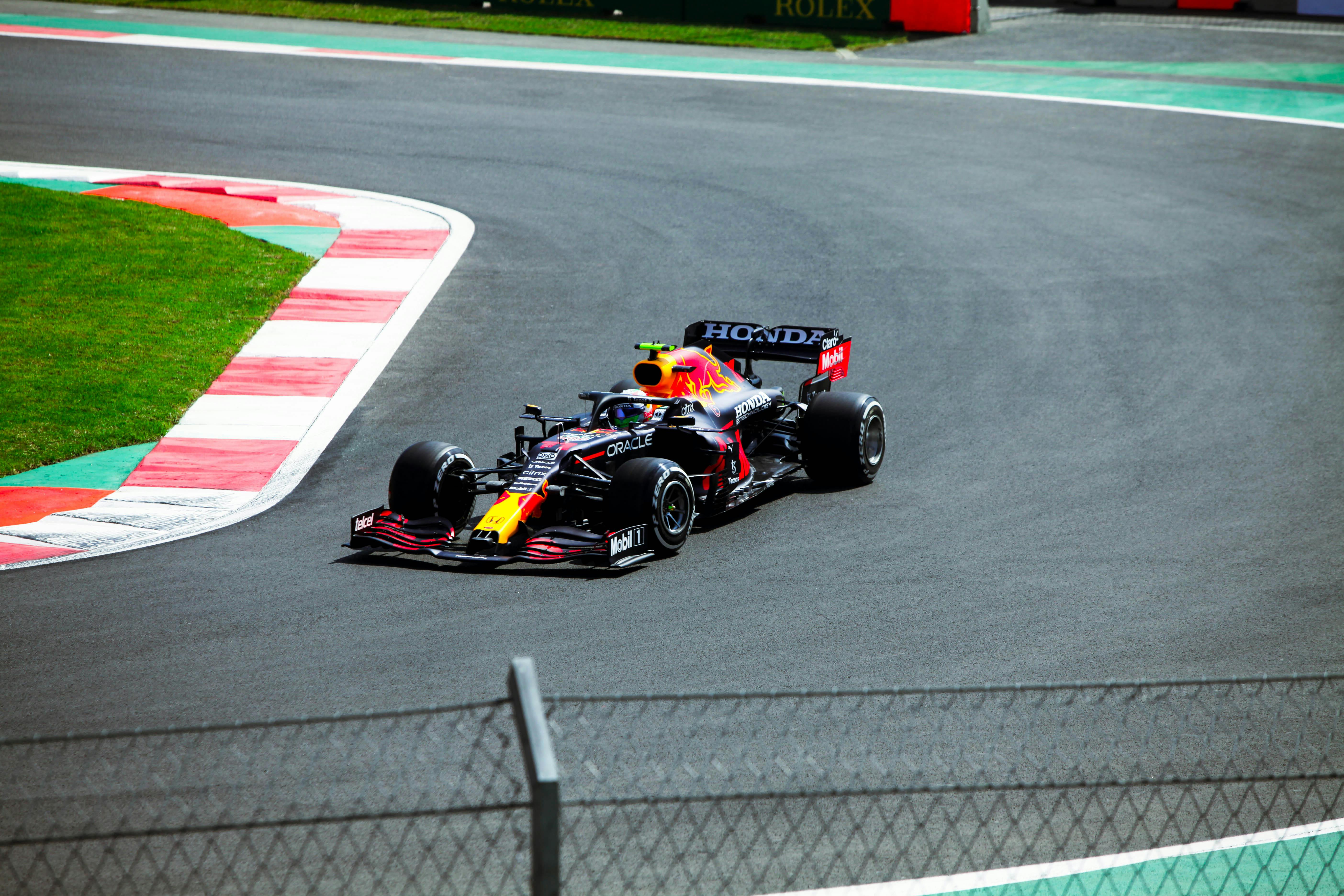
Miami Gardens, already a fixture on the global sports calendar through the F1 Miami Grand Prix and the Miami Open, will host seven matches between June 15 and July 11. Hard Rock Stadium will be the venue. The influx of visitors to South Florida during the matches arrives on top of the existing summer cultural calendar. The combined economic impact across the seven Miami matches will be substantial, with spikes in hotel occupancy that local hospitality operators began planning for in 2024. Travelers from South America, Europe, and the Caribbean will all converge on the city at once.
The audience that travels
The 48-team format means 16 additional national federations have qualified for the first time relative to the 32-team era, and each brings a traveling fan base. The audience that historically has built around World Cup matches is not just host-country fans. It is the global diaspora of supporters from every qualifying country who travel to matches that their national teams play. The North American hosting opens the 2026 tournament to a level of fan travel from the Americas, the Caribbean, and Europe that previous tournaments in Qatar, Russia, and Brazil could not fully accommodate.
The hospitality strategy across the host cities reflects this. Restaurants from Buenos Aires-style parrillas to West African Senegalese kitchens to Japanese izakayas across Atlanta, Houston, Miami, and the New York-New Jersey corridor will see fan bases from their corresponding national teams treat their venues as gathering spots. The cultural overlay around the matches will look less like the Super Bowl and more like a six-week, sixteen-city festival of national identities in motion.
What the tournament leaves behind
For the host cities, the legacy will be measured in infrastructure investment, stadium upgrades, and the long-tail tourism that follows a major international event for years. The 2026 tournament also coincides with the United States 250th anniversary, layering an additional national cultural moment onto the summer. For FIFA, the tournament is the commercial peak of the four-year cycle and a stage to set up the 2027 Women's World Cup, the 2030 centenary tournament across Spain, Portugal, Morocco, Argentina, Uruguay, and Paraguay, and the 2034 tournament in Saudi Arabia.
For the brands, the cities, and the audience, the 2026 World Cup is the largest single concentrated moment any of them will operate inside this decade. The Super Bowl is in one stadium. The Olympics are in one city. This is sixteen cities, three countries, and the global diaspora of nearly fifty national fan bases on the move at once. The brands that have built infrastructure for it will spend years compounding their earnings from this summer. The ones that show up without a plan will spend the same years explaining why they did not.