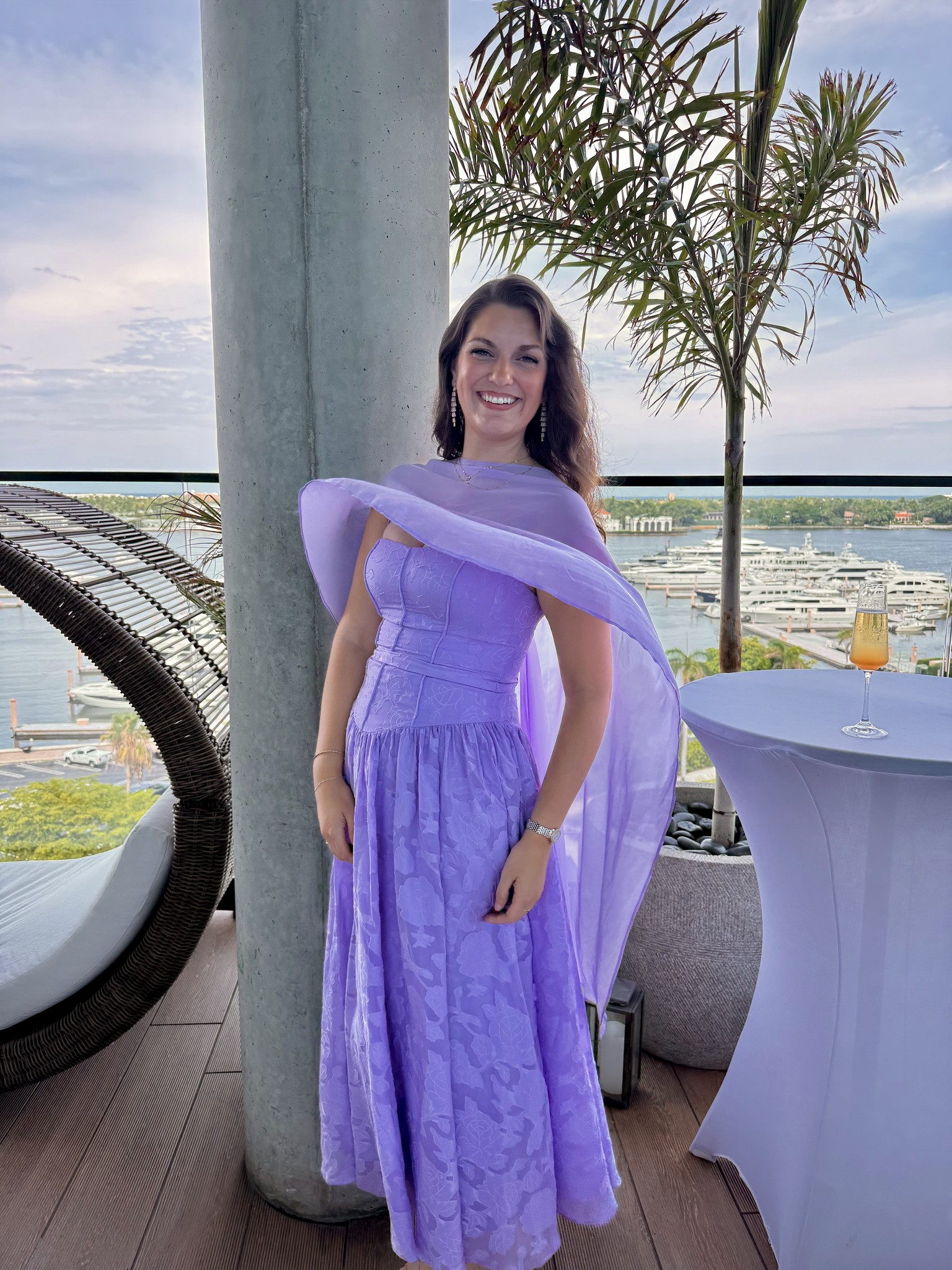
On the first Monday in May 2024, Tyla arrived at her first Met Gala in a Balmain gown made of sand. Olivier Rousteing had sculpted it from a cast of her body, and it fitted so closely that she could not climb the museum steps. She was lifted up them instead. The exhibition inside was the reason for the evening. The moment on the steps became the story.
That is how internet culture is now made. It is not invented in the feed. It is produced at a fixed place on a fixed date, and the feed spends the following weeks working through it.
The Calendar Is the Schedule
For most of a decade, the relationship ran one way: events generated content and platforms amplified it. Today the platforms wait for the calendar. CES and Davos open the year in January. SXSW follows in March, Coachella in April, the Miami Grand Prix and the Met Gala in May, Cannes Lions in June. Wimbledon and the US Open carry the summer, Paris Fashion Week the fall, and Art Basel Miami Beach closes the year in December.
Each fixture arrives with brands and creators already on the ground, their plans built around it. By the time one moment fades, the next is feeding the cycle. There is no off-week.
The scale is measurable. Coachella generated an estimated $908 million in media impact value in 2025, a figure the California governor's office now cites alongside the festival's economic contribution. This summer's World Cup produced 1.2 trillion views of related content on TikTok, the largest content moment in the platform's history, and became the most-viewed World Cup on YouTube. For five weeks, one tournament programmed the global feed.
The Moment Is Rarely on the Program
Look at where the defining images come from and a pattern appears. They tend to happen at the edge of the event, not at its center.
The NBA tunnel walk is the clearest case. It lasts about 15 seconds and has nothing to do with the game. Yet @LeagueFits, an Instagram account started in 2018 to document what players wear on the way in, now has more than a million followers. When Kyle Kuzma posted a tunnel photograph in a Rick Owens puffer, the jacket sold out at SSENSE within days. Luxury labels now treat a corridor beneath an arena as a runway.
The same logic holds elsewhere. It is the steps and not the exhibition, the paddock and not the race, the dinner and not the fair. The official program supplies the date and the place. What the internet keeps usually happens just outside it.
What This Changes for Brands
Brands that want to stay in the cultural conversation no longer need to invent moments. They need to be present where moments already happen. The question is not whether to show up at a calendar event. It is which event, and where within it.
The official positions are finite and expensive, and the biggest fixtures are formalizing access through credentials, content rights and partnership programs. The edges remain more open, but only to those who know where they are. The gap between brands whose work keeps surfacing and brands whose work disappears is rarely creative quality. It is calendar fluency.
Being There
None of this turns the event into a film set. Content travels because someone was in the room, on the steps or in the tunnel when it happened. The feed is the invitation; the event is where the value is made.
That is the ground the Frynge maps: the part of the calendar that sits outside the official program, for the people and brands who intend to show up. Knowing the dates is easy. Knowing where to stand is the work.